 EN
EN

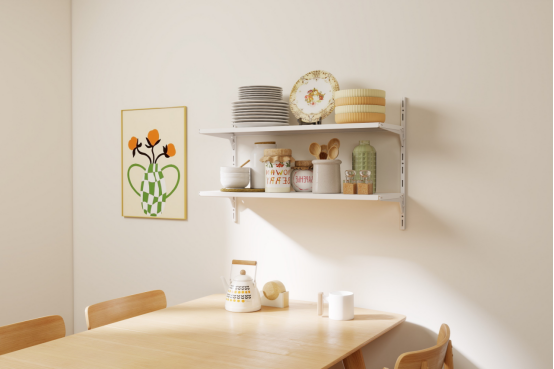
Gorizontal uchun to'g'ri material tanlash devor javonlaringiz bu har qanday saqlash yoki namoyish loyihasida eng muhim qarorlardan biridir. Siz turar-joy yoki tijorat do'koni muhitini jihozlayotgan bo'lsangiz ham, sanoat korxonasi ish joyini jihozlayotgan bo'lsangiz ham, tanlagan material shu polkalar qanchalik uzoq vaqt xizmat qilishini, qancha og'irlikni xavfsiz ko'tarishini va kunlik ishlatish, namlik hamda mexanik kuchlanishga qanchalik chidamli ekanligini bevosita belgilaydi. Barcha materiallar bu sharoitlarda bir xil samaradorlikka ega emas, shuning uchun har bir variantning afzalliklari va cheklovlari haqida tushunchaga ega bo'lib, istalgan o'rnatishga qaror qilishdan oldin ularni tahlil qilish juda muhim.
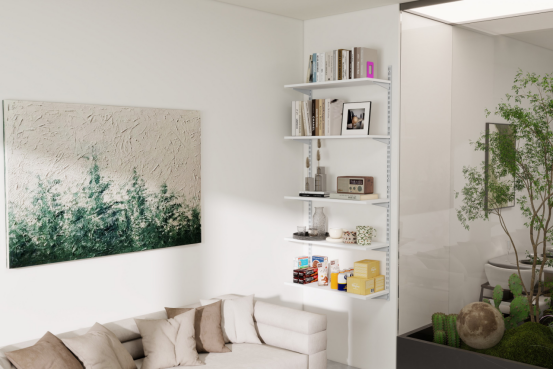
Bozor turli xil materiallarni taklif etadi: devor javonlaringiz muhandislik qilinmish yogʻoch va butun yogʻochdan tortib, shisha, alyuminiy va poʻlatgacha. Har biri oʻziga xos mexanik, estetik va amaliy xususiyatlarga ega. Ushbu maqola doimiy devorli polkalar uchun haqiqatan ham eng yaxshi mos keladigan materiallarni aniqlashga yordam beradi — bu struktural jihatdan ishlash, muhitga chidamlilik, oʻrnatishning osonligi va uzoq muddatli qiymat asosida amalga oshiriladi. Maqolani tugatganda, siz oʻzining aniq foydalanish holatingiz uchun toʻgʻri materialni tanlash boʻyicha aniq tizimga ega boʻlasiz.
Devorli polkalar uchun durabilitet nima ekanligini tushunish
Struktural yuk sigʻimi birinchi meʼyori sifatida
Devorli polkalar kontekstida durabilitet haqida gapirganimizda devor javonlaringiz — suhbat yuk ko'tarish qobiliyati bilan boshlanishi kerak. Agar polka mo'ljallangan og'irlikni egilish, yorilish yoki devordan ajralib chiqishsiz ko'tara olmasa, u qanday ko'rinishda bo'lmasin, doimiy emas. Statik va dinamik yuk ostidagi struktural rigidity — bu har qanday polka materialining uzoq muddatli yaroqliligi uchun asosiy me'yorida o'lchovdir. Bu faqat polkaga qo'yilgan darhol og'irlikni emas, balki oy va yillar davomida foydalanish natijasida yuzaga keladigan yig'ilgan charchash kuchlanishini ham o'z ichiga oladi.
Turli xil materiallar yuklanishga fundamental jihatdan turlicha javob beradi. Qattiq yog‘och va poʻlat uzun muddatli yuklanishda minimal oʻzgarish bilan shaklini saqlaydi, bir paytda baʼzi muhandislik taxtalari va polimerlar asta-sekin deformatsiyaga uchraydi. Ogʻir ish sharoitida — masalan, asbob-uskunalar, kitoblar, oshxona jihozlari yoki savdo mahsulotlarini saqlashda — materialning qattiqlik darajasi va choʻzilishga chidamliligi tanlash meʼyorlari sifatida muhim ahamiyat kasb etadi. Har bir materialning real yuklanish sharoitida mexanik xatti-harakatini tushunish — doimiy ishlashi kafolatlangan devor qoʻyilmasi oʻrnatilishini va tezda buzilib ketadigan oʻrnatilishni ajratib turadi.
Atmosferaviy taʼsirlarga chidamlilik va uzoq muddatli barqarorlik
Doimiylik shuningdek, materialning vaqt oʻtishi bilan atrof-muhit taʼsiriga chidamliligi hamda uning buzilishiga qarshi qobiliyatini oʻz ichiga oladi. Devor javonlaringiz oshxonalarga, hammomlarga, garajlarga yoki omborxonalarga o'rnatilganlar doimiy ravishda namlikka, harorat o'zgarishlariga, changga va kimyoviy bug'ga uchrab turadi. Namlikni so'rib oladigan materiallar shishish, egilish va mikrobiyal o'sishga moyil bo'ladi; barcha bu xususiyatlar bir vaqtda materialning mustahkamlik va estetik ko'rinishini buzadi. Boshqariladigan ichki muhitda yaxshi ishlaydigan material qattiqroq sharoitda tezda ishlamay qolishi mumkin.
Yuzaki qoplamalar ham atrof-muhitga chidamlilikda katta ahamiyatga ega. Namlikka chidamli bo'lish uchun tirnoqsimon yog'ochni germetiklash yoki qoplash kerak, metallarga esa oksidlanishni oldini olish uchun mos qoplamalar kerak. Asosiy materialning xatti-harakati va mavjud yuzaki qoplamalar haqida tushunchaga ega bo'lish xaridorlarga o'rnatish joyining aniq atrof-muhit sharoitlariga mos materialni tanlash imkonini beradi. devor qoʻyilmasi bu moslik jarayoni real mahsulot yashash muddati davomida doimiy mustahkamlikni ta'minlaydigan materiallarni tanlashning asosiy tarkibiy qismidir.
Po'lat: Yuqori mustahkamlikka ega devor polkalari uchun namuna material
Nima uchun po'lat qattiq sharoitlarda ko'pchilik boshqa materiallardan yaxshiroq ishlaydi
Po'lat doimiy ravishda kuch, aniqlik va uzun muddatli foydalanishni talab qiladigan devor javonlaringiz ilovalarda eng yuqori darajadagi materiallardan biri sifatida baholanadi. Uning mexanik xususiyatlari — yuqori cho'zilish chidamliligi, yuk ostida kam egilish va o'lcham barqarorligi — uni og'ir ish sharoitlarida qo'llash uchun ajoyib darajada mos qiladi. Po'lat daraxt yoki kompozit panelarga nisbatan doimiy yuk ostida burilmas, shishmas yoki egilmas, ya'ni bugun o'rnatilgan polka yillar davomida hech qanday qayta sozlash yoki mustahkamlash talab qilmasdan bir xil geometriyani saqlab turadi.
Po'lat devor javonlaringiz ular ayniqsa, yuklar og'ir, muhit qattiq talab qiladigan va texnik xizmat ko'rsatish vaqti cheklangan tijorat, sanoat va foydalanish muhitlarida hukm suradi. Changlatilgan yoki galvanizlangan po'lat korroziyaga samarali qarshilik ko'rsatadi va sirt qoplamasi doimiy tozalash, noxush urilishlar va tozalovchi vositalarga ta'sirga chidamli darajada mustahkamdir. Strukturaviy ishlash va past texnik xizmat ko'rsatish xarajatlari kombinatsiyasini talab qiladigan ilovalar uchun po'lat tanlovning asosiy materialidir. Yaxshi loyihalangan devor javonlaringiz po'latdan yasalgan yechim og'irliklarni osongina ushlab turadi, bu esa yog'och yoki shisha alternativlarini butunlay buzib yuboradi.
Po'lat bilan loyiha moslashuvchanligi va o'rnatishning bir xilligi
Zamonaviy po'lat devor javonlaringiz ular bir nechta birliklar bo'ylab doimiy mos kelish va mustahkam o'rnatishni ta'minlaydigan aniqlikda ishlab chiqariladi. Bu ayniqsa, funksional jihatdan ham, butun bir devor ustidagi vizual bir xillik jihatdan ham muhim bo'lgan tijorat yoki savdo muhitida ahamiyatli. Po'lat qo'llab-quvvatlovchi qismlar va polka panellari o'rnatish vaqtini qisqartirish va ob'ektda xatolarni kamaytirish uchun oldindan deliklangan va oldindan yakunlangan holda ishlab chiqarilishi mumkin. Po'lat komponentlarining aniqlikda ishlab chiqarilishi shuningdek, yuklanish kuchlarining bashorat qilinadigan tarzda taqsimlanishini ta'minlaydi, bu esa polka tizimining umumiy xavfsizlik darajasiga bevosita hissa qo'shadi.
Tuzilma samaradorligidan tashqari, po'lat devor javonlaringiz o'lchamlar jihatidan ajoyib moslashuvchanlikni taklif etadi. Keng doira kenglik va chuqurlikda mavjud bo'lgan po'lat raftlar deyarli har qanday joylashuvga moslashtirilishi mumkin — hammasi bir xil xonadon yoki oshxonada kompakt foydali raftlardan boshlab garaj yoki ishlab chiqarish zavodida keng tarang saqlash yechimlarigacha. Moslashuvchan o'lchamlar, mustahkam yuk ko'tarish qobiliyati va barqaror sifat kombinatsiyasi po'latni uzoq xizmat muddati davomida ishonchli ishlashi kerak bo'lgan har qanday kishiga juda amaliy tanlov qiladi. devor javonlaringiz uzoq xizmat muddati davomida ishonchli ishlashi kerak.
Yog'och va muhandislik qilingan yog'och: Aestetik jozibadorlik bilan muhim shartlar
Yashash binolarida devor raftlari uchun butun yog'och
Butun yog'och devor javonlaringiz asrlar davomida va yashash hamda bezak maqsadlarida hozirda ham mashhur tanlovdir. Unining tabiiy tolali naqshlari, issiqlik beruvchanligi va ishlanish qulayligi unga ko'rinadigan xususiyat hamda funksionallik ahamiyatli bo'lgan yashash xonalari, uy yotoqlari va uy ofislari uchun juda jo'shqin qiladi. Qattiq yog'ochlar — masalan, dub, qo'zog'och va g'rek — qondirilgan yuklarga chidamli bo'lib, deyarli har qanday ichki dizayn uslubiga mos ravishda yakunlanishi mumkin. To'g'ri germetiklangan va doimiy ravishda parvarish qilinganda, butun yog'och shafllar namlik darajasi past bo'lgan ichki muhitda o'nlab yillar davomida xizmat qiladi.
Biroq, butun yog'ochni duragay material sifatida ishlatishda uning o'ziga xos cheklovlari mavjud devor qoʻyilmasi material. U namlikka bog'liq kengayish va torayishga moyil bo'lib, bu devor qo'llab-quvvatlovchi elementlarini asta-sekin loyihalangan holda bo'shatib yuboradi va ko'rinadigan egilish yoki sirt yorilishlariga sabab bo'ladi. Keng namlik o'zgarishlari kuzatiladigan muhitlarda — masalan, qirg'oq mintaqalari, oshxonalarda yoki vannoda — butun daraxtning strukturaviy butunligini saqlash uchun doimiy ravishda yakunlangan ishlov berish va davriy texnik xizmat ko'rsatish talab qilinadi. Nazorat qilinadigan ichki muhitlarda yengil va o'rtacha yuklarga butun daraxt a'lo natijalar beradi, lekin og'ir ish sharoitlari yoki yuqori namlikda foydalanish uchun u eng yaxshi tanlov emas.
Muhandislik qilingan daraxt panelalari va ularning durabilitet kompromisslari
MDF, gipskarton va fanera kabi muhandislik qilingan daraxt mahsulotlari keng qo'llaniladi devor javonlaringiz ularning arzonligi, silliq sirt qoplamasi va o'lchovlar doimiyliklari tufayli. Ayniqsa fanera yengil va o'rtacha yuklarga nisbatan qondirish qobiliyatiga ega bo'lib, namlik ta'sirida qattiq yog'ochga nisbatan o'lchovlar doimiylikka ega. devor qoʻyilmasi tizimlar, bu yerda estetik jihatdan ahamiyat beriladi.
Shunday bo'lsada, muhandislik usulida ishlangan yog'och panelar og'ir yuklar yoki nam muhit uchun mos kelmaydi. Qatlamli plastmassa (particleboard) namlik ta'sirida shishish va chetlarning buzilishiga xos, shuningdek, MDF ham qatlamli plastmassa ham qattiq yog'och yoki metall alternativalar bilan solishtirganda zarba kuchlarini samarali qabul qila olmaydi. Ushbu devor javonlaringiz uzoq muddat davomida katta og'irlikni ko'tarish talab qiladigan tizimlar uchun muhandislik usulida ishlangan yog'och ikkinchi darajali tanlov sifatida qaralishi kerak — ko'rsatishga qaratilgan ilovalar uchun mos, lekin yuqori talablarga ega saqlash vazifalarida ishonchli emas.
Shisha va Alyuminiy: Aniq kuchli tomonlarga ega bo'lgan maxsus ilovalar
Ko'rsatish va bezakdosh sozlamalarda qattiqroq qilingan shisha devorli polkalar
Qattiqroq qilingan shisha — bu devor javonlaringiz do'konlarda ko'rsatish, vanna xonasi aksessuarlarini saqlash va minimalizm ichki dizayn sohalarida ko'rinadigan ta'sir qiluvchi material. Uning shaffofligi ochiqlik hissini yaratadi va ko'rsatilayotgan narsalarning ko'rinib turishini ta'minlaydi. Qattiqroq qilingan shisha oddiy termik qilinmagan shishadan ancha mustahkamroq bo'lib, sindirilganda keskin qirrali parchalar emas, balki yumshoq donachalar hosil qiladi; shu sababli u aholi yashaydigan joylar uchun xavfsizroq variantdir. To'g'ri qo'llab-quvvatlovchi g'ildiraklar bilan shisha devor javonlaringiz o'rtacha yuklarni muammoliksiz ko'tarishi mumkin.
Shishaning durabiliteti cheklovlari unga urilish kuchi yoki ortiqcha yuklanish ta'sir etganda namoyon bo'ladi. Shisha moslashuvchanlikka ega emas; u yoki saqlanadi, yoki sindiriladi — bu jarayonda egilish yoki chig'illash kabi strukturalik ogohlantirish belgilari yo'q. Bu ikkilikli buzilish usuli shishani har qanday devor qoʻyilmasi yuklamalar bashorat qilinmasdan o'zgaradi yoki noxush ta'sir qilish xavfi yuqori bo'lgan ilovalar uchun mo'ljallangan dastur. Shisha eng yaxshi natija beradi nazorat qilinadigan muhitlarda, ya'ni yengil narsalarni namoyish qilishda va uning estetik xususiyatlari asosiy loyihalash maqsadi sifatida, ikkinchi darajali omil sifatida emas.
Yengil vaznli doimiylik uchun aluminiy devor shalfidlari
Aluminiy — korroziyaga chidamli va po'latning og'irligisiz toza, zamonaviy estetikani talab qiladigan ilovalar uchun barcha davrda ham ommaboproq materialdir. devor javonlaringiz uning tabiiy oksid qatlamu rustga qarshi a'lo qarshilik ko'rsatadi, shu sababli aluminiy shalfidlari namlik doimiy muammo bo'lgan oshxona, hammom va tashqi muhitga yaqin joylarga juda mos keladi. Shuningdek, aluminiy po'latga qaraganda ancha yengil bo'lib, o'rnatishni soddalashtiradi va devor qo'llab-quvvatlovchi elementlariga keltiriladigan yukni kamaytiradi; bu devor asosining mustahkamligi cheklovchi omil bo'lgan vaziyatlarda amaliy afzallikdir.
Aluminiy bilan bog'liq asosiy savdo-ahvol yuk ko'tarish quvvati bilan bog'liq. Aluminiy bir xil qalinlikdagi po'latga nisbatan kamroq qattiq bo'ladi va og'ir yuklar ostida ancha ko'proq egiladi. Shu sababli, devor javonlaringiz shaxsiy gigiyena vositalari, ziravorlar idishlari, kichik elektronika yoki bezak buyumlari kabi yengil va o'rta og'irlikdagi narsalarni tashish uchun aluminiy doimiylik, korroziyaga chidamlilik va estetik jihatdan jozibadorlikni birlashtirgan a'lo tanlovdir. Biroq, og'ir ish sharoitida foydalanish uchun saqlash ehtiyojlarida po'lat hali ham yuqori darajadagi tanlovdir va aluminiy to'g'ridan-to'g'ri almashtirish uchun mos kelmaydi.
Materialni qo'llanilish sohasiga moslashtirish: Qaror qabul qilish doirası
Yuk, muhit va estetikani birgalikda baholash
Doimiylik uchun to'g'ri materialni tanlash devor javonlaringiz uchta o'zaro bog'liq o'zgaruvchini bir vaqtda baholashni talab qiladi: kutilayotgan yuk, o'rnatish muhiti va xohlanayotgan estetik natija. Hech qanday bitta material ushbu uch o'lchov bo'yicha bir xil darajada a'lo natija ko'rsatmaydi, shu sababli berilgan loyiha uchun eng yaxshi tanlov shu ma'lum kontekstda qaysi omillar eng muhim ahamiyatga ega ekanligiga bog'liq. Garajdagi saqlash polkasi, vannoxonadagi namoyish polkasi yoki savdo do'konidagi mahsulotlar uchun moslamalarning talablari butunlay boshqacha bo'ladi va material tanlovi shu farqlarga aniq mos kelishi kerak.
Yukli ishlash sharoitida qo'llaniladigan og'ir yukli ilovalar uchun po'lat devor javonlaringiz kuch, atrof-muhitga chidamlilik va o'lchovlar doimiyliklari jihatidan eng ishonchli kombinatsiyani taklif etadi. Boshqariladigan uy sharoitlarida dekorativ namoyish uchun qattiq yog'och yoki shisha estetik jihatdan yuqori qiymatga ega bo'lishi mumkin va funksional talablarga yetarli darajada javob beradi. Namlikka moyil joylarda, og'irlik o'rtacha bo'lganda, alyuminiy qo'l keladigan muvozanatni ta'minlaydi. Asosiysi — ma'lum bir qo'llanishning struktural va atrof-muhit talablarini hisobga olmasdan, faqat ko'rinish yoki narx asosida material tanlashga urinishdan saqlanishdir.
Material tanlashda uzun muddatli qiymat va dastlabki xarajatlar
Xaridorlar tomonidan material tanlanayotganda qilinadigan eng keng tarqalgan xatoliklardan biri devor javonlaringiz dastlabki xarajatlarga optimallashtirish, balki umumiy egallash xarajatlariga emas. Ikki yildan keyin buriladigan arzon muhandislik yog'ochi polka — o'nlab yillar davom etadigan xizmat muddatiga ega bo'lgan po'lat polkaga qaraganda haqiqiy xarajatlari yuqori bo'ladi. Har qanday qiymatni hisoblashda devor qoʻyilmasi material, xaridorlar o'rnatish xarajatlari, texnik xizmat ko'rsatish talablari, kutilayotgan foydalanish muddati va erta almashtirishning amaliy buzilish xarajatlarini hisobga olishi kerak.
Po'lat va alyuminiy devor javonlaringiz sifatli yuzaki qoplamalari bilan odatda oddiy tozalashdan tashqari minimal texnik xizmat ko'rsatishni talab qiladi. Daraxt polkalar muhitga qarab davriy qayta ishlash yoki qayta ishlashni talab qilishi mumkin. Shisha ehtiyotkorlik bilan boshqarilishi kerak va zarar ko'rganda almashtirish xarajatlari yuqori bo'lishi mumkin. Material tanlovi uchun birlik narxi emas, balki umumiy egallash xarajatlari nuqtai nazaridan qarash doimiy ravishda yaxshiroq natijalarga olib keladi, ayniqsa, ko'p yillik muddatlarda ishonchli ishlashi va kutilmagan buzilishlarsiz ishlashi kerak bo'lgan tijorat va sanoat xaridorlari uchun. devor qoʻyilmasi tizimlari.
Tez-tez so'raladigan savollar
Garaj yoki zavodda devor polkalari uchun eng durust material qaysi?
Po'lat — eng durust material devor javonlaringiz garaj yoki zavodda ishlatish uchun. U yuqori yuk ko'tarish qobiliyatiga, mexanik ta'sirlarga chidamlilikka va shu muhitda odatda kuzatiladigan harorat va namlik tebranishlari ostida o'lcham barqarorligiga ega. Changi bilan qoplangan yoki galvanizlangan po'lat raftlar shu sharoitda yog'och yoki muhandislik qilinmish taxtalar bilan solishtirganda ancha uzoq muddat struktural qobiliyatini saqlaydi.
Yog'och devor raftlari vannoxona yoki oshxonalarga mos keladimi?
Tegiz daraxt devor javonlaringiz yog'och devor raftlari oshxona va vannoxonalarda foydalanish mumkin, lekin ular namlik ta'siriga chidamli bo'lishi uchun chuqur sig'illatilishi va doimiy parvarish qilinishi kerak. MDF yoki changli taxtalar kabi muhandislik qilinmish yog'och mahsulotlari namlikka nisbatan juda sezgir bo'lgani uchun bu muhitlarga umuman tavsiya etilmaydi. Namlikga moyil joylarda aluminium yoki po'lat alternativlari uzun muddatli ishlash jihatidan yaxshiroq natija beradi.
Odatdagi devor raftlari qancha og'irlikni ko'taradi?
Ves hajmi devor javonlaringiz bu ham materialga, ham o'rnatish tizimiga bog'liq. To'g'ri qo'llab-quvvatlovchi tizim bilan jihozlangan po'lat raftlar odatda span va qo'llab-quvvatlovchi konfiguratsiyasiga qarab har bir raft uchun 50 kg dan 100 kg gacha (yoki undan ham ko'proq) og'irlikni ushlash qobiliyatiga ega. Shisha va alyuminiy raftlar odatda yengilroq yuklarni — 10–30 kg oralig'ida — ushlash uchun mo'ljallangan. Har doim ishlab chiqaruvchining yuk ko'tarish reytingini tekshiring va devor asosining raft va uning yukini birligida ushlashi mumkinligini ta'minlang.
Alyuminiy devor raftlari uchun po'latga yaxshi alternativmi?
Alyuminiy — korroziyaga chidamlilik va yengil vazn muhim ahamiyat kasb etadigan va yuk talablari o'rtacha darajada bo'lganda po'latga yaxshi alternativdir. devor javonlaringiz u ayniqsa namlik doimiy muammo bo'lgan hammomlar, oshxonalarda va sohil atrofidagi muhitlarda yaxshi ishlaydi. Biroq, og'ir yukli saqlash dasturlari uchun po'lat hali ham kuchliroq va qattiqroq tanlovdir va yuk talablari katta bo'lganda afzal ko'riladi.
Mundarija
- Devorli polkalar uchun durabilitet nima ekanligini tushunish
- Po'lat: Yuqori mustahkamlikka ega devor polkalari uchun namuna material
- Yog'och va muhandislik qilingan yog'och: Aestetik jozibadorlik bilan muhim shartlar
- Shisha va Alyuminiy: Aniq kuchli tomonlarga ega bo'lgan maxsus ilovalar
- Materialni qo'llanilish sohasiga moslashtirish: Qaror qabul qilish doirası
- Tez-tez so'raladigan savollar