tijdelijke opslagoplossingen
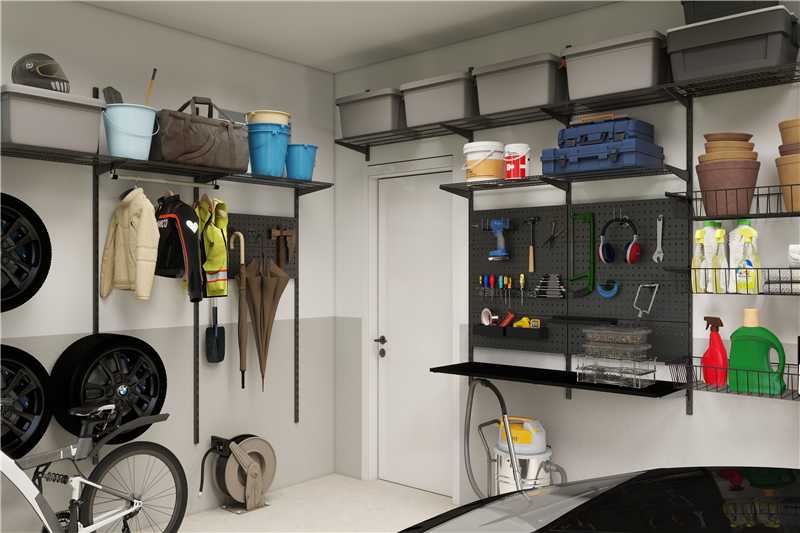
Tijdelijke opslagoplossingen bieden flexibele en efficiënte mogelijkheden voor bedrijven en particulieren die kortetermijnruimte nodig hebben om voorraad, apparatuur, documenten of persoonlijke bezittingen op te slaan. Deze oplossingen omvatten een breed scala aan aanbiedingen, waaronder draagbare opslagcontainers, modulaire magazijnen, klimaatgecontroleerde eenheden en op aanvraag beschikbare opslagfaciliteiten die snel kunnen worden geïmplementeerd om dringende ruimtebehoeften te vervullen. De belangrijkste functies zijn het beveiligen van activa tijdens overgangsperiodes, het beheren van seizoensgebonden voorraadschommelingen, ondersteuning van bouwprojecten, het vergemakkelijken van kantoorverhuizingen en het verstrekken van extra capaciteit tijdens piekperiodes in de bedrijfsvoering. Technologische kenmerken van moderne tijdelijke opslagoplossingen omvatten geavanceerde beveiligingssystemen met bewakingscamera’s, digitale toegangscontrole, integratie met voorraadbeheersoftware, sensoren voor klimaatbewaking en mobiele trackingmogelijkheden. Veel aanbieders bieden schaalbare opties aan waarmee klanten hun opslagcapaciteit kunnen aanpassen op basis van veranderende behoeften, zonder langdurige verbintenissen. Toepassingen strekken zich uit over diverse sectoren, waaronder detailhandel, productie, zorg, onderwijs, evenementenmanagement en particuliere verhuizingen. Bouwbedrijven maken gebruik van tijdelijke opslagoplossingen om materialen en gereedschap veilig ter plaatse te bewaren, terwijl retailers op deze oplossingen vertrouwen tijdens seizoenspieken of winkelrenovaties. De veelzijdigheid van deze oplossingen maakt ze ideaal voor rampenherstel, bedrijfsexpansie, inkrimping van activiteiten en elke situatie waarin onmiddellijk extra ruimte nodig is, zonder de kapitaalinvestering die gepaard gaat met permanente infrastructuur.
 EN
EN