 EN
EN

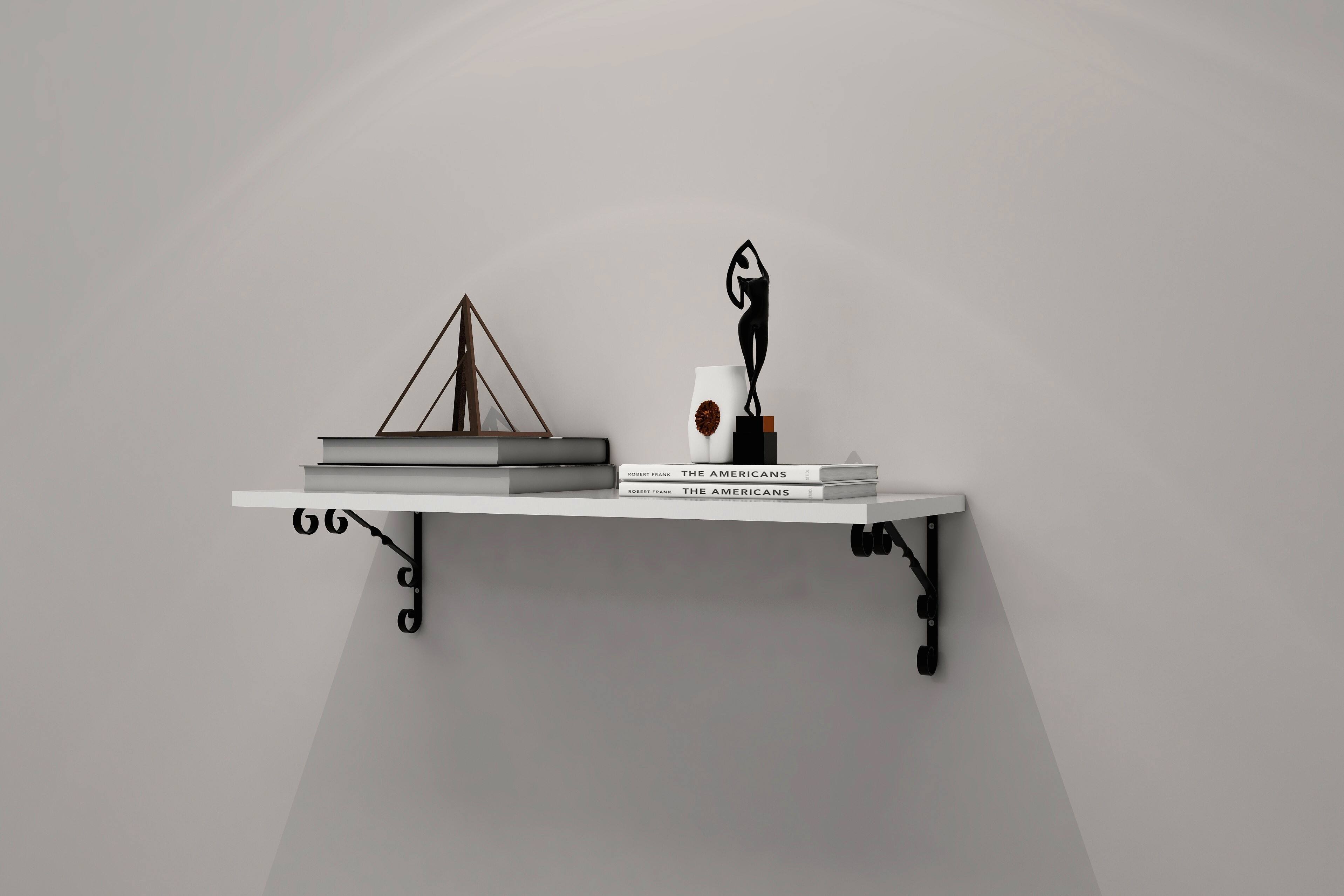
Small wall spaces present unique challenges for homeowners and interior designers seeking to maximize both storage and aesthetic appeal. When traditional bulky shelving units consume precious square footage, MDF floating shelves emerge as the perfect solution that addresses spatial constraints without compromising on style or functionality. These versatile storage solutions transform previously unusable wall areas into organized, visually appealing display spaces.
The beauty of MDF floating shelves lies in their ability to create an illusion of expanded space while providing essential storage functionality. Unlike conventional shelving systems that require visible brackets and supports, these streamlined solutions maintain clean lines that complement modern interior design principles. The seamless integration of form and function makes MDF floating shelves particularly valuable in compact living environments where every inch matters.
Understanding the Small Wall Space Challenge
Common Spatial Constraints in Modern Homes
Contemporary residential design often prioritizes open floor plans and minimalist aesthetics, resulting in smaller dedicated wall spaces for storage solutions. Narrow hallways, compact bedrooms, and efficient kitchen designs create scenarios where traditional shelving simply cannot fit without overwhelming the available space. MDF floating shelves address these constraints by utilizing vertical wall space without extending significantly into the room.
The challenge becomes more pronounced in rental properties where permanent modifications are restricted, making floating shelf systems particularly attractive. These installations typically require minimal wall penetration while delivering maximum storage capacity. The visual lightness of properly installed MDF floating shelves prevents the cramped feeling that bulkier alternatives often create in confined spaces.
Visual Impact of Traditional vs Floating Solutions
Traditional bracket-supported shelving creates visual interruptions that can make small spaces feel even more constrained. The visible hardware and support structures fragment wall surfaces, drawing attention to the mechanical aspects rather than the displayed items. MDF floating shelves eliminate these visual distractions by concealing mounting systems within the shelf structure itself.
The psychological impact of floating shelves extends beyond mere aesthetics, creating an perception of larger space through reduced visual clutter. This effect proves particularly valuable in small rooms where maintaining sight lines and preserving wall continuity significantly influences the overall spatial experience. The clean, uninterrupted appearance of MDF floating shelves contributes to a more organized and spacious feeling environment.
MDF Material Advantages for Floating Applications
Structural Properties and Weight Distribution
Medium-density fiberboard offers exceptional dimensional stability that proves crucial for floating shelf applications. The engineered composition of MDF provides consistent density throughout the material, eliminating the weak points and grain irregularities found in natural wood products. This uniformity ensures that MDF floating shelves maintain their shape and structural integrity under load without sagging or warping over time.
The weight-to-strength ratio of MDF makes it ideally suited for wall-mounted applications where the mounting system must support both the shelf weight and displayed items. Unlike solid wood alternatives that can be significantly heavier, MDF floating shelves reduce the overall load on wall anchoring systems while maintaining adequate load-bearing capacity for typical residential storage needs.
Surface Finishing and Customization Options
The smooth, non-porous surface of MDF accepts paint, laminate, and veneer finishes exceptionally well, allowing MDF floating shelves to seamlessly integrate with existing interior design schemes. This versatility enables homeowners to achieve custom appearances without the premium costs associated with solid wood or exotic materials. The consistent surface texture eliminates the grain-related finishing challenges that can complicate other wood-based shelf materials.
Customization extends beyond surface treatments to include edge profiling and dimensional modifications that enhance both aesthetic appeal and functional performance. MDF floating shelves can be easily shaped, routed, and modified during manufacturing to create sophisticated edge details, integrated lighting channels, or specialized mounting configurations that address specific installation requirements.
Design Integration and Aesthetic Benefits
Creating Visual Continuity in Small Spaces
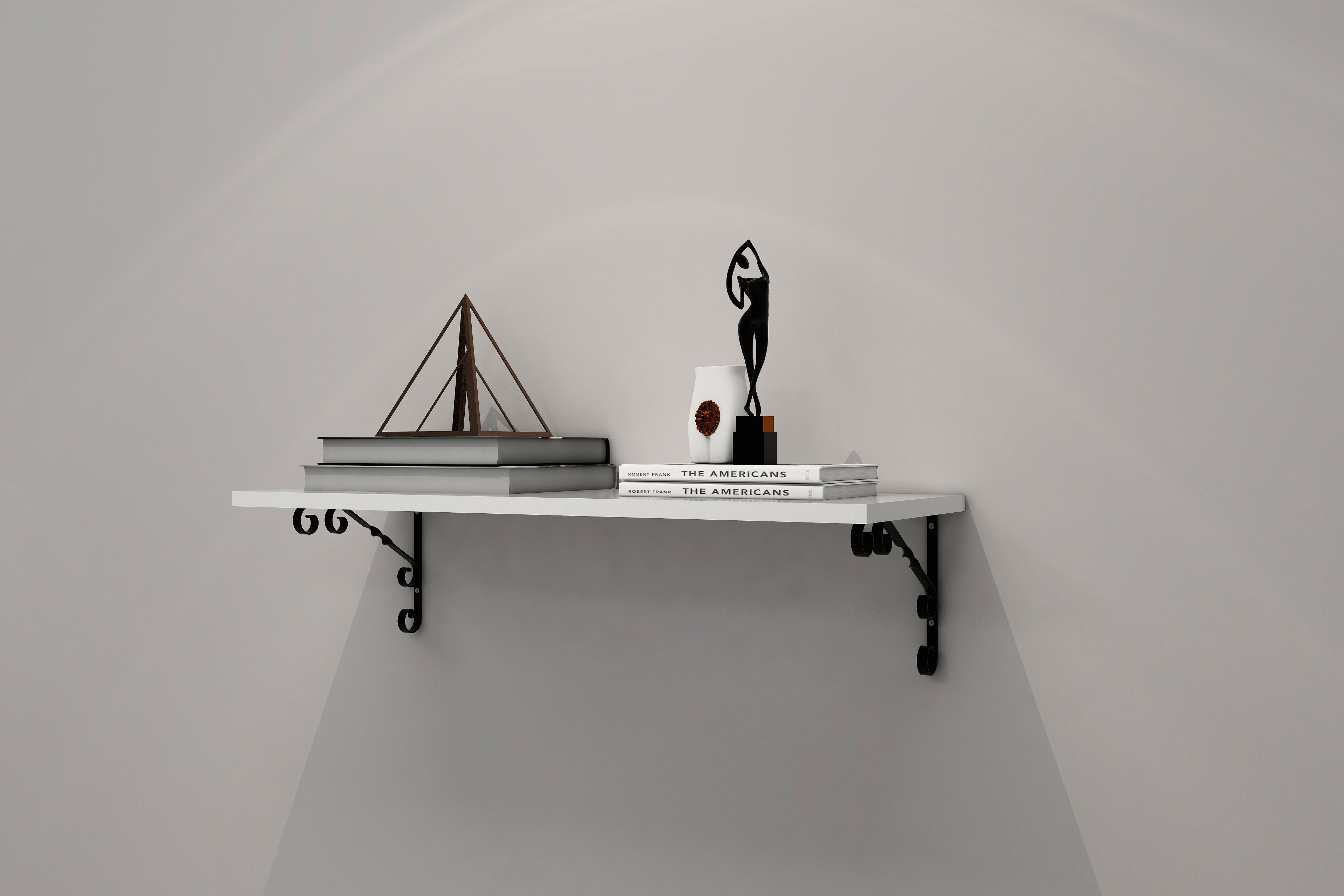
The seamless appearance of MDF floating shelves supports interior design strategies focused on visual flow and spatial continuity. When properly finished to match wall colors or complement existing trim work, these shelves appear to emerge naturally from the wall surface itself. This integration technique proves particularly effective in small spaces where maintaining uninterrupted sight lines helps preserve the perception of spaciousness.
Strategic placement of MDF floating shelves can guide visual movement through small rooms, creating focal points that draw attention upward and outward rather than emphasizing the confined dimensions. The horizontal lines created by properly aligned floating shelves can make narrow rooms appear wider, while vertical arrangements can increase the perceived ceiling height in compact spaces.
Balancing Function with Minimalist Aesthetics
Modern design principles emphasize the elimination of unnecessary visual elements while maintaining essential functionality. MDF floating shelves perfectly embody this philosophy by providing storage capacity without the mechanical complexity visible in traditional shelving systems. The clean, unadorned appearance allows displayed items to take visual prominence rather than competing with ornate shelf hardware.
The minimalist profile of MDF floating shelves supports contemporary design themes while accommodating practical storage needs. This balance proves particularly valuable in small living spaces where furniture and fixtures must serve multiple purposes without creating visual chaos. The simplicity of floating shelf design allows for flexible styling approaches that can evolve with changing decorative preferences.
Installation Considerations for Maximum Impact
Wall Type Compatibility and Mounting Solutions
Successful MDF floating shelves installation requires careful consideration of wall construction and appropriate mounting hardware selection. Drywall installations typically utilize heavy-duty toggle bolts or wall anchors designed specifically for floating shelf applications, while masonry walls may require concrete anchors or specialized fastening systems. The hidden mounting approach characteristic of floating shelves demands precise installation techniques to ensure both safety and aesthetic success.
The mounting system concealment that defines MDF floating shelves necessitates proper wall preparation and accurate marking to achieve the seamless appearance that makes these solutions so attractive. Professional installation often proves worthwhile for ensuring proper load distribution and maintaining the visual integrity that makes floating shelves effective in small spaces.
Strategic Placement for Small Space Optimization
Optimal placement of MDF floating shelves requires understanding of both functional needs and visual impact principles. In small spaces, shelf positioning must consider traffic patterns, existing furniture placement, and lighting conditions to maximize both utility and aesthetic contribution. Higher placement often works well for display purposes while lower installations serve everyday storage needs.
The spacing and alignment of multiple MDF floating shelves significantly influences their overall visual impact in small rooms. Consistent spacing creates orderly, calming effects while varied spacing can add visual interest and accommodate items of different heights. The key lies in maintaining proportional relationships that enhance rather than overwhelm the available wall space.
Practical Applications and Use Cases
Storage Solutions for Specific Room Types
Kitchen applications of MDF floating shelves prove particularly effective for displaying dishware, storing frequently used items, and creating additional counter space in compact cooking areas. The moisture-resistant properties of properly finished MDF make these shelves suitable for kitchen environments when appropriate sealing treatments are applied. The clean lines complement modern kitchen designs while providing essential storage without the bulk of traditional cabinetry.
Bathroom implementations focus on toiletry storage, towel display, and decorative elements where MDF floating shelves can transform small powder rooms into organized, visually appealing spaces. The space-saving characteristics prove especially valuable above toilet areas or in narrow bathroom configurations where conventional shelving would impede movement or create cramped conditions.
Display and Organizational Applications
Living room and bedroom applications of MDF floating shelves often emphasize display functionality for books, decorative objects, and personal collections. The visual lightness of floating installations allows for creative arrangements that change with seasons or personal preferences without requiring structural modifications. These applications demonstrate how MDF floating shelves can serve as both functional storage and design elements.
Office and workspace implementations utilize MDF floating shelves for document storage, equipment placement, and organizational systems that maintain professional appearances while maximizing limited wall space. The clean, businesslike appearance of properly finished floating shelves supports productivity-focused environments while providing essential storage capacity in compact work areas.
FAQ
What weight capacity do MDF floating shelves typically support?
Most properly installed MDF floating shelves can support 15-25 pounds when mounted to standard drywall with appropriate anchors, and significantly more when mounted to wall studs. The exact capacity depends on shelf thickness, mounting method, and wall type. For heavy items, professional installation and stud mounting are recommended to ensure safe load distribution.
How do MDF floating shelves compare to solid wood options for small spaces?
MDF floating shelves offer superior dimensional stability and consistency compared to solid wood, with less risk of warping or splitting over time. They are also lighter weight, reducing stress on mounting systems, and typically cost less while offering excellent paint and finish adhesion. However, solid wood may be preferred for its natural grain appearance and perceived premium quality.
Can MDF floating shelves be installed in moisture-prone areas like bathrooms?
Yes, MDF floating shelves can be used in bathrooms when properly sealed with moisture-resistant primers and paints or finished with waterproof laminates. The key is ensuring complete edge sealing to prevent moisture infiltration. For high-moisture environments, consider marine-grade finishes or waterproof MDF variants specifically designed for humid conditions.
What are the most common installation mistakes to avoid with MDF floating shelves?
Common mistakes include inadequate wall anchoring for the intended load, improper spacing between mounting points, failure to level shelves during installation, and insufficient wall preparation. Additionally, using inappropriate fasteners for the wall type, overloading shelves beyond their capacity, and poor finish preparation can compromise both safety and appearance of the installation.
Table of Contents
- Understanding the Small Wall Space Challenge
- MDF Material Advantages for Floating Applications
- Design Integration and Aesthetic Benefits
- Installation Considerations for Maximum Impact
- Practical Applications and Use Cases
-
FAQ
- What weight capacity do MDF floating shelves typically support?
- How do MDF floating shelves compare to solid wood options for small spaces?
- Can MDF floating shelves be installed in moisture-prone areas like bathrooms?
- What are the most common installation mistakes to avoid with MDF floating shelves?