 EN
EN

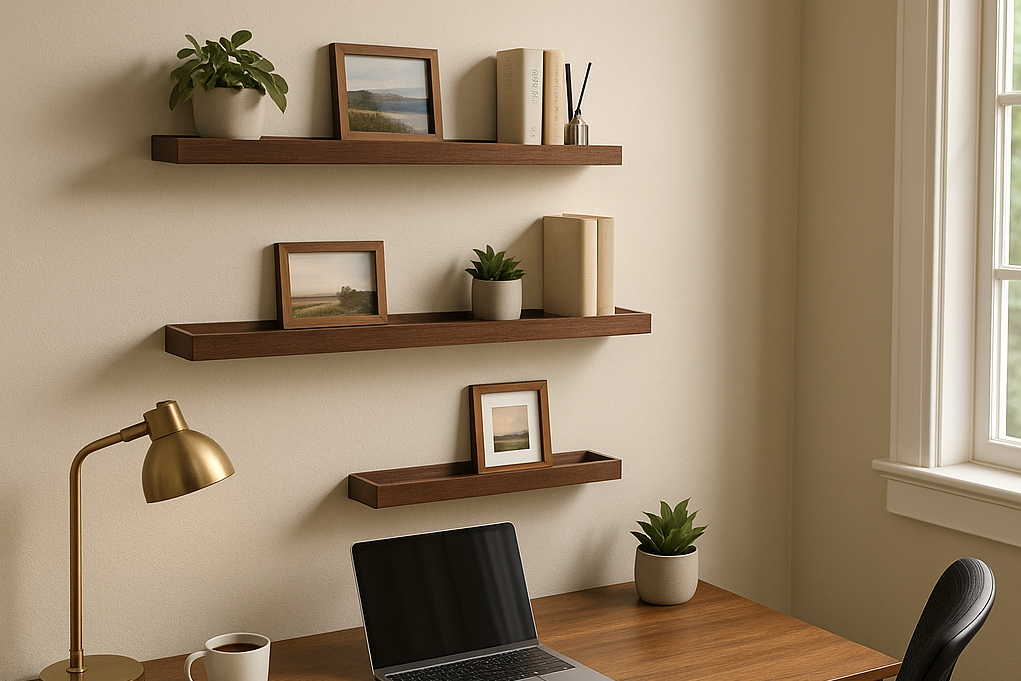
Selecting the perfect MDF floating shelves for your space requires careful consideration of multiple factors, from load capacity and dimensions to aesthetic appeal and installation requirements. MDF floating shelves have become increasingly popular due to their versatility, cost-effectiveness, and ability to create clean, modern storage solutions in any room. Understanding the key characteristics and selection criteria will help you make an informed decision that meets both your functional needs and design preferences.
This comprehensive guide walks you through every aspect of choosing Bomeda MDF floating shelves, covering essential considerations from material quality and structural integrity to design compatibility and long-term durability. Whether you're planning a home renovation, organizing a commercial space, or simply looking to enhance your interior design, making the right choice in MDF floating shelves will provide years of reliable service while maintaining their visual appeal.
Understanding MDF Floating Shelf Construction and Quality
Material Composition and Density Standards
High-quality MDF floating shelves are manufactured using medium-density fiberboard that meets specific density requirements, typically ranging from 700 to 800 kg/m³. The composition involves wood fibers bonded with synthetic resin under high temperature and pressure, creating a uniform, stable material that resists warping and splitting. Bomeda's MDF floating shelves utilize premium-grade fiberboard with consistent density distribution, ensuring reliable structural performance across the entire shelf surface.
The manufacturing process significantly impacts the final product's durability and appearance. Superior MDF floating shelves feature smooth, void-free surfaces that accept paint and finishes uniformly. The edge quality is particularly important, as poorly manufactured edges can absorb moisture and compromise structural integrity over time. Professional-grade MDF floating shelves incorporate moisture-resistant additives and sealed edges to prevent swelling and deterioration in typical indoor environments.
Structural Engineering and Load Distribution
The internal structure of MDF floating shelves determines their load-bearing capacity and long-term stability. Well-engineered shelves feature optimized thickness profiles that balance material efficiency with structural strength. The mounting system integration is crucial, as the shelf must effectively transfer loads to the wall-mounted brackets without creating stress concentrations that could lead to failure.
Professional MDF floating shelves incorporate reinforcement channels or mounting grooves that distribute loads evenly across the bracket interface. This design approach prevents localized stress that can cause cracking or separation. The shelf's cross-sectional geometry also influences its deflection characteristics under load, with deeper profiles providing greater stiffness and reduced sagging over extended spans.
Sizing and Dimensional Considerations
Length and Span Limitations
Choosing the appropriate length for MDF floating shelves requires understanding the relationship between span, thickness, and expected load. Standard residential applications typically accommodate spans up to 36 inches with proper bracket spacing, while heavier loads or decorative requirements may necessitate shorter spans or increased thickness. The deflection limits for visible sagging are generally accepted at span/360 for lightly loaded shelves and span/240 for storage applications.
Bomeda's MDF floating shelves are available in various standard lengths, with custom sizing options for specific applications. The selection process should consider not only the immediate space requirements but also the visual proportions within the room. Longer shelves create horizontal emphasis and can make rooms appear wider, while multiple shorter shelves provide more flexible arrangement options and easier installation access.
Depth and Clearance Requirements
Shelf depth selection impacts both functionality and visual balance within the space. Standard depths range from 6 inches for display purposes to 12 inches or more for storage applications. The depth should accommodate the intended items with adequate clearance while maintaining proportional relationships with other room elements. Deeper MDF floating shelves require more robust mounting systems and may affect the room's traffic flow patterns.
Installation clearance requirements include access space for mounting hardware and future maintenance. The wall surface condition and stud locations may influence the practical depth limitations. Professional installation of MDF floating shelves typically requires at least 2 inches of clearance behind the shelf for bracket access and adjustment during the mounting process.
Mounting Systems and Installation Requirements
Bracket Types and Load Ratings
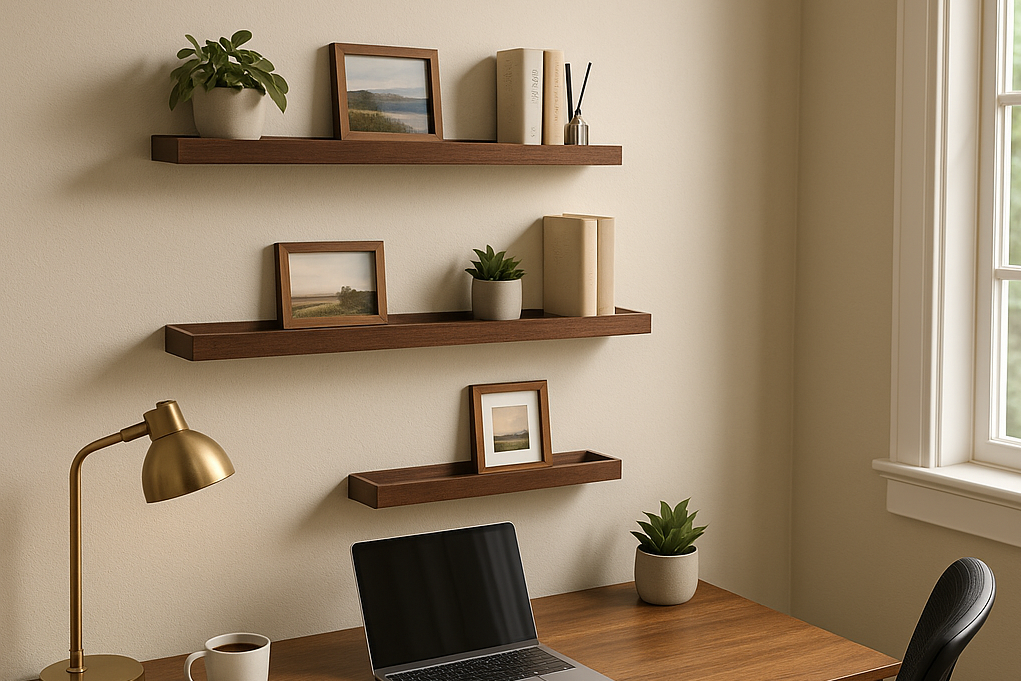
The mounting system selection is critical for MDF floating shelves performance and safety. Hidden bracket systems provide the cleanest appearance but require precise installation and compatible shelf preparation. Steel brackets offer the highest load capacity and durability, while aluminum options provide adequate strength for lighter applications with reduced weight.
Load ratings for MDF floating shelves depend on both the bracket capacity and the shelf's ability to distribute loads. Professional-grade mounting systems include detailed load specifications based on bracket spacing and wall attachment methods. Understanding these ratings ensures safe installation and prevents overloading that could result in failure or damage to wall surfaces.
Wall Attachment and Structural Requirements
Successful MDF floating shelves installation requires adequate wall structure to support the combined weight of shelf, contents, and dynamic loads. Drywall-only installations are limited to very light loads, while attachment to wall studs or masonry provides substantially higher capacity. The wall surface preparation and attachment hardware selection must match the expected service conditions and load requirements.
Installation considerations include stud spacing alignment with bracket locations, wall surface flatness, and accessibility for mounting hardware. Professional installation typically involves locating and marking stud centers, pre-drilling pilot holes, and using appropriate fasteners for the wall construction type. The mounting system should provide adjustment capability to accommodate minor wall irregularities and ensure level installation.
Surface Finishes and Aesthetic Options
Paint and Coating Systems
MDF floating shelves accept a wide variety of paint and coating systems, from basic latex paints to specialized decorative finishes. The surface preparation requirements vary depending on the chosen finish, with prime-grade MDF requiring minimal preparation for standard paint applications. High-quality primer application is essential for achieving uniform coverage and preventing fiber raising that can create surface texture irregularities.
Specialty finishes such as lacquers, polyurethanes, or textured coatings may require specific preparation steps and application techniques. The finish selection should consider the intended use environment, with moisture-resistant coatings recommended for bathroom or kitchen installations. Professional finishing of MDF floating shelves typically involves light sanding, primer application, and multiple topcoat layers for optimal appearance and durability.
Laminate and Veneer Applications
Laminated MDF floating shelves provide enhanced durability and a wider range of decorative options compared to painted surfaces. High-pressure laminates offer excellent wear resistance and moisture protection, making them suitable for heavy-use applications. The laminate application process requires specialized equipment and techniques to achieve proper adhesion and edge sealing.
Wood veneer applications on MDF floating shelves combine the stability of engineered substrate with natural wood appearance. The veneer selection and matching process affects both cost and final appearance. Professional veneer application includes proper substrate preparation, adhesive selection, and edge banding to create seamless transitions and prevent moisture infiltration at vulnerable areas.
Performance Evaluation and Selection Criteria
Load Capacity and Safety Factors
Evaluating MDF floating shelves requires understanding both static and dynamic load capabilities. Static loads include the permanent weight of items stored on the shelf, while dynamic loads result from access activities and impact events. Professional specifications typically include safety factors that account for load variations and long-term material property changes.
The load distribution pattern significantly affects shelf performance, with concentrated loads creating higher stress levels than evenly distributed weights. Point loads from heavy items should be positioned over bracket locations when possible to minimize deflection and stress. Understanding these principles helps in both product selection and proper usage to maximize service life and safety.
Environmental Compatibility and Longevity
MDF floating shelves performance varies with environmental conditions, particularly humidity and temperature fluctuations. Standard MDF has limited moisture resistance and may experience dimensional changes in high-humidity environments. Moisture-resistant formulations and proper finishing extend service life in challenging conditions but may involve higher initial costs.
Long-term durability depends on both material selection and installation quality. Proper mounting systems prevent stress concentrations that can lead to premature failure, while appropriate finishing protects against moisture and wear. Regular inspection and maintenance help identify potential issues before they compromise shelf integrity or safety. Professional-grade MDF floating shelves typically provide 10-15 years of service life under normal residential conditions when properly installed and maintained.
FAQ
What is the maximum weight capacity for Bomeda MDF floating shelves?
The weight capacity of Bomeda MDF floating shelves depends on several factors including shelf thickness, span length, bracket type, and mounting method. Standard 1-inch thick shelves with proper steel bracket mounting can typically support 30-40 pounds per linear foot when mounted to wall studs. For specific load requirements, consult the manufacturer's specifications and ensure proper installation by qualified professionals to achieve rated capacity safely.
How do I determine the correct bracket spacing for my MDF floating shelves?
Bracket spacing for MDF floating shelves should align with wall stud locations whenever possible, typically 16 or 24 inches on center. For shelves longer than 32 inches, use at least three brackets with maximum spacing of 24 inches between supports. Consider the expected load distribution and concentrate brackets under anticipated heavy load areas. Always verify wall stud locations before installation and use appropriate fasteners for your wall construction type.
Can MDF floating shelves be used in bathrooms or high-humidity environments?
Standard MDF floating shelves can be used in bathrooms with proper preparation and finishing. Apply moisture-resistant primer and high-quality paint or coating system to seal all surfaces, including edges. Ensure adequate ventilation and avoid direct water exposure. For high-humidity applications, consider moisture-resistant MDF formulations or alternative materials. Regular maintenance and inspection help prevent moisture-related damage and extend service life in challenging environments.
What tools and skills are required for installing Bomeda MDF floating shelves?
Installing MDF floating shelves requires basic carpentry tools including a drill, level, stud finder, measuring tape, and appropriate drill bits. Skills needed include accurate measuring, level installation, and proper fastener selection for wall type. While many homeowners can handle basic installations, complex mounting situations or heavy-load applications benefit from professional installation. Always follow manufacturer instructions and local building codes for safe and proper installation.
Table of Contents
- Understanding MDF Floating Shelf Construction and Quality
- Sizing and Dimensional Considerations
- Mounting Systems and Installation Requirements
- Surface Finishes and Aesthetic Options
- Performance Evaluation and Selection Criteria
-
FAQ
- What is the maximum weight capacity for Bomeda MDF floating shelves?
- How do I determine the correct bracket spacing for my MDF floating shelves?
- Can MDF floating shelves be used in bathrooms or high-humidity environments?
- What tools and skills are required for installing Bomeda MDF floating shelves?