 EN

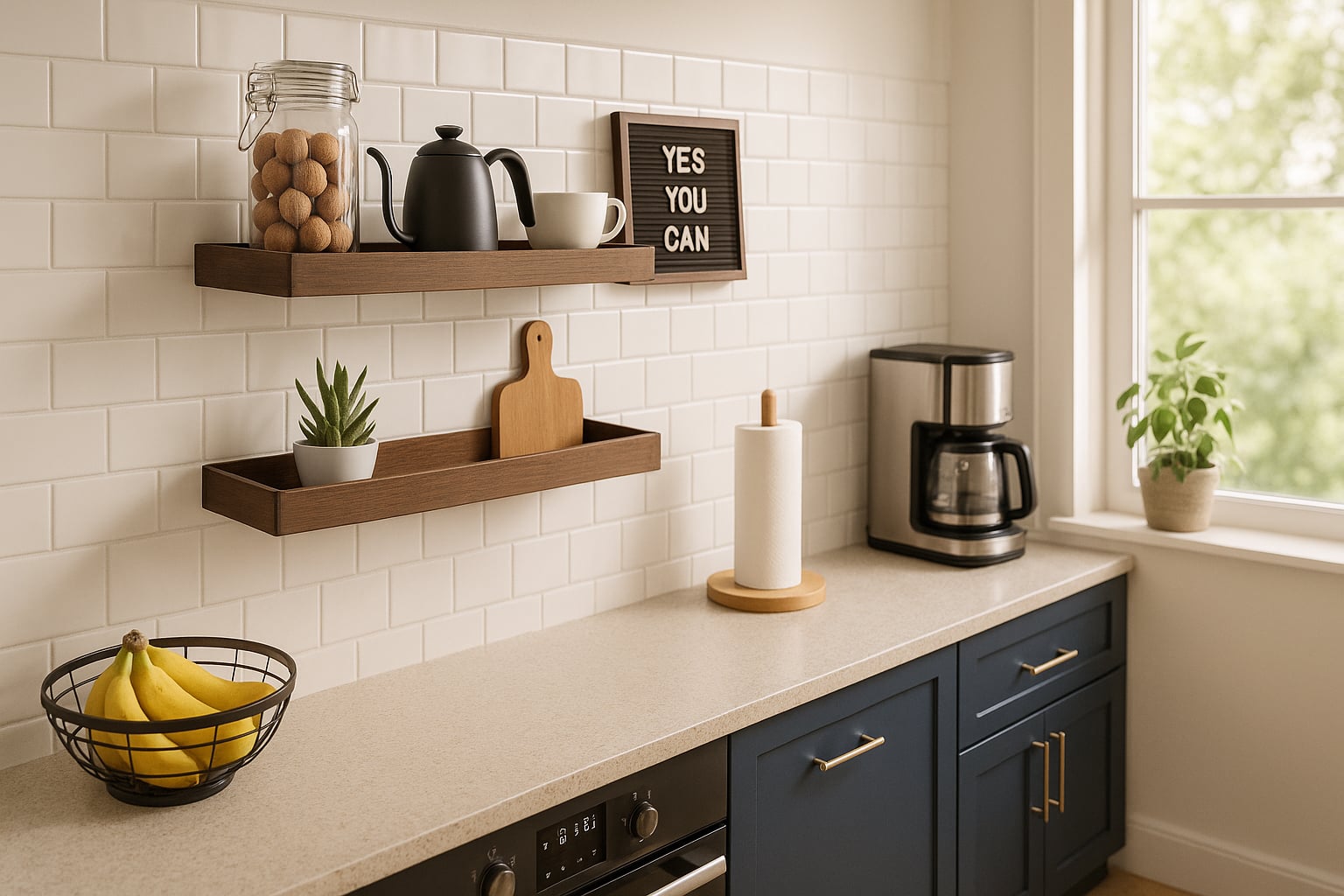
The structural integrity of a wooden wall shelf depends on understanding two critical material factors: wood grain orientation and board thickness. These elements work together to determine how much weight your shelf can safely support, how resistant it is to warping, and how long it will maintain its appearance. When selecting or designing a wooden wall shelf, most people focus on aesthetics and size, but overlooking grain direction and thickness can lead to disappointing performance, sagging shelves, and potential safety hazards. This guide explains the engineering principles behind wood grain and thickness so you can make informed decisions about your wooden floating shelf installation.

A wooden floating shelf operates as a cantilevered beam, where the mounting bracket system transfers all weight and stress to the wall anchor points. The wood grain pattern and thickness of your board directly influence how the shelf resists bending, twisting, and permanent deformation under load. Understanding these properties helps you choose materials that will perform reliably for years, whether you are installing a shelf in your home office, retail display, or commercial space.
The Role of Wood Grain in Shelf Strength
Grain Direction and Load-Bearing Capacity
Wood grain direction determines how fiber structures align within the board, which affects stress distribution and resistance to bending forces. When grain runs parallel to the wall, it provides optimal strength in the direction where the cantilever loads are applied. A solid wood shelf with grain aligned lengthwise experiences less deflection under weight compared to grain running perpendicular. This distinction matters significantly because wood is stronger along the grain than across it. For a wood wall shelf, having grain run the length of the board maximizes its ability to resist sagging, especially when spans exceed eighteen inches.
Grain Structure and Moisture Stability
The grain pattern also influences how wood absorbs and releases moisture from the environment. Wood expands and contracts differently along the grain versus across it, meaning grain orientation affects dimensional stability over time. A wooden floating shelf in a bathroom or kitchen experiences humidity fluctuations that cause uneven expansion if grain direction is not carefully considered. Radial grain, where grain lines radiate from the tree center, offers superior stability compared to flat-sawn grain that runs more randomly through the board. Selecting a rustic wall shelf with radial grain characteristics reduces the risk of warping, cupping, or twisting that undermines both appearance and function.
Board Thickness and Structural Performance
Thickness as a Deflection Control Factor
Board thickness is the single most influential factor governing shelf deflection under load because strength increases exponentially with thickness. A solid wood shelf that is one inch thick can support roughly four times more weight than a half-inch shelf of identical width and mounting quality, assuming all other variables remain constant. This relationship stems from how bending stress distributes through the board's vertical dimension. For spans up to twenty-four inches, a minimum thickness of one and one-quarter inches is recommended for residential shelves supporting books and decorative objects. Commercial applications often require one and one-half inches or greater to meet code requirements and accommodate heavier merchandise displays.
Thickness and Long-Term Durability
Thicker boards naturally resist permanent set, the condition where a shelf never fully recovers its original shape after years of bearing weight. A wooden wall shelf made from one-inch material will eventually show measurable sag if supporting consistent loads, while thicker stock maintains its profile for decades. The increased thickness also provides more material for finish coatings and stain penetration, improving durability against damage, moisture intrusion, and cosmetic wear. When investing in a wooden floating shelf intended for long-term use in visible locations, selecting premium thickness specifications ensures the shelf remains flat, level, and attractive without requiring replacement or repair.
Selecting Thickness and Grain for Your Application
Residential and Commercial Load Considerations
Residential wooden wall shelf installations typically support loads between fifteen and thirty pounds when designed for books, plants, and decor items. For this application, solid wood shelf boards measuring one inch thick work adequately across spans up to twenty inches when mounted with quality brackets rated for the expected load. Commercial environments often demand thicker material because merchandise displays, inventory, or equipment loads can reach fifty to one-hundred pounds or more. A rustic wall shelf in a retail setting should ideally measure one and one-half inches thick and feature grain aligned lengthwise to prevent sagging that would damage product appearance or customer confidence. Consulting load rating specifications from your mounting system manufacturer ensures your thickness and grain selection combine to support your specific load requirements safely.
Aesthetic and Practical Balance
Thicker boards appear more substantial and convey higher quality, which appeals to designers and homeowners seeking visual impact from their wooden floating shelf. However, extremely thick boards become visually heavy in delicate interiors and cost more in premium solid wood materials. The sweet spot for most installations falls between one inch and one and one-quarter inches thickness, balancing visual proportion, cost, and structural performance. Grain direction also influences the finished appearance because radial grain creates visual warmth and stability, while flat-sawn grain offers varied color patterns. Matching grain selection to your interior design aesthetic while maintaining the required strength ensures your wooden wall shelf functions beautifully for years without compromise.
FAQ
Does vertical grain truly make a wooden wall shelf stronger than flat-sawn grain?
Yes, radial or vertical grain provides superior dimensional stability and resists warping better than flat-sawn grain, especially in humidity-prone environments. While both grain patterns can support similar weight when thickness is adequate, vertical grain wood shelf installations demonstrate less cupping and twisting over time. This matters for long-term shelf appearance and performance because moisture fluctuations cause flat-sawn grain to move more dramatically. For permanent installations, specifying vertical grain in your solid wood shelf significantly reduces maintenance and ensures consistent performance.
What happens if I choose a wooden floating shelf that is too thin for my intended load?
An undersized shelf will deflect noticeably under load, appearing to sag even if the mounting brackets are secure. Permanent deformation may develop, where the shelf never fully recovers its original flat profile even after weight is removed. Over months and years, excessive deflection can stress mounting brackets and wall anchors, increasing failure risk. Choosing adequate thickness from the beginning prevents these problems and ensures your wood wall shelf remains safe, level, and attractive indefinitely.
Can grain direction be altered during manufacturing to improve shelf strength?
Grain direction is determined by how the tree grew and how the board was cut from the log, so it cannot be altered after the fact. However, manufacturers can select which boards and cutting methods they use to optimize grain alignment in finished shelves. Requesting edge-grain or radial-grain stock ensures your wooden wall shelf benefits from the strongest and most stable grain characteristics available. Working with suppliers who understand grain selection as a strength specification helps you acquire the right material for your application requirements.