 EN

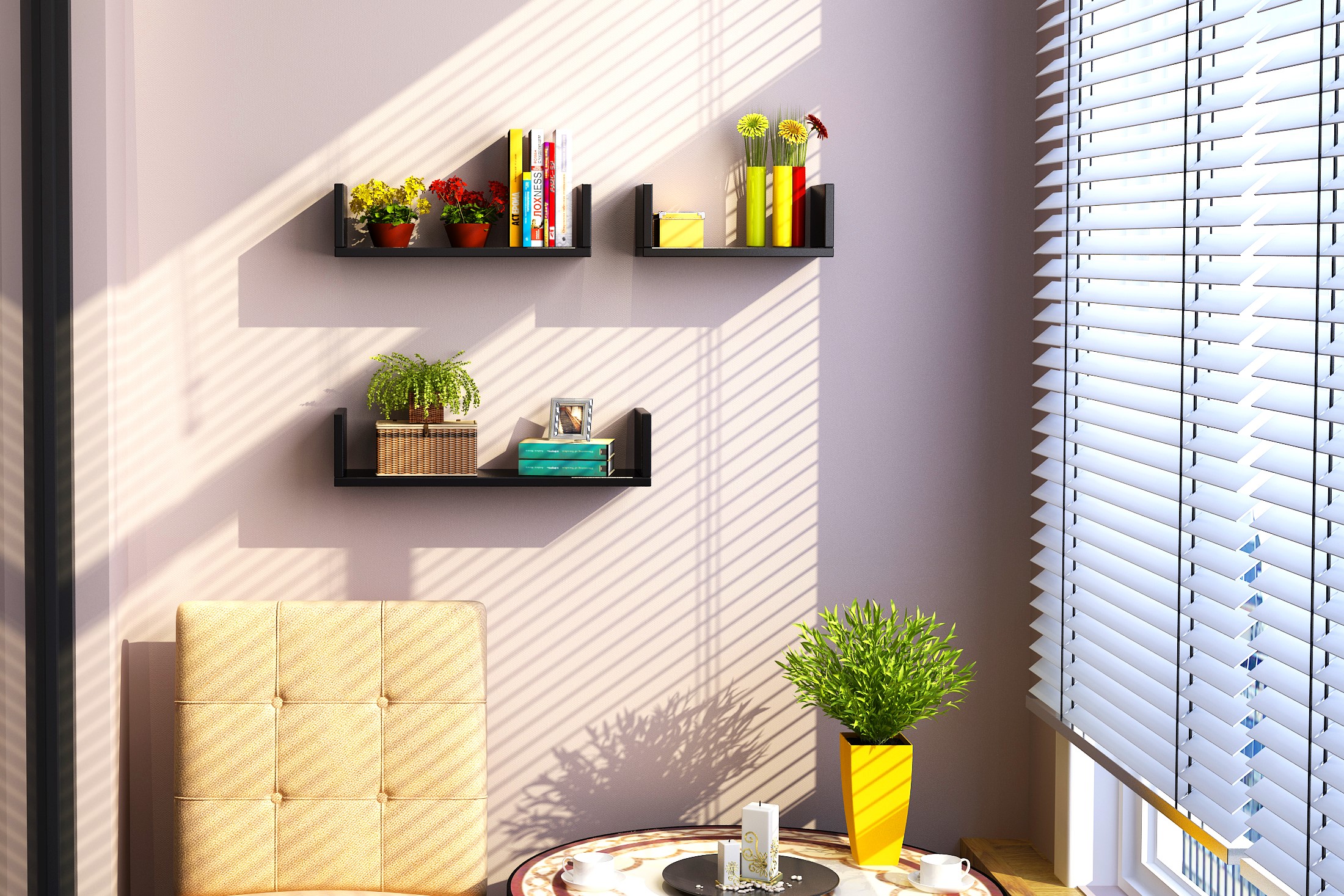
Choosing between solid wood and engineered wood for your wall shelving is a critical decision that affects both aesthetics and long-term functionality. A wooden wall shelf brings character and warmth to any room, but understanding the material composition determines whether your investment will withstand daily use or require replacement within years. Both options offer distinct advantages and trade-offs, making it essential to evaluate your specific needs, budget constraints, and environmental conditions before committing to either material.
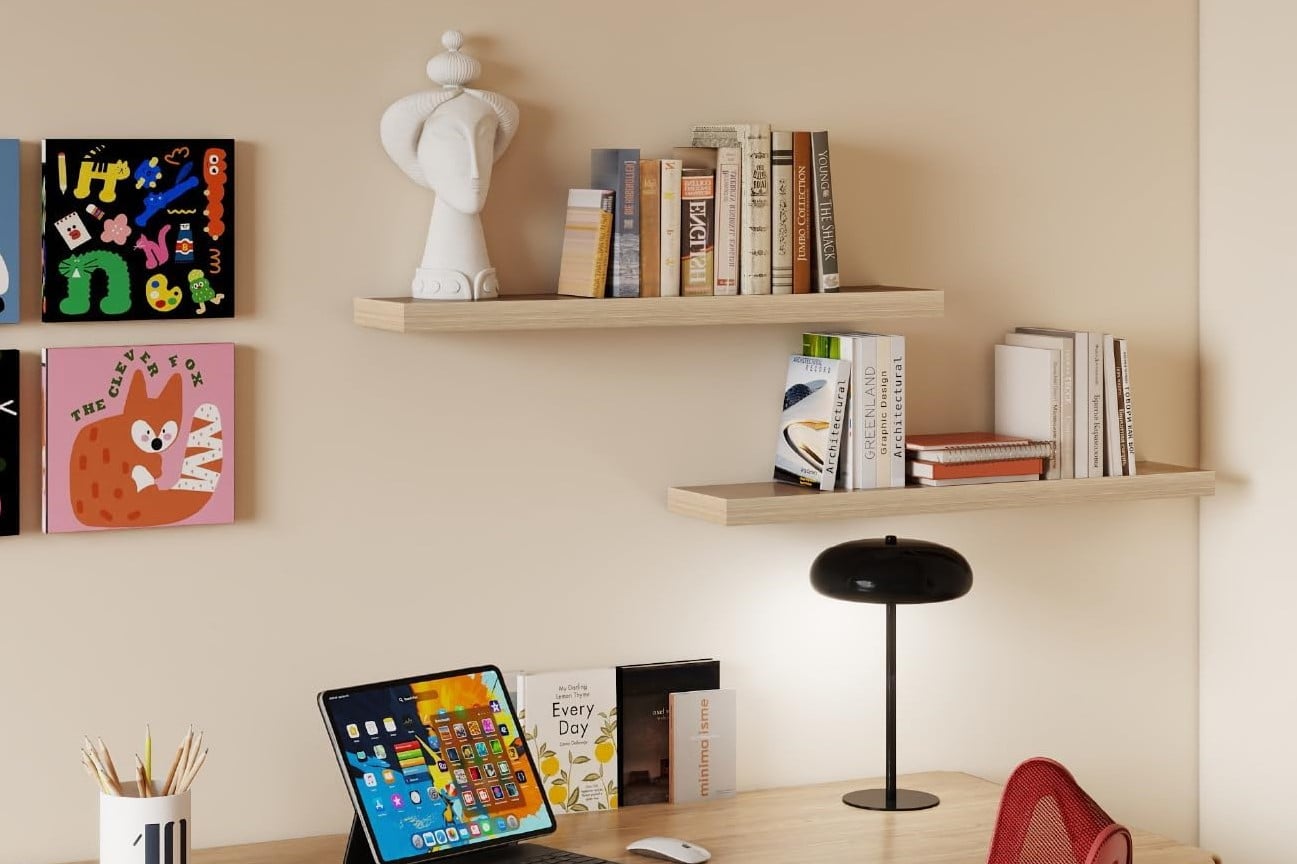
The market for wall shelving has expanded significantly over the past decade, with homeowners and commercial designers increasingly seeking solutions that balance durability, visual appeal, and cost-effectiveness. A wood wall shelf has become a standard fixture in modern interiors, yet confusion persists about material performance. This comprehensive guide breaks down the structural integrity, stability characteristics, and financial implications of both solid wood and engineered alternatives, empowering you to make an informed choice tailored to your unique circumstances.
Understanding Solid Wood Wall Shelf Construction
What Defines Solid Wood Shelving
Solid wood shelf materials consist entirely of lumber harvested directly from trees, with minimal processing beyond drying, milling, and finishing. Common species include oak, maple, walnut, and pine, each offering distinct grain patterns, color variations, and inherent strength properties. A solid wood shelf retains the natural cellular structure of the timber, which contributes to both its aesthetic appeal and its mechanical performance characteristics. Unlike engineered alternatives, solid wood contains no adhesives, veneers, or composite layers, maintaining the integrity of the original material throughout its lifespan.
Strength and Load-Bearing Capacity
Solid wood shelves typically exhibit superior load-bearing capacity compared to engineered options, primarily due to their uniform density and lack of weak adhesive joints. Hardwoods such as oak and maple can support significantly heavier weights without deflection, making them ideal for displaying collectibles, books, or industrial equipment. The modulus of elasticity—a measure of a material's resistance to bending—remains consistently high across solid wood sections. However, load capacity depends critically on shelf thickness, span length, and the specific wood species selected, requiring careful planning during installation to prevent sagging or structural failure over time.
Engineered Wood Wall Shelf Performance and Applications
Composition and Manufacturing Process
Engineered wood shelf products combine wood veneers, plywood cores, or particleboard bases with adhesives to create layered composites that mimic solid wood aesthetics at lower cost. The manufacturing process involves adhering thin wood surfaces to stabilized core materials, creating products that resist warping in fluctuating humidity environments. A wooden floating shelf made from engineered wood often provides superior dimensional stability compared to solid alternatives, particularly in climates with seasonal moisture variations. Modern engineered shelf construction employs high-quality adhesives and manufacturing standards that deliver reliable performance in residential and light commercial applications.
Stability and Environmental Resistance
Engineered wood shelves demonstrate remarkable stability in environments where humidity and temperature fluctuate regularly. The cross-grain construction and composite layering minimize movement caused by moisture absorption and release, reducing warping, cupping, and twisting that can occur with solid materials. This characteristic makes engineered solutions particularly valuable in kitchens, bathrooms, and basements where environmental conditions challenge traditional wood performance. While engineered materials may eventually show surface wear or edge delamination under extreme conditions, their dimensional consistency provides predictable, maintenance-friendly performance across diverse applications.
Cost Comparison and Value Analysis
Initial Purchase Price Differences
Engineered wood wall shelf options typically cost 30 to 50 percent less than comparable solid wood alternatives, reflecting lower material costs and streamlined manufacturing processes. Solid wood pricing fluctuates with lumber market dynamics, species availability, and wood quality grades, while engineered products maintain more stable pricing due to standardized production. A rustic wall shelf crafted from premium hardwoods commands substantially higher prices than engineered counterparts, particularly when custom dimensions or specialty finishes are required. For budget-conscious buyers, engineered wood delivers aesthetic appeal and functional performance at accessible price points, though the trade-off involves potential durability and replacement frequency considerations.
Long-Term Value and Replacement Costs
Solid wood shelving represents a longer-term investment that typically outlasts engineered alternatives by decades when properly maintained and installed. The durability advantage translates to lower replacement frequency and superior value accumulation over extended ownership periods. Engineered wood shelves may require replacement every 5 to 10 years depending on use intensity and environmental exposure, creating recurring costs that eventually exceed initial savings. When evaluating true cost of ownership, accounting for removal, disposal, reinstallation labor, and purchasing cycles becomes essential for accurate financial comparison. Commercial applications involving high-traffic environments often justify solid wood investment despite premium initial pricing.
Practical Selection Criteria and Implementation Guidance
Environmental and Spatial Considerations
Moisture-prone spaces such as bathrooms, kitchens, and laundry rooms favor engineered wood solutions due to superior dimensional stability and moisture resistance characteristics. Dry interior environments with controlled humidity permit both material types to perform reliably, though solid options provide enhanced longevity. Load requirements must guide material selection, with heavy-use scenarios demanding solid wood shelf construction capable of supporting sustained weight without deflection. Aesthetic priorities also influence decisions, as solid wood offers unique grain patterns and natural character that engineered veneers approximate but cannot fully replicate authentically.
Installation and Maintenance Factors
Solid wood shelves require professional installation with appropriate support systems and may demand periodic refinishing to maintain appearance and protective finishes. Engineered wood floating shelf systems often integrate simpler mounting hardware and require minimal maintenance beyond occasional cleaning. The wooden wall shelf material choice affects repair accessibility, with solid wood permitting sanding and refinishing, while engineered products offer limited restoration options. Understanding your willingness and capability to perform ongoing maintenance should inform material selection, as solid wood benefits considerably from proactive care while engineered alternatives forgive neglect more gracefully.
FAQ
Can solid wood shelves handle heavier loads than engineered alternatives?
Yes, solid wood shelves generally support significantly heavier loads due to their uniform density and superior strength properties. A wooden floating shelf made from quality hardwoods resists deflection and bending better than engineered composites, making solid options preferable for displaying collectibles, books, or industrial equipment. Load capacity ultimately depends on shelf thickness, span distance, and specific wood species, but solid construction consistently outperforms engineered materials in weight-bearing applications.
Which material suits humid environments better?
Engineered wood wall shelf products excel in humid environments due to their cross-grain construction and adhesive bonding that resist warping, cupping, and twisting caused by moisture fluctuations. Solid wood absorbs and releases environmental moisture, leading to dimensional changes that can compromise structural integrity and appearance over time. Bathrooms, kitchens, and basements represent ideal applications for engineered solutions, while solid wood performs more reliably in climate-controlled interior spaces.
Is the price difference between materials justified by durability?
Solid wood shelf pricing typically exceeds engineered alternatives by 30 to 50 percent, representing genuine value when considering lifespan and replacement frequency. A rustic wall shelf crafted from quality hardwoods endures decades of use with proper maintenance, while engineered products may require replacement every 5 to 10 years. For long-term ownership and high-use applications, solid wood's premium cost delivers superior value, though budget-conscious projects may justify engineered materials for temporary installations or moisture-prone spaces.