 EN

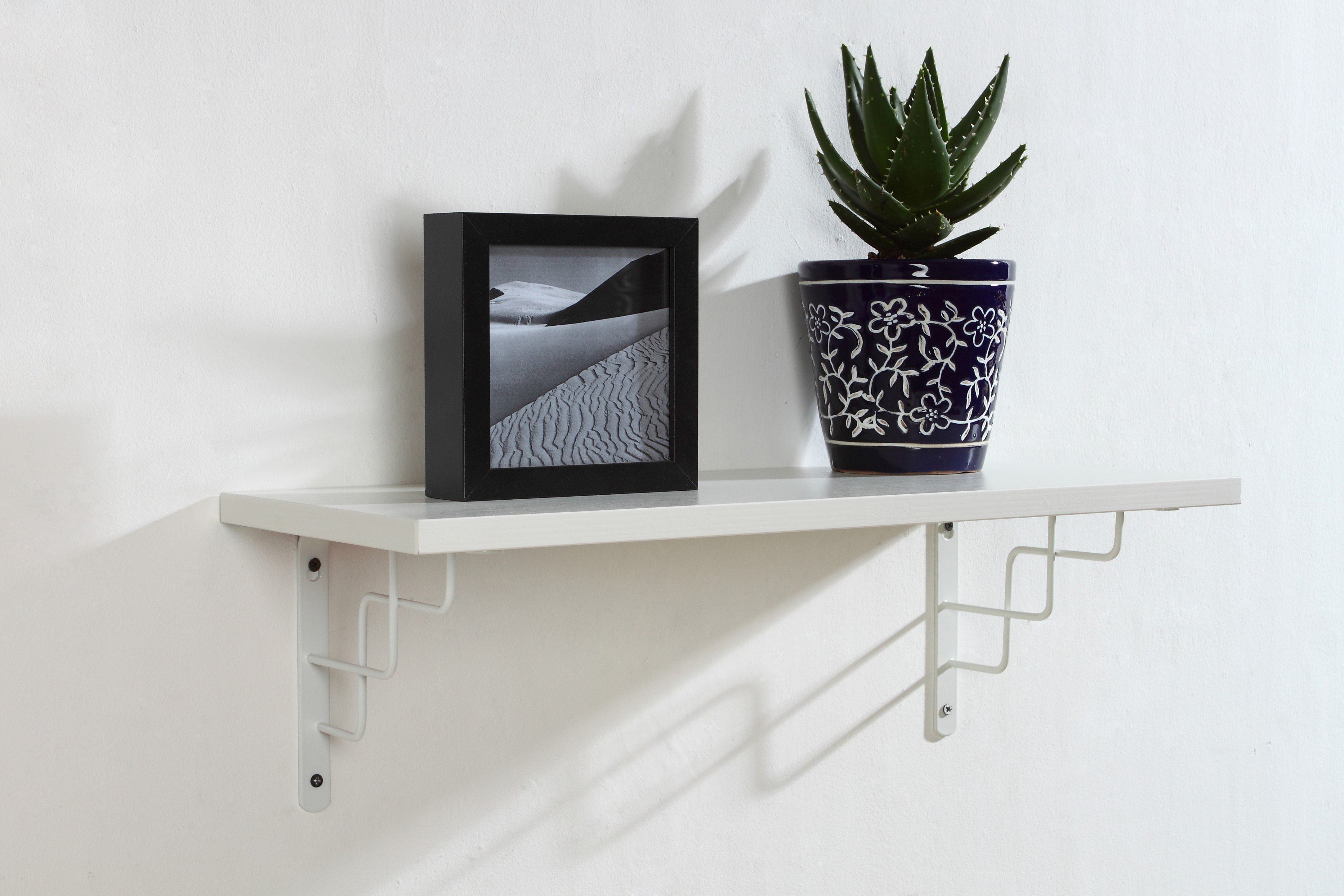
Selecting the correct shelf bracket is one of the most critical decisions in any shelving installation, whether you are setting up a residential storage system or an industrial display. The right choice depends on understanding your specific load requirements, wall type, and aesthetic preferences. Proper wall shelf support ensures your shelves remain secure, level, and functional for years to come.
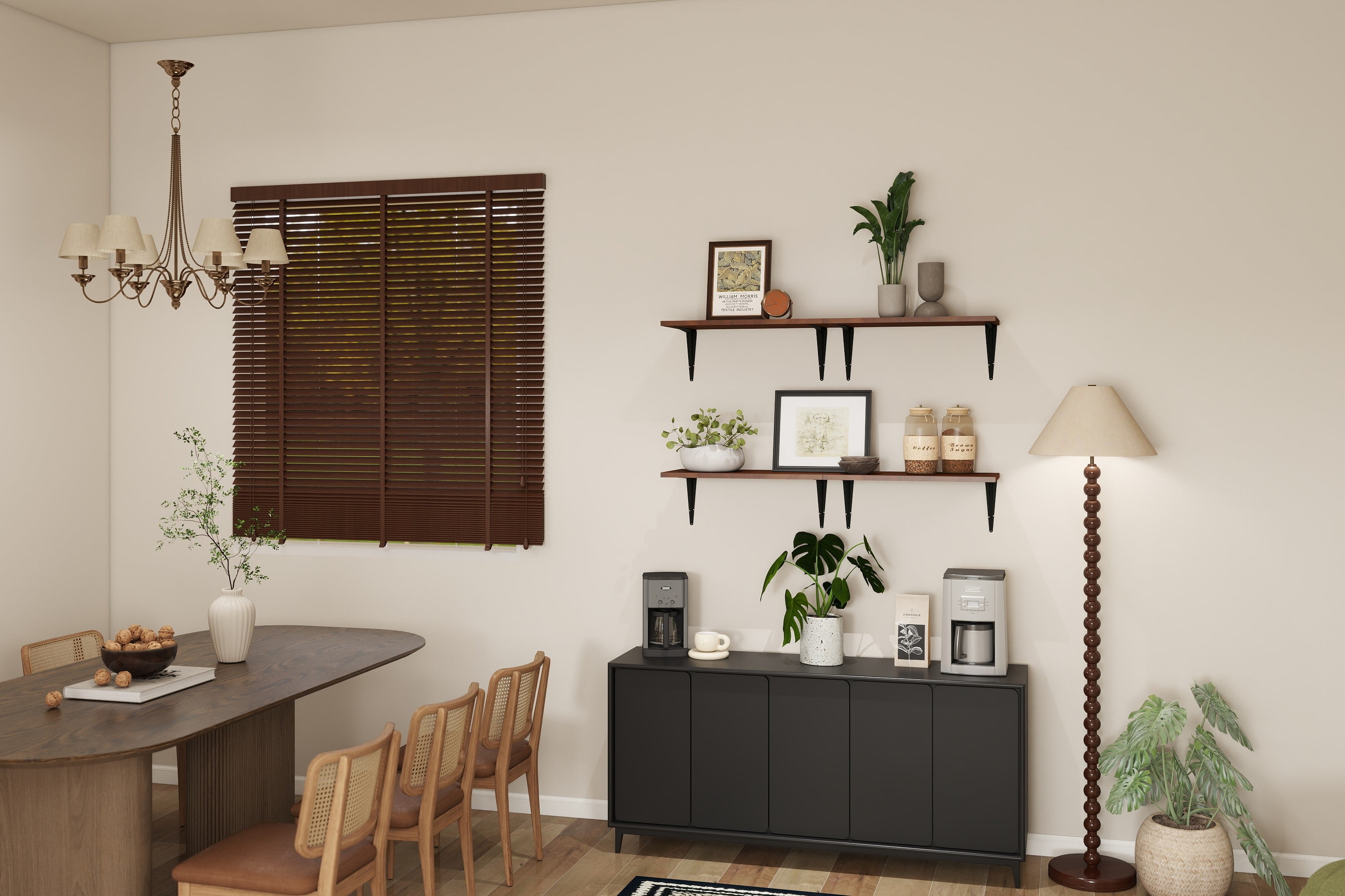
Choosing between different shelf bracket styles and materials requires knowledge of load-bearing capacity, installation methods, and your intended use case. Many installation failures occur not because the materials are poor quality, but because the wrong bracket type was selected for the specific load or wall configuration. Understanding how to match your shelf bracket to your actual needs prevents costly mistakes and ensures safety.
Understanding Shelf Load Capacity Requirements
Calculating Your Total Load Weight
Before selecting any shelf bracket, you must first determine the total weight your shelf will carry. This includes not only the items you plan to store today, but also potential future additions. Add up the weight of all objects you intend to place on the shelf, then add at least 20 percent extra capacity as a safety margin. Heavy duty shelf support systems are engineered with specific weight ratings, so accurate calculations prevent overloading and potential collapse.
The shelf bracket you choose must have a rated capacity that exceeds your total load by a significant margin. Most manufacturers design their shelf brackets with safety factors built in, but this does not mean you should approach the maximum rating. For commercial or industrial applications, consider consulting load charts that account for shelf span length, as longer shelves may sag or fail even with adequate brackets if the weight is not distributed properly.
Considering Distributed Versus Concentrated Loads
Understanding the difference between distributed and concentrated loads is essential for choosing the right wall shelf bracket. A distributed load spreads weight evenly across the shelf surface, such as books arranged along the entire length. A concentrated load places most weight in one small area, such as a heavy equipment unit positioned at the shelf center. Concentrated loads require heavier duty shelf support because the stress on individual brackets is much greater than with distributed loading.
When selecting a shelf bracket for concentrated loads, increase your safety margin even further and consider using additional brackets spaced closer together. Heavy duty shelf support systems often feature reinforced mounting plates and thicker materials specifically designed to handle point loads without bending or twisting. Always review the manufacturer's specifications for both distributed and maximum point load ratings before making your final selection.
Evaluating Wall Type and Installation Method
Matching Brackets to Your Wall Material
Different wall materials require different mounting strategies and shelf bracket designs. Drywall needs special anchors or studs for secure mounting, while concrete, brick, and plaster each demand their own fastening approach. A heavy duty shelf support rated for concrete will not necessarily perform well in drywall without proper anchors. Understanding your wall type is therefore crucial before selecting your shelf bracket configuration.
Studs provide the strongest mounting surface in most residential walls and allow use of standard fasteners directly into the framing. If mounting to drywall between studs, heavy duty shelf support requires industrial-grade expansion anchors or toggle bolts rated for the full load. Metal studs and commercial walls may use specialized clips or welded connections. Always verify that your chosen shelf bracket system is compatible with your wall material and available fastening methods to ensure safety and longevity.
Visible Versus Concealed Mounting Solutions
Shelf bracket design falls into two main categories: visible and concealed. A concealed shelf bracket mounts underneath the shelf or inside its edges, creating a clean, minimalist appearance with no visible support hardware. Visible shelf brackets mount to the wall and support the shelf from below, offering easier installation and inspection but creating a more industrial aesthetic. Your preference between these styles should not override practical considerations like load capacity and stability.
A concealed shelf bracket requires precision installation and careful engineering to handle loads without visible deformation. Heavy duty applications often favor visible shelf bracket designs because they provide clearer load paths and easier access for inspection and maintenance. Select based on both your aesthetic goals and functional requirements, understanding that the most beautiful solution is not always the most practical for your specific load conditions.
Material Selection and Durability Factors
Steel, Aluminum, and Material Properties
Most heavy duty shelf support systems use steel or aluminum as primary materials. Steel offers superior strength and load capacity, making it ideal for heavy loads and industrial applications. Aluminum provides lighter weight with reasonable strength and excellent corrosion resistance in humid or wet environments. Your choice between materials should reflect both your load requirements and environmental conditions where the shelf will be installed.
A quality wall shelf bracket manufactured from steel will typically support heavier loads than an aluminum equivalent of similar design. However, steel requires protection from rust and corrosion, usually through powder coating or galvanizing. Aluminum naturally resists corrosion, making it preferable in kitchens, bathrooms, or outdoor applications. Consider the long-term maintenance requirements and environmental exposure when comparing material options for your shelf bracket selection.
Surface Treatment and Longevity
The finishing treatment applied to your shelf bracket dramatically affects its durability and appearance. Powder-coated steel brackets offer excellent color options and corrosion protection in most environments. Galvanized steel provides industrial-grade protection suitable for harsh conditions. Stainless steel brackets offer maximum corrosion resistance for food service, laboratory, or coastal applications where regular moisture exposure occurs. Heavy duty shelf support in demanding environments must use appropriate surface treatments to prevent deterioration.
Before finalizing your shelf bracket purchase, verify that the finish is appropriate for your installation location. A powder-coated bracket that functions perfectly indoors may rust quickly if exposed to outdoor weather or chemical vapors. Inspect the quality of the finish on your wall shelf support system, looking for complete coverage without drips, runs, or thin spots that could leave bare metal exposed. Good surface treatment extends bracket life significantly and maintains both safety and appearance.
Practical Installation and Long-Term Performance
Spacing and Bracket Quantity Decisions
The number and spacing of shelf brackets directly impacts load-carrying capacity and shelf stability. A longer shelf requires more brackets positioned closer together to prevent sagging and deflection. Most guidelines recommend spacing shelf brackets no more than 16 to 24 inches apart for light to medium loads, but heavy applications may require 12-inch spacing or closer. Your specific shelf bracket spacing should always follow manufacturer recommendations based on both your load weight and shelf material thickness.
Heavy duty shelf support typically uses more brackets than basic installations to distribute load safely and minimize shelf deflection. Installing additional brackets costs less than replacing a damaged shelf or dealing with spilled contents from a failed installation. Consider erring on the side of more brackets rather than fewer, as this maintains better shelf alignment and reduces long-term stress on fasteners and the wall.
Maintenance and Inspection Protocols
After installation, regularly inspect your wall shelf support system to ensure continued safe operation. Check that fasteners remain tight, brackets show no visible bending or deformation, and the shelf maintains level alignment. Environmental changes, thermal expansion, and vibration from nearby activity can gradually loosen fasteners over time. A simple visual inspection every few months catches problems before they become safety hazards.
Heavy duty shelf support systems designed for industrial or commercial use should be inspected more frequently, especially if they experience vibration or environmental changes. Keep fasteners protected and replace any corroded or damaged components promptly. Good maintenance practices extend bracket life and ensure your shelving remains safe and functional throughout its installation period.
FAQ
How do I calculate the correct shelf bracket size for my specific load?
Identify the total weight of all items your shelf will hold, add a 20 percent safety margin, and locate a shelf bracket rated for that capacity. Check the manufacturer's specifications for both total load capacity and maximum point load if you have concentrated weight. Verify that your wall material and fastening method can support the rated load of the bracket you select. Always reference installation guides specific to your wall type to ensure proper anchoring.
What is the difference between heavy duty shelf support and standard brackets?
Heavy duty shelf support uses thicker materials, reinforced designs, and higher-grade fasteners to handle significantly greater loads than standard brackets. A heavy duty shelf bracket is engineered with larger safety factors and typically rated for loads ranging from 100 to 500+ pounds per bracket, compared to standard brackets rated for 25 to 75 pounds. Heavy duty options feature wider mounting plates, multiple fastening points, and materials chosen for maximum strength and durability in demanding applications.
Can I use a concealed shelf bracket for heavy loads?
Yes, high-quality concealed shelf brackets are available with heavy duty ratings suitable for significant loads, though most light and medium-weight applications use visible brackets. A concealed shelf bracket for heavy loads requires precise engineering, proper installation into solid wall support, and careful adherence to manufacturer specifications. Verify the load rating of any concealed bracket before purchase, as concealed designs often have lower capacity than visible alternatives of similar material and cost due to structural limitations inherent in the hidden mounting approach.