 EN

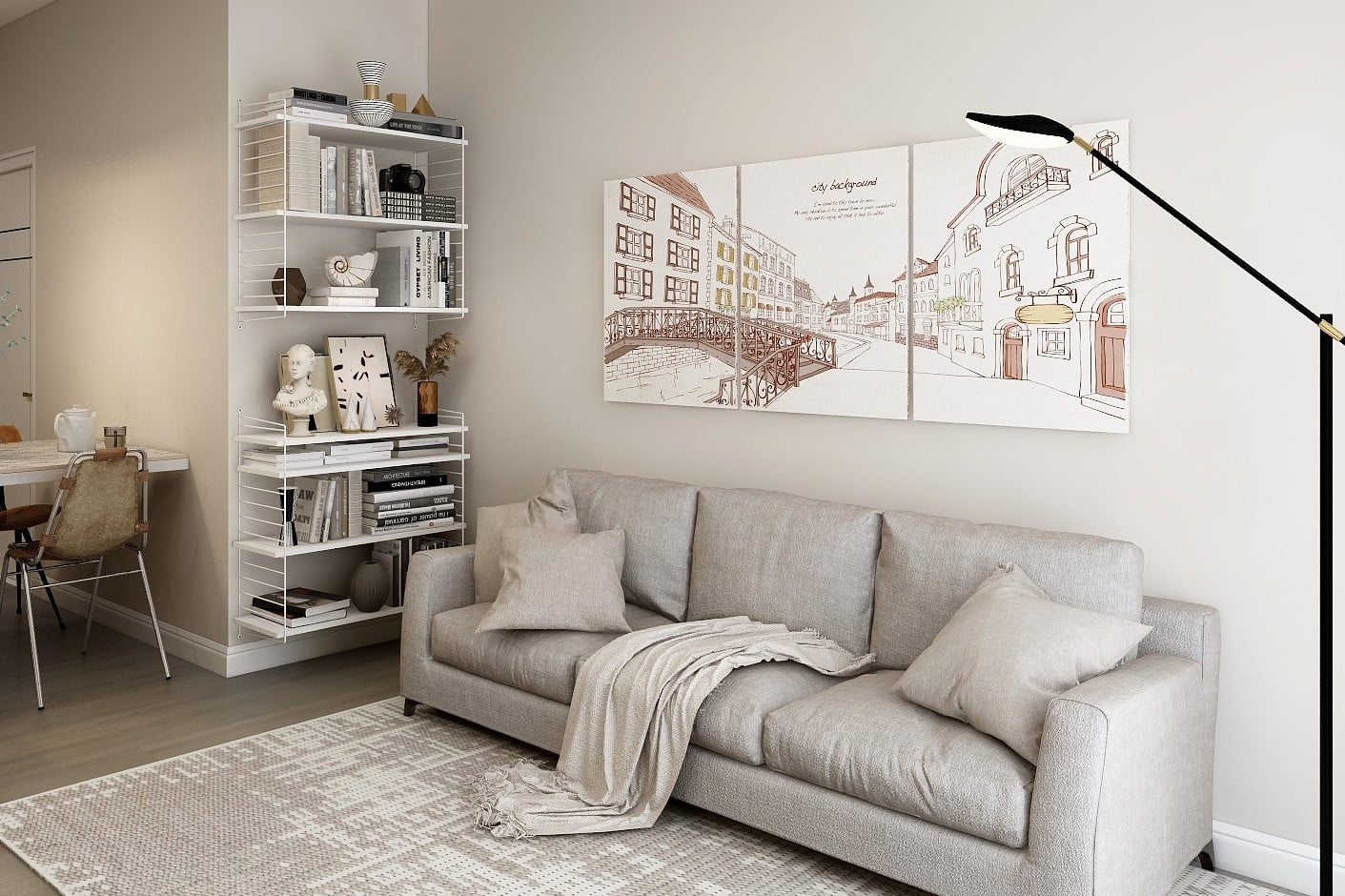
Understanding load capacity is essential when selecting and installing a wall shelf support system for any residential or commercial application. The weight-bearing capability of your shelf brackets directly determines whether your shelving solution will safely hold your intended items or risk catastrophic failure. Load capacity represents the maximum weight a wall shelf support can safely bear before structural compromise occurs, making it a critical specification that should never be overlooked during the planning phase.
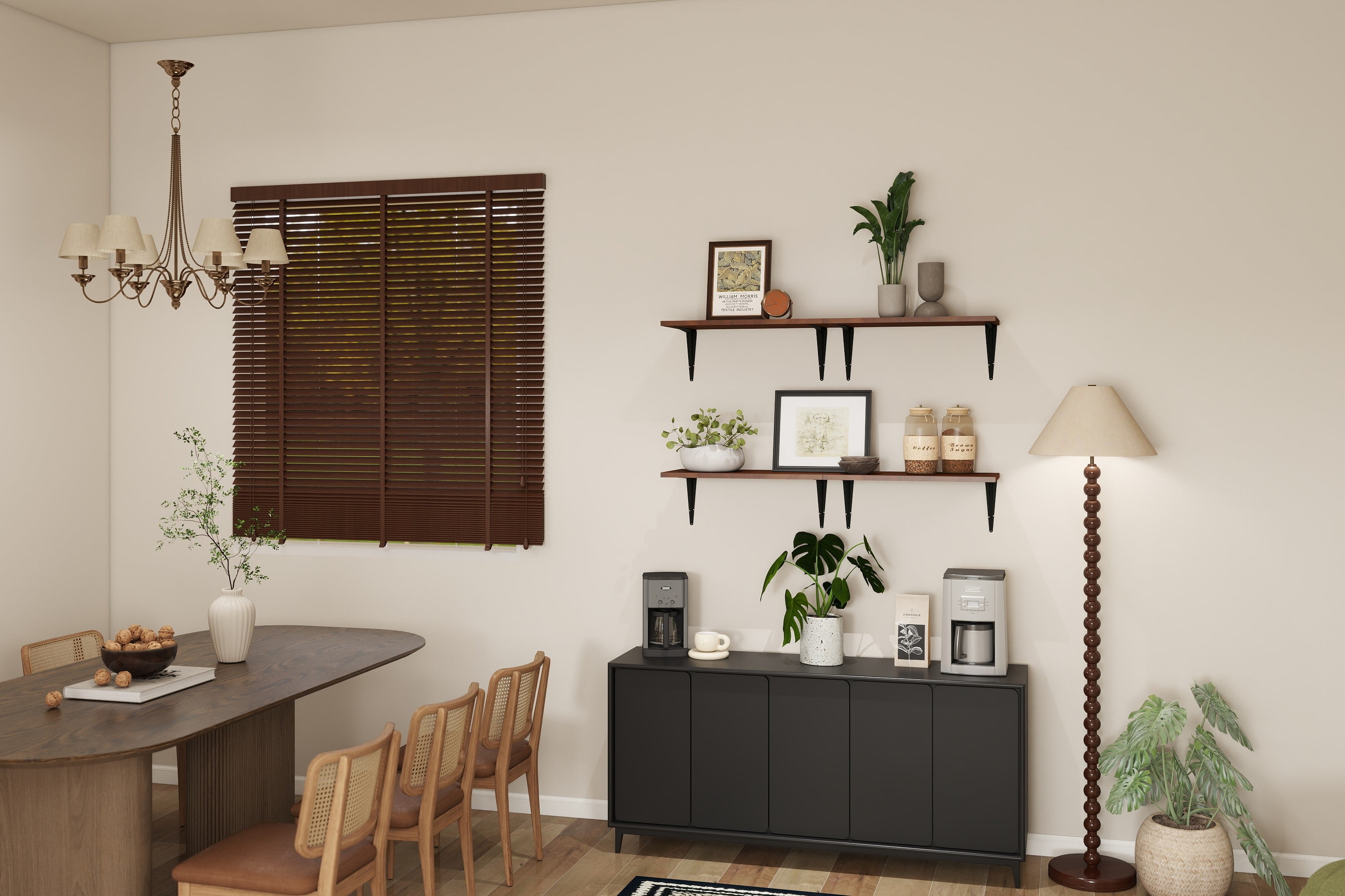
Many facility managers and homeowners underestimate how load capacity affects their shelving decisions, leading to expensive repairs or safety hazards. A properly rated wall shelf bracket provides peace of mind and protects both property and personnel. This guide explores the fundamental principles governing weight distribution, the factors influencing shelf bracket performance, and how to select appropriate solutions for your specific needs.
Core Factors Determining Load Capacity
Material Composition and Wall Anchors
The materials used in manufacturing a wall shelf bracket fundamentally influence its load capacity. Steel and aluminum are the primary choices, each offering distinct advantages. Steel brackets typically provide superior strength and support heavier loads, while aluminum offers lighter weight without sacrificing performance in moderate-duty applications. The wall anchors connecting the bracket to the wall structure are equally important, as they must transmit force from the shelf directly into the wall substrate without slipping or deforming.
Different wall types require different anchoring strategies. Drywall installations need toggle bolts or specialized fasteners that distribute load across a wider area. Concrete and masonry walls allow for direct anchoring with lag bolts or concrete anchors. The wall shelf support system's true capacity depends on both bracket strength and the holding power of the wall anchor, with the weaker component determining the overall load limit. Professional installation ensures anchors penetrate solid material rather than hollow voids, maximizing performance.
Bracket Design and Stress Distribution
A concealed shelf bracket uses internal reinforcement ribs and carefully engineered geometry to distribute stress evenly across the mounting surface. The distance between the wall and the shelf's front edge, known as the cantilever span, significantly affects load capacity. Longer spans require stronger materials and more robust support systems because the leveraging effect amplifies stress on the attachment points. A shelf bracket designed with a shorter cantilever can handle more weight than an identical bracket with extended depth.
Heavy duty shelf support designs incorporate triangulation, internal bracing, and optimized cross-sectional shapes to maximize strength while minimizing material weight. Engineers calculate stress points and reinforce vulnerable areas accordingly. The mounting surface area where the bracket contacts the wall also influences capacity. Larger contact areas distribute force more effectively, allowing the wall structure itself to contribute to overall load-bearing capability rather than concentrating all stress at a single point.
Weight Distribution and Safety Margins
Understanding Distributed Load Patterns
When items sit on a shelf, weight distribution rarely occurs uniformly across the entire length. Concentrated loads near one end create disproportionate stress on specific wall anchors. A shelf bracket system must account for uneven loading scenarios that reflect real-world usage patterns. Conservative rating practices typically assume worst-case distribution where heavy items cluster near the front edge or concentrate at specific points along the span.
Professional specifications for wall shelf brackets include both total load capacity and per-anchor ratings. If a system uses multiple brackets spaced along a long shelf, the total capacity might be divided relatively equally among them, but each bracket's individual contribution remains finite. Designers calculate safety factors that exceed expected real-world loads by a significant margin, typically 2.5 to 4 times the rated capacity, ensuring the shelf bracket continues performing reliably throughout its operational life.
Installation Accuracy and Performance Impact
Improper installation dramatically reduces the effective load capacity of otherwise robust wall shelf bracket systems. If fasteners are installed into drywall rather than studs or proper anchors, rated capacity drops by 50 to 75 percent. Angled or crooked mounting prevents forces from transferring directly into structural components, forcing the wall anchor hardware to compensate through bending and deformation. The wall itself may begin failing before the bracket shows visible damage.
Professional installation follows manufacturer guidelines precisely, using appropriate fastener sizes, drilling at proper depths, and applying correct torque specifications. Installers locate wall studs using electronic finders or follow systematic spacing patterns. For heavy duty shelf support applications, installation becomes increasingly critical because higher loads amplify the consequences of any deviation from specifications. A shelf bracket that performs perfectly when properly installed may fail catastrophically when mounting errors compromise the connection integrity.
Selecting Appropriate Support Systems
Matching Capacity to Application Requirements
The first step in selecting a wall shelf support involves accurately calculating expected load. Inventory what items will occupy the shelf and determine their total weight. For commercial or industrial applications, account for seasonal variations or future expansion. A concealed shelf bracket rated for 100 pounds provides adequate margin if your actual load is 60 pounds, but choosing a system rated for only 50 pounds creates risk regardless of current inventory.
Different application contexts demand different safety philosophy approaches. Residential shelving holding books or decorative items might use moderate-capacity systems, but commercial applications storing heavy materials require heavy duty shelf support ratings that substantially exceed anticipated loads. Library shelving, warehouse systems, and retail displays each have distinct load profiles. Selecting a shelf bracket involves matching the system's capacity to your application's actual and potential future requirements with appropriate safety margins included.
Environmental Factors and Durability Considerations
Environmental conditions gradually affect the structural integrity of wall shelf brackets and their wall anchors. Moisture exposure in basements or humid environments can cause corrosion that slowly weakens metal components. Temperature cycling causes material expansion and contraction, potentially loosening fasteners over time. Wall structures themselves may experience settling or shifting that stresses anchoring points. A heavy duty shelf support system selected with adequate initial capacity margin can absorb these degradation effects and maintain safety throughout its service life.
Regular inspection identifies problems before failure occurs. Visual examination of the wall surface reveals whether the wall anchor hardware shows signs of stress or movement. Checking that fasteners remain tight confirms the mounting hasn't loosened. For critical applications, periodic professional assessment verifies that environmental changes haven't compromised structural reliability. Selecting wall shelf bracket systems appropriate for their intended environment, combined with maintenance practices, ensures long-term performance and safety.
FAQ
What determines the maximum weight a wall shelf bracket can hold?
Load capacity depends on several interconnected factors including the bracket material composition, wall anchor type and installation quality, mounting depth or cantilever span, and the distribution pattern of weight across the shelf. The weakest component in the system—whether it's the bracket itself, the wall anchor hardware, or the wall structure—ultimately determines the maximum safe load. Proper installation following manufacturer specifications is essential to achieving rated capacity.
How does a concealed shelf bracket differ from standard brackets regarding load capacity?
Concealed shelf brackets feature internal reinforcement and hidden mounting hardware that often allows for higher load capacity ratings compared to exposed bracket designs. The concealed mounting system can use longer, more robust fasteners and distribute forces across a larger wall surface area. Heavy duty shelf support systems typically employ concealed designs because this configuration optimizes both aesthetic appeal and structural performance while maintaining superior wall shelf bracket strength and reliability.
Can I exceed the rated load capacity if my wall is particularly solid?
Exceeding rated capacity is never recommended regardless of wall quality. Manufacturers establish load ratings using conservative calculations that include safety margins and account for variable wall conditions. The rating represents the maximum safe operating limit, and wall anchor hardware is engineered specifically for that threshold. Exceeding capacity introduces risk of sudden failure with no warning signs, potentially causing injury or property damage that far exceeds the cost of selecting appropriately rated shelving equipment.