 EN
EN

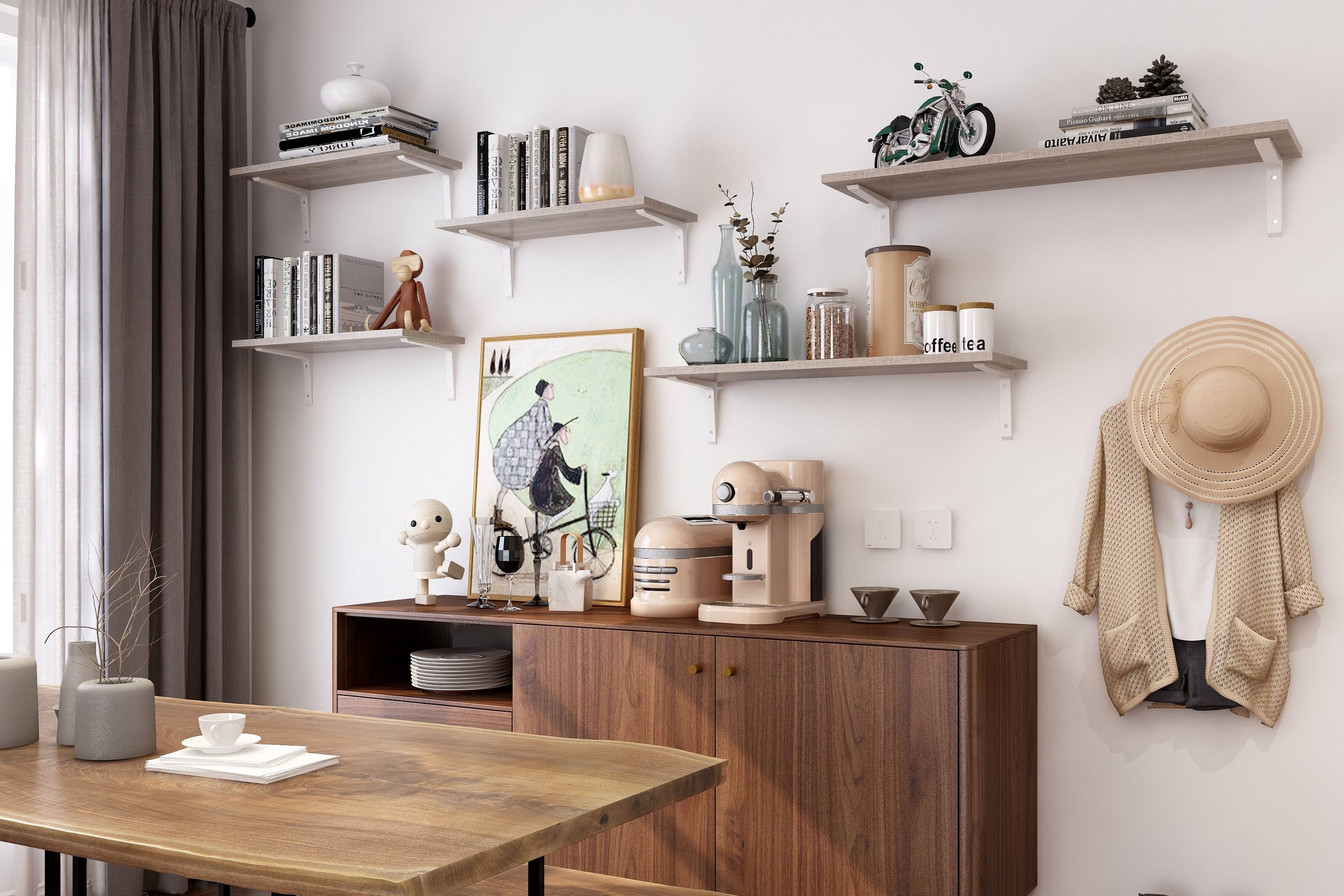
The home storage landscape is experiencing a revolutionary transformation as we approach 2026, with smart modularity and invisible design principles leading the charge in residential organization solutions.
These emerging home storage trends represent a fundamental shift away from traditional storage methods toward more sophisticated, technology-integrated systems that seamlessly blend functionality with aesthetic appeal. Modern homeowners are increasingly demanding storage solutions that not only maximize space efficiency but also contribute to the overall design narrative of their living spaces, creating environments that feel both organized and visually uncluttered.
The convergence of technological advancement and design innovation has created unprecedented opportunities for storage manufacturers and interior designers to develop solutions that address both practical needs and aesthetic preferences.
As urban living spaces continue to shrink and property values rise, the importance of efficient storage has never been more critical, making these emerging home storage trends essential considerations for anyone involved in residential design or renovation projects.
Smart Modularity Revolution in Modern Storage
Adaptive Configuration Systems
Smart modularity represents one of the most significant home storage trends shaping the industry, offering unprecedented flexibility through adaptive configuration systems that can evolve with changing needs and living situations. These systems utilize standardized connection interfaces and dimensional frameworks that allow components to be easily recombined, expanded, or reconfigured without requiring specialized tools or professional installation services.
Advanced modular systems incorporate intelligent design elements such as universal mounting brackets, standardized spacing measurements, and compatibility matrices that ensure seamless integration across different product lines and manufacturers. The BOMEDA Storing Board exemplifies this trend with its precision-engineered dimensions (available in lengths such as 591mm, 791mm, and 891mm) that facilitate consistent alignment and combination, empowering users to build custom solutions. This standardization approach reflects broader home storage trends toward interoperability and user empowerment, allowing consumers to create customized solutions that perfectly match their specific spatial constraints and organizational requirements without being locked into single-vendor ecosystems.
The manufacturing benefits of modular systems extend beyond consumer convenience, enabling producers to achieve economies of scale while offering seemingly unlimited customization options. By focusing production on standardized core components that can be combined in multiple configurations, manufacturers can reduce inventory complexity while still addressing diverse market segments and individual preferences that drive contemporary home storage trends.
Technology Integration Platforms
The integration of smart technology into modular storage systems represents a convergence of several important home storage trends, including automation, connectivity, and data-driven optimization. Modern storage modules increasingly incorporate sensors, actuators, and communication capabilities that enable features such as automated inventory tracking, climate control, and remote monitoring through smartphone applications. These technological enhancements transform passive storage into active organizational tools that can learn user patterns and suggest optimizations.
Advanced technology platforms within modular systems can monitor usage patterns, environmental conditions, and content management behaviors to provide insights and recommendations that improve storage efficiency over time. For example, sensors can track which items are accessed frequently and suggest relocating them to more convenient positions, while environmental monitoring can alert users to conditions that might damage stored items, reflecting the predictive capabilities that define cutting-edge home storage trends.
The wireless connectivity features built into smart modular systems enable integration with broader home automation ecosystems, allowing storage solutions to interact with lighting, security, and climate control systems. This interconnectivity represents a fundamental shift in how we conceptualize storage, moving from isolated furniture pieces to integrated components of intelligent living environments that exemplify the most forward-thinking home storage trends.
Invisible Design Principles and Implementation
Concealed Integration Strategies
Invisible design principles represent another cornerstone of emerging home storage trends, focusing on the seamless integration of storage functionality into existing architectural elements without disrupting visual continuity or spatial flow. This approach recognizes that visible storage, regardless of how well-designed, can create visual clutter and reduce the perceived spaciousness of interior environments.
The implementation of invisible storage requires sophisticated planning and precision manufacturing to ensure that concealed elements operate smoothly while maintaining their hidden nature during normal use. The sleek, uniform profile and clean white finish of the BOMEDA Storing Board make it an ideal candidate for such applications, as it can blend discreetly into wall systems or built-in cabinetry. These home storage trends demand higher levels of craftsmanship and attention to detail, as any visible hardware, gaps, or operational irregularities can compromise the illusion of seamless integration that defines successful invisible design implementations.
Advanced concealed integration often involves custom fabrication and site-specific installation procedures that require collaboration between storage manufacturers, architects, and skilled installers. This collaborative approach ensures that invisible storage elements align perfectly with existing architectural features and maintain their concealed nature while providing reliable, long-term functionality that meets the demanding performance standards associated with premium home storage trends.
Architectural Harmony Techniques
Achieving architectural harmony through invisible storage design requires deep understanding of both structural principles and aesthetic relationships that govern successful interior environments. These home storage trends emphasize the importance of maintaining consistent material palettes, proportional relationships, and visual rhythms that allow storage elements to disappear into the broader design context. Successful architectural harmony ensures that storage solutions enhance rather than compete with the existing design elements.
The selection of materials, finishes, and hardware for invisible storage systems must align perfectly with surrounding architectural elements to maintain the illusion of seamless integration. This attention to material consistency extends to details such as wood grain matching, paint color coordination, and hardware selection that reflects broader design themes rather than introducing discordant elements that might reveal the presence of concealed storage features.
Professional implementation of architectural harmony techniques often requires collaboration between multiple design disciplines, including interior designers, cabinet makers, and finishing specialists who understand the nuanced requirements that define successful invisible storage applications. This collaborative approach ensures that concealed storage elements contribute to rather than detract from the overall design vision while meeting the functional requirements that justify their inclusion in contemporary home storage trends.
Market Impact and Consumer Adoption Patterns
Demographic Driving Forces
The adoption patterns for advanced home storage trends reflect significant demographic shifts and changing lifestyle preferences that influence residential design priorities. Millennials and Generation Z consumers demonstrate strong preferences for minimalist aesthetics, technological integration, and flexible living arrangements that align perfectly with modular and invisible storage solutions. These demographic groups value experiences over possessions but still require efficient organization for their carefully curated belongings, creating demand for storage solutions that maximize utility while minimizing visual impact.
Urban professionals represent another key demographic driving these home storage trends, as they often live in smaller spaces with higher per-square-foot costs that make efficient storage essential for maintaining comfortable living conditions. This group typically has higher disposable incomes and greater willingness to invest in premium storage solutions that offer long-term value through adaptability and technological features that enhance daily living experiences.
The aging baby boomer population also influences home storage trends through their needs for accessible, low-maintenance solutions that can adapt to changing physical capabilities while maintaining the aesthetic standards they established during their peak earning years. This demographic values quality construction and timeless design principles that ensure storage investments remain relevant and functional throughout extended periods of use.
Economic and Market Dynamics
The economic factors driving home storage trends include rising real estate costs, increased focus on home value optimization, and growing awareness of the financial benefits associated with efficient organization systems. Homeowners increasingly view storage investments as value-adding improvements rather than simple furniture purchases, leading to greater willingness to invest in premium solutions that offer superior functionality and longevity.
Market dynamics within the storage industry reflect broader trends toward customization, sustainability, and technological integration that influence product development priorities and pricing strategies. Manufacturers who successfully incorporate these elements into their offerings can differentiate themselves from competitors while addressing the evolving preferences that define contemporary home storage trends. The ability to offer customization without sacrificing production efficiency has become a key competitive advantage in this rapidly evolving market.
Supply chain considerations and manufacturing innovations continue to shape the availability and pricing of advanced storage solutions, with companies investing in flexible production capabilities that can support the customization and rapid iteration cycles demanded by current home storage trends. These investments in manufacturing flexibility enable companies to respond quickly to emerging preferences while maintaining cost structures that support sustainable business growth.
Future Outlook and Industry Predictions
Emerging Technology Integration
The future trajectory of home storage trends points toward even deeper integration of emerging technologies such as artificial intelligence, augmented reality, and advanced materials science that will fundamentally transform how we conceptualize and interact with storage systems. Artificial intelligence applications will enable storage systems to learn and adapt to user behaviors automatically, optimizing organization strategies and predicting storage needs based on lifestyle patterns and seasonal variations. These intelligent systems will represent a significant evolution beyond current smart storage offerings.
Augmented reality technologies will revolutionize the design and installation process for custom storage solutions, allowing consumers to visualize potential configurations and modifications in real-time before committing to specific arrangements. This technology will reduce the uncertainty associated with custom storage investments while enabling more creative and personalized solutions that reflect individual preferences and spatial constraints. The integration of AR technology represents one of the most exciting developments in emerging home storage trends.
Advanced materials science continues to create opportunities for storage solutions that offer improved performance characteristics such as enhanced durability, reduced weight, antimicrobial properties, and improved sustainability profiles. These material innovations will enable storage systems that better align with health and environmental concerns while offering superior functionality and longevity compared to traditional solutions, supporting the premium positioning that characterizes leading home storage trends.
Sustainability and Environmental Considerations
Environmental consciousness represents an increasingly important factor in home storage trends, with consumers demanding solutions that minimize environmental impact through sustainable materials, efficient manufacturing processes, and end-of-life recyclability considerations. Manufacturers are responding by developing storage systems that incorporate recycled content, utilize renewable materials, and employ production methods that reduce carbon footprints while maintaining the performance standards required for premium applications.
The circular economy principles are influencing storage design philosophies, with emphasis on modularity and upgradability that extends product lifecycles and reduces waste generation. These approaches align with broader sustainability goals while supporting the adaptability features that define contemporary home storage trends. The ability to upgrade or reconfigure existing systems rather than replacing them entirely represents a significant advantage from both environmental and economic perspectives.
Certification programs and environmental standards are becoming increasingly important factors in product selection, with consumers seeking storage solutions that meet recognized sustainability criteria. This trend toward environmental accountability is driving innovation in materials selection, manufacturing processes, and packaging approaches that minimize environmental impact while supporting the performance requirements associated with premium home storage trends.
Frequently Asked Questions
What makes modular storage systems more versatile than traditional storage solutions?
Modular storage systems offer superior versatility through standardized connection interfaces and dimensional frameworks that allow components to be easily recombined, expanded, or reconfigured without specialized tools or professional installation. Products designed with this philosophy, such as the BOMEDA Storing Board which comes in multiple standardized lengths, provide this essential flexibility. This adaptability ensures that storage solutions can evolve with changing needs, household growth, or lifestyle modifications, making them more cost-effective long-term investments compared to traditional fixed storage solutions that may become obsolete when circumstances change.
How do invisible design principles improve home aesthetics while maintaining functionality?
Invisible design principles enhance home aesthetics by seamlessly integrating storage functionality into existing architectural elements without disrupting visual continuity or spatial flow. This approach eliminates visual clutter associated with visible storage while maintaining or even improving organizational capacity through techniques such as concealed compartments, false walls, and furniture with integrated storage features that preserve clean, uncluttered interior environments.
What technological features are becoming standard in smart storage systems?
Smart storage systems increasingly incorporate sensors for automated inventory tracking, environmental monitoring capabilities, wireless connectivity for smartphone app integration, and compatibility with home automation ecosystems. These features enable functionalities such as usage pattern analysis, climate control alerts, remote monitoring, and integration with lighting or security systems, transforming passive storage into active organizational tools that optimize efficiency through data-driven insights and automated adjustments.
How do current home storage trends address sustainability and environmental concerns?
Current home storage trends address sustainability through the use of recycled and renewable materials, efficient manufacturing processes that reduce carbon footprints, and modular designs that extend product lifecycles through upgradability and reconfiguration capabilities. These approaches support circular economy principles by minimizing waste generation and enabling components to be reused or recycled at end-of-life, while certification programs help consumers identify products that meet recognized environmental standards.