 EN
EN

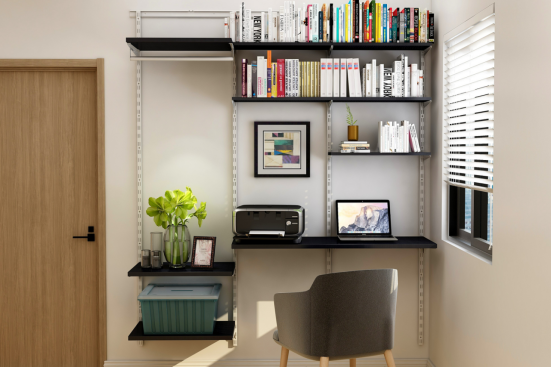
Negli attuali ambienti abitativi e lavorativi sempre più compatti, la pressione per sfruttare al meglio ogni metro quadrato non è mai stata così elevata. Che si tratti di arredare un appartamento in città, un ufficio domestico, una vetrina commerciale o uno spazio lavorativo professionale, la sfida di coniugare funzionalità ed estetica è costante. È proprio in questo contesto che mensole murali sono diventati una delle soluzioni più affidabili nella progettazione moderna di interni e di spazi. Trasformano lo spazio verticale inutilizzato in aree funzionali, ordinate e visivamente accattivanti per la conservazione e l’esposizione.
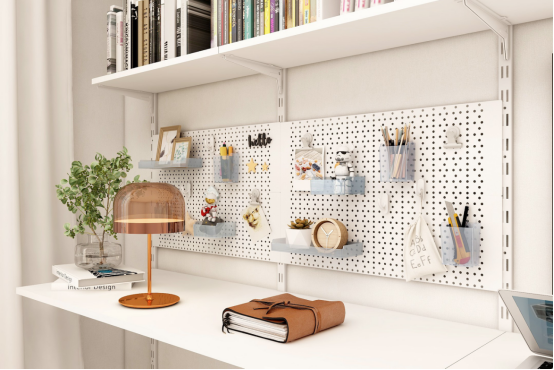
La filosofia progettuale alla base degli interni a risparmio di spazio è evoluta in modo significativo negli ultimi dieci anni. Il minimalismo, i mobili modulari e la conservazione verticale non sono più semplici tendenze, ma risposte pratiche alla riduzione delle superfici disponibili e all’aumento dei costi immobiliari. Le mensole da parete rappresentano il punto d’incontro di tutti questi approcci, offrendo una soluzione per riporre, esporre e organizzare gli oggetti senza sacrificare prezioso spazio sul pavimento. Comprendere perché siano essenziali nella progettazione moderna a risparmio di spazio significa analizzare il loro funzionamento, i vantaggi strutturali ed estetici che offrono e i contesti in cui determinano la differenza più netta nell’effettiva fruibilità di una stanza.
La dimensione verticale: come le mensole da parete liberano spazio che il pavimento non può offrire
Recupero dello spazio verticale inutilizzato
La maggior parte delle disposizioni degli ambienti è progettata con un approccio orizzontale: i mobili sono disposti in piano sul pavimento, lasciando ampie porzioni di parete inutilizzate. Tuttavia, le pareti rappresentano una percentuale significativa della superficie totale di qualsiasi ambiente. Le mensole da parete sono state appositamente progettate per sfruttare questa dimensione verticale, creando zone utilizzabili per la conservazione e l’esposizione che non influiscono affatto sulla superficie calpestabile dell’ambiente.
Ciò risulta particolarmente cruciale negli ambienti urbani ad alta densità, dove gli ambienti possono misurare soltanto pochi metri quadrati. Una classica libreria o un armadio autonomo occuperanno una porzione evidente di tale spazio. Al contrario, le mensole da parete montate a diverse altezze possono contenere un volume equivalente di oggetti mantenendo il pavimento completamente libero. Questa apertura ha un profondo effetto psicologico: gli ambienti appaiono più ampi, più ariosi e meno affollati, anche quando contengono lo stesso numero di oggetti.
In contesti professionali e al dettaglio, le mensole a muro consentono alle aziende di massimizzare la visualizzazione dei prodotti o lo stoccaggio dei materiali senza dover investire in locali più ampi. Questa logica verticale è alla base del motivo per cui le mensole a muro non sono semplici elementi decorativi, bensì veri e propri strumenti abilitanti dell’efficienza spaziale.
Il rapporto tra l’altezza delle mensole e la percezione dello spazio
La posizione verticale delle mensole a muro lungo una parete influenza direttamente la sensazione di ampiezza di una stanza. Le mensole montate in alto attirano lo sguardo verso l’alto, creando una forte impressione visiva di altezza del soffitto e di ampiezza. Questa tecnica è ampiamente utilizzata da interior designer che operano in ambienti con soffitti bassi o stanze strette, dove i limiti architettonici non possono essere modificati, ma possono essere abilmente mascherati.
Disposizioni sfalsate di mensole a muro — in cui le unità sono posizionate a diverse altezze e profondità — introducono dinamismo visivo e contribuiscono a definire zone funzionali all’interno di un unico spazio open space. Un’area soggiorno, un angolo lettura e un angolo ufficio domestico possono coesistere nello stesso ambiente quando le mensole a muro vengono utilizzate per delimitare ciascuna zona senza installare barriere fisiche.
La possibilità di personalizzare l’altezza delle mensole è particolarmente importante per gli utenti con esigenze di stoccaggio diverse. Mensole a muro fisse di profondità differenti — ad esempio da 200 mm per oggetti decorativi leggeri o da 400 mm per materiali più pesanti — consentono agli utenti di adattare con precisione la propria capacità di stoccaggio verticale alle proprie necessità: un livello di adattabilità che i mobili autonomi raramente offrono.
Materiale e qualità costruttiva: perché le mensole a muro in acciaio offrono prestazioni superiori nei contesti moderni
Integrità strutturale senza ingombro
Uno dei requisiti fondamentali per le mensole a muro nel design moderno è la capacità di sostenere carichi significativi senza apparire massicce o dominanti nello spazio. Le mensole a muro in acciaio rispondono a questa sfida grazie alla loro eccezionale efficienza strutturale. L'acciaio offre un elevato rapporto tra resistenza e volume, il che significa che un profilo di mensola relativamente sottile può sostenere un peso considerevole — sia esso costituito da libri, dispositivi elettronici, articoli da cucina o materiali per il laboratorio.
Questa è una distinzione fondamentale nel design finalizzato al risparmio di spazio: una mensola che appare minimal ma offre prestazioni massime è molto più preziosa di un’ingombrante unità di scaffalatura che garantisce la stessa capacità di stoccaggio a scapito del peso visivo. Le mensole a muro in acciaio mantengono linee pulite e un profilo visivo contenuto, offrendo al contempo prestazioni di portata che legno o materiali compositi potrebbero faticare a eguagliare con spessori comparabili.
Per applicazioni commerciali come magazzini, officine, cucine o espositori al dettaglio, le mensole da parete in acciaio offrono anche resistenza alla deformazione, all’assorbimento di umidità e alle variazioni di temperatura — fattori che possono compromettere le prestazioni a lungo termine di materiali alternativi in ambienti gravosi.
Durata come investimento a lungo termine per il risparmio di spazio
Il design per il risparmio di spazio non riguarda soltanto il risultato visivo o funzionale immediato, ma l’utilizzo sostenibile dello spazio nel tempo. Le mensole da parete realizzate in acciaio di alta qualità rappresentano un investimento a lungo termine proprio perché non si degradano, non cedono né richiedono sostituzione nei brevi cicli tipici di scaffalature di qualità inferiore.
Dal punto di vista del costo totale, gli scaffali murali durevoli riducono la frequenza delle sostituzioni, la necessità di una reinstallazione professionale e il rischio che gli oggetti immagazzinati vengano danneggiati a causa del cedimento degli scaffali. Per utenti sia residenziali che commerciali, questa durata si traduce direttamente in un funzionamento costante, elemento fondamentale per una pianificazione efficace degli spazi.
Una finitura come la verniciatura a polvere bianca — comune negli scaffali murali in acciaio moderni — aggiunge inoltre una protezione contro la corrosione, garantendo al contempo l’allineamento dell’unità con le palette cromatiche interne contemporanee. Il risultato è uno scaffale che mantiene il proprio aspetto estetico impeccabile anche dopo anni di utilizzo, un fattore particolarmente importante in ambienti rivolti al cliente o in contesti residenziali di fascia alta.
Adattabilità a diversi tipi di ambiente e casi d’uso
Versatilità residenziale: dalla cucina alla camera da letto
Uno dei motivi più forti per cui le mensole a muro sono diventate essenziali negli interni moderni è la loro versatilità trasversale alle diverse stanze. In cucina, le mensole a muro montate sopra i piani di lavoro liberano spazio operativo, mantenendo gli utensili da cucina a portata di mano. In bagno, sostituiscono gli ingombranti armadietti a terra con pratici contenitori a muro per articoli da toeletta e asciugamani. In camera da letto, fungono da comodini minimalisti oppure sostituiscono gli armadi quando mensole ottimizzate in profondità contengono capi piegati senza invadere lo spazio di passaggio.
Gli studi domestici — una categoria la cui rilevanza è cresciuta in modo significativo negli ultimi anni — fanno ampio affidamento sulle mensole a muro per tenere ordinati materiali di lavoro, libri di consultazione e dispositivi tecnologici, senza trasformare una stanza o un angolo in eccesso in un problema di stoccaggio. Il montaggio delle mensole all’altezza della scrivania crea uno spazio di archiviazione ergonomicamente funzionale, che mantiene tutto facilmente accessibile senza occupare lo spazio di un apposito armadio per fascicoli o di una libreria.
La possibilità di selezionare mensole da parete con diverse larghezze e profondità — ad esempio, elementi larghi 800 mm con opzioni di profondità comprese tra 200 mm e 400 mm — consente agli utenti di adattare con precisione il formato della mensola alle esigenze specifiche di ogni ambiente, anziché accontentarsi di soluzioni di archiviazione standardizzate.
Applicazioni Commerciali e Industriali
In ambito commerciale, le mensole da parete svolgono un ruolo altrettanto essenziale. Negli ambienti al dettaglio vengono utilizzate per creare sistemi espositivi verticali che massimizzano il numero di prodotti esposti per metro quadrato. Quando lo spazio a terra è direttamente correlato al costo dell’affitto, ogni articolo posizionato su una mensola da parete rappresenta un ritorno diretto su tale investimento spaziale.
Officine, laboratori e ambienti industriali leggeri fanno affidamento sulle mensole da parete per organizzare utensili, componenti e materiali di consumo in modo facilmente accessibile, pur lasciando libero il pavimento. Questo non è semplicemente una questione di comfort: negli ambienti di lavoro, un pavimento sgombro costituisce un requisito di sicurezza, rendendo le mensole da parete una scelta rilevante non solo dal punto di vista pratico, ma anche ai fini della conformità normativa.
Anche gli ambienti di ospitalità e di ristorazione traggono notevoli benefici dagli scaffali a muro nelle aree di preparazione, nei locali di stoccaggio e nei corridoi di servizio, dove gli ostacoli a livello del pavimento creano inefficienze operative. La combinazione di superfici in acciaio igieniche, capacità di carico e ottimizzazione degli spazi rende gli scaffali a muro una scelta operativamente solida in questi contesti particolarmente impegnativi.
Integrazione estetica: come gli scaffali a muro definiscono la logica visiva di una stanza
Minimalismo e filosofia della parete pulita
Il design d’interni moderno ha sempre più abbracciato la filosofia della parete pulita, ossia l’idea che le stanze dovrebbero presentare il minor numero possibile di interruzioni del flusso visivo. Paradossalmente, gli scaffali a muro sono uno degli strumenti più efficaci per sostenere questo approccio. Concentrando infatti immagazzinamento ed esposizione in zone deliberate e ben definite sulla parete, essi evitano il caos visivo derivante da mobili sparsi a livello del pavimento e da disordine sulle superfici.
Quando le mensole a muro vengono scelte tenendo conto della palette cromatica e dello schema materico della stanza, si integrano armoniosamente nel design complessivo anziché contrastare con esso. Le mensole in acciaio bianco, ad esempio, si fondono naturalmente con le pareti chiare tipiche degli interni scandinavi, contemporanei e minimalisti, creando un aspetto coerente in cui funzione e forma risultano indistinguibili.
La disciplina visiva che mensole a muro ben scelte impongono a uno spazio — zone definite, linee nette, organizzazione intenzionale — è essa stessa un valore aggiunto dal punto di vista progettuale. Le stanze dotate di mensole a muro posizionate con cura appaiono più intenzionali, più ricercate e, in definitiva, più appetibili: un aspetto di grande rilevanza per la home staging, la presentazione commerciale e gli ambienti brand nel settore dell’ospitalità.
Creazione di punti focali e gerarchia progettuale
Oltre alla semplice funzione di stoccaggio, le mensole a muro sono strumenti potenti per creare punti focali visivi. Un raggruppamento accuratamente disposto di mensole a muro — con libri, piante, oggetti o esposizioni di prodotti — conferisce alla stanza un naturale centro d'attenzione e racconta una storia sullo spazio e sui suoi occupanti. Questa qualità narrativa è sempre più apprezzata sia nel design residenziale sia negli ambienti commerciali e di branding.
La gerarchia progettuale — il principio secondo cui alcuni elementi di una stanza devono essere percepiti come primari e altri come secondari — risulta più facile da realizzare quando le mensole a muro vengono utilizzate per strutturare ciò che viene esposto e ciò che viene nascosto. Gli oggetti posti su mensole a muro aperte sono implicitamente presentati come degni di attenzione, incoraggiando così gli utenti a selezionare con cura i contenuti e a mantenere spazi ordinati ed esteticamente gradevoli, anziché lasciare che le superfici si riempiano di oggetti casuali.
Da un punto di vista progettuale pratico, le mensole da parete offrono agli interior designer e ai progettisti di spazi una variabile altamente controllabile: possono essere riposizionate, sostituite o integrate senza la necessità di interventi edilizi importanti, rendendole uno strumento agile nelle strategie evolutive per il risparmio di spazio.
Considerazioni sull’installazione e prontezza operativa
Tipo di parete, distribuzione del carico e logica di fissaggio
L’efficacia delle mensole da parete in qualsiasi strategia per il risparmio di spazio dipende in larga misura dal modo in cui vengono installate. Il tipo di parete — in calcestruzzo, cartongesso, mattoni o intelaiatura in legno — determina l’hardware di fissaggio appropriato e il carico massimo che può essere supportato in modo affidabile. Le mensole da parete in acciaio, in particolare quelle progettate per ambienti ad uso intensivo o funzionali, richiedono generalmente un fissaggio su ancoraggi solidi nella parete o direttamente nei montanti strutturali per garantire il raggiungimento della capacità di carico dichiarata.
Comprendere la distribuzione del carico è altrettanto importante. Una mensola larga singola che sostiene oggetti pesanti deve essere fissata a più punti per evitare sollecitazioni torsionali sui fissaggi a parete. Questo non è un limite specifico delle mensole a muro — si applica a qualsiasi elemento montato a parete — ma rappresenta un fattore da considerare attentamente nella fase di progettazione, al fine di garantire sicurezza e prestazioni durature.
I produttori che forniscono mensole a muro complete di kit di fissaggio, con indicazioni chiare sui carichi massimi ammissibili e con istruzioni dettagliate passo-passo per l’installazione riducono in modo significativo la complessità per l’utente finale, rendendo possibile un’installazione di qualità professionale anche senza l’intervento di specialisti, per applicazioni residenziali standard.
Progettare le configurazioni delle mensole per massimizzare l’efficienza dello spazio
Per sfruttare al meglio le mensole a muro in un contesto di risparmio di spazio, è necessaria una pianificazione preliminare delle configurazioni delle mensole. Gli utenti devono definire l’estensione verticale dello spazio disponibile sulla parete, individuare eventuali ostacoli, come prese elettriche, interruttori della luce o punti di ventilazione, e quindi progettare una disposizione delle mensole che tenga conto di questi vincoli, massimizzando al contempo il volume di stoccaggio utilizzabile.
La scelta della profondità riveste un’importanza notevole in questa fase di pianificazione. Mensole a muro più strette — ad esempio con profondità di 200 mm o 250 mm — sono ideali per oggetti leggeri e per ambienti in cui lo spazio libero tra pavimento e mensola è limitato, come nei corridoi stretti. Mensole più profonde, comprese tra i 300 mm e i 400 mm, sono adatte alla conservazione in cucina, all’organizzazione in officina o alla vetrina commerciale, dove il volume degli oggetti da riporre è maggiore e il supporto strutturale è garantito da fissaggi a muro adeguatamente dimensionati.
Progettare mensole da parete in coppie o set garantisce anche coerenza visiva e consente un approccio modulare, in cui il sistema di archiviazione può crescere progressivamente al variare delle esigenze, anziché richiedere una sostituzione completa quando è necessaria ulteriore capacità.
Domande frequenti
Qual è la profondità ideale per le mensole da parete in un piccolo appartamento?
Per i piccoli appartamenti, le mensole da parete con una profondità compresa tra 200 mm e 250 mm sono generalmente la scelta più pratica. Offrono uno spazio di archiviazione sufficiente per libri, oggetti decorativi e articoli di uso quotidiano, senza sporgere eccessivamente nella stanza. Mensole da parete più sottili si adattano inoltre meglio a corridoi stretti, sopra le scrivanie e nei bagni, dove lo spazio libero è limitato.
Quanto peso possono generalmente sostenere le mensole da parete in acciaio?
La capacità di carico delle mensole a muro in acciaio varia in base alle dimensioni della mensola, allo spessore dell'acciaio, al design dei supporti e, in particolare, alla qualità del fissaggio alla parete. Mensole a muro in acciaio ben costruite e montate correttamente su pareti solide o su montanti strutturali possono generalmente sostenere un carico compreso tra 15 kg e 50 kg per mensola; tuttavia, gli utenti devono sempre consultare le specifiche di carico indicate dal produttore per il prodotto specifico che stanno installando.
Le mensole a muro possono essere utilizzate in ambienti umidi come cucine e bagni?
Sì, le mensole a muro in acciaio con finitura a polvere sono particolarmente adatte per l’uso in cucina e in bagno. La verniciatura a polvere fornisce una barriera protettiva contro l’umidità, prevenendo la formazione di ruggine e il degrado superficiale nel tempo. È importante assicurarsi che anche i tasselli e i sistemi di fissaggio utilizzati siano resistenti alla corrosione, per preservare l’integrità complessiva dell’installazione in condizioni di elevata umidità.
In che modo le mensole a muro contribuiscono a uno schema di design d’interni minimalista?
Le mensole a muro supportano il design minimalista sollevando gli oggetti da riporre dal pavimento, riducendo il disordine visivo e concentrandoli in zone deliberate e accuratamente selezionate. Quando scelte in colori neutri e con design dalle linee pulite, le mensole a muro si fondono esteticamente nello sfondo di una stanza, pur svolgendo importanti funzioni organizzative. Questa combinazione di sobrietà visiva e utilità pratica è al centro della filosofia minimalista per gli interni.
Sommario
- La dimensione verticale: come le mensole da parete liberano spazio che il pavimento non può offrire
- Materiale e qualità costruttiva: perché le mensole a muro in acciaio offrono prestazioni superiori nei contesti moderni
- Adattabilità a diversi tipi di ambiente e casi d’uso
- Integrazione estetica: come gli scaffali a muro definiscono la logica visiva di una stanza
- Considerazioni sull’installazione e prontezza operativa
-
Domande frequenti
- Qual è la profondità ideale per le mensole da parete in un piccolo appartamento?
- Quanto peso possono generalmente sostenere le mensole da parete in acciaio?
- Le mensole a muro possono essere utilizzate in ambienti umidi come cucine e bagni?
- In che modo le mensole a muro contribuiscono a uno schema di design d’interni minimalista?