 EN
EN

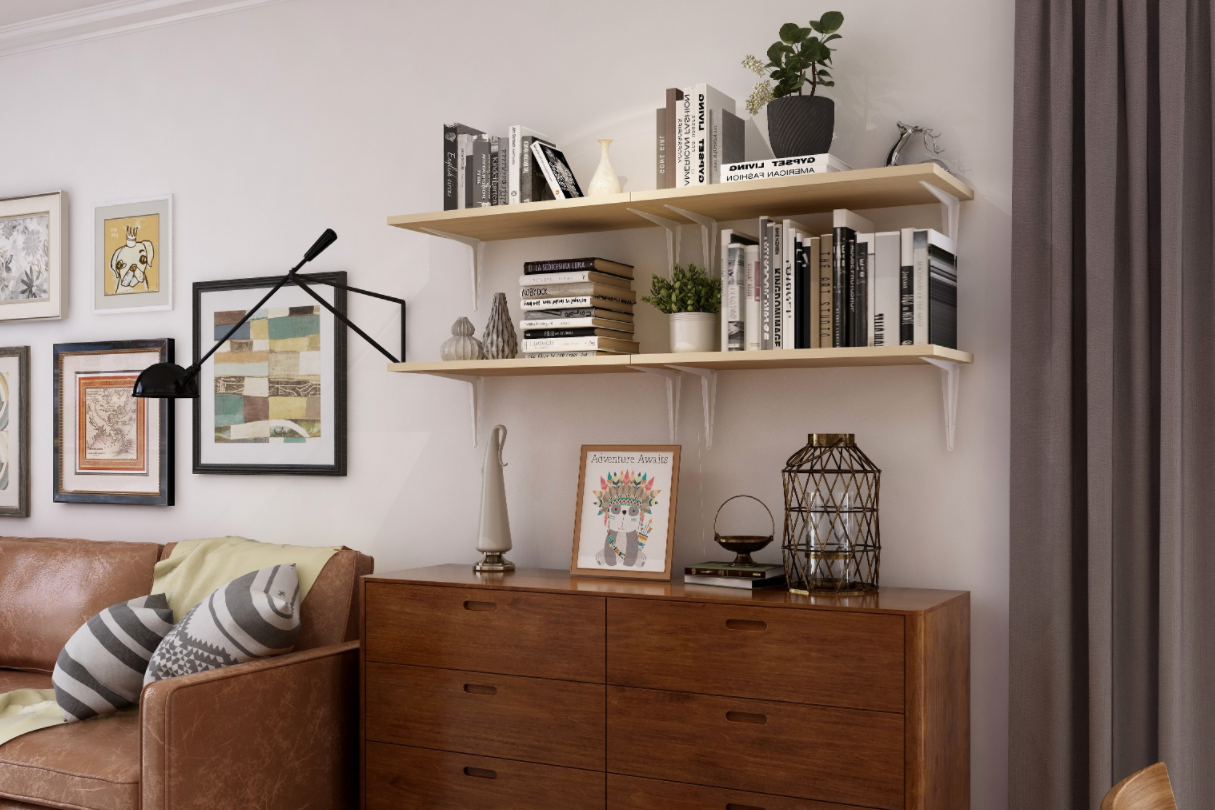
Selecting the appropriate brackets for wooden shelves is a critical decision that impacts both functionality and aesthetics in any space.
Whether you're installing shelving in a home office, garage workshop, or commercial environment, the right bracket choice determines load capacity, durability, and overall visual appeal. Understanding the various types of brackets for wooden shelves available in today's market helps ensure your shelving project meets both practical requirements and design expectations. Modern bracket systems, such as those offered by BOMEDA, provide unprecedented versatility and design-conscious options, allowing property owners to create custom storage solutions that maximize space efficiency while maintaining structural integrity and modern style.
Understanding Different Types of Shelf Brackets
Traditional L-Shaped Brackets
L-shaped brackets represent the most common and versatile option for supporting wooden shelves in residential and commercial applications. These brackets feature a simple right-angle design that provides excellent load distribution across both vertical and horizontal planes. The vertical arm attaches securely to wall studs or appropriate anchors, while the horizontal arm supports the shelf weight effectively. Quality L-shaped brackets for wooden shelves typically incorporate reinforcement ribs or gussets that prevent deflection under heavy loads, ensuring long-term reliability and safety.
Manufacturing materials for L-shaped brackets vary significantly, with options including galvanized steel, stainless steel, aluminum, and powder-coated finishes. Each material offers distinct advantages depending on environmental conditions and aesthetic preferences. Galvanized steel provides excellent corrosion resistance for garage or basement installations, while stainless steel delivers superior durability in humid environments like bathrooms or kitchens. Aluminum brackets offer lightweight characteristics ideal for temporary installations or situations requiring frequent adjustments.
Floating Shelf Brackets
Floating shelf systems create clean, minimalist appearances by concealing support mechanisms within the shelf structure itself. These specialized brackets for wooden shelves require precise installation techniques and specific shelf preparations to achieve proper functionality. The bracket rod typically inserts into a drilled channel within the wooden shelf, creating the illusion of a shelf that appears to float independently from the wall surface. This design approach works exceptionally well in modern interior spaces where clean lines and uncluttered aesthetics take priority.
Installation complexity increases with floating bracket systems, as proper alignment and shelf preparation become critical success factors. The wooden shelf must accommodate the bracket rod diameter precisely, and the wall mounting points require accurate positioning to ensure level installation. Load capacity limitations often apply to floating brackets for wooden shelves, making them more suitable for decorative items, books, or lightweight storage rather than heavy equipment or tools.
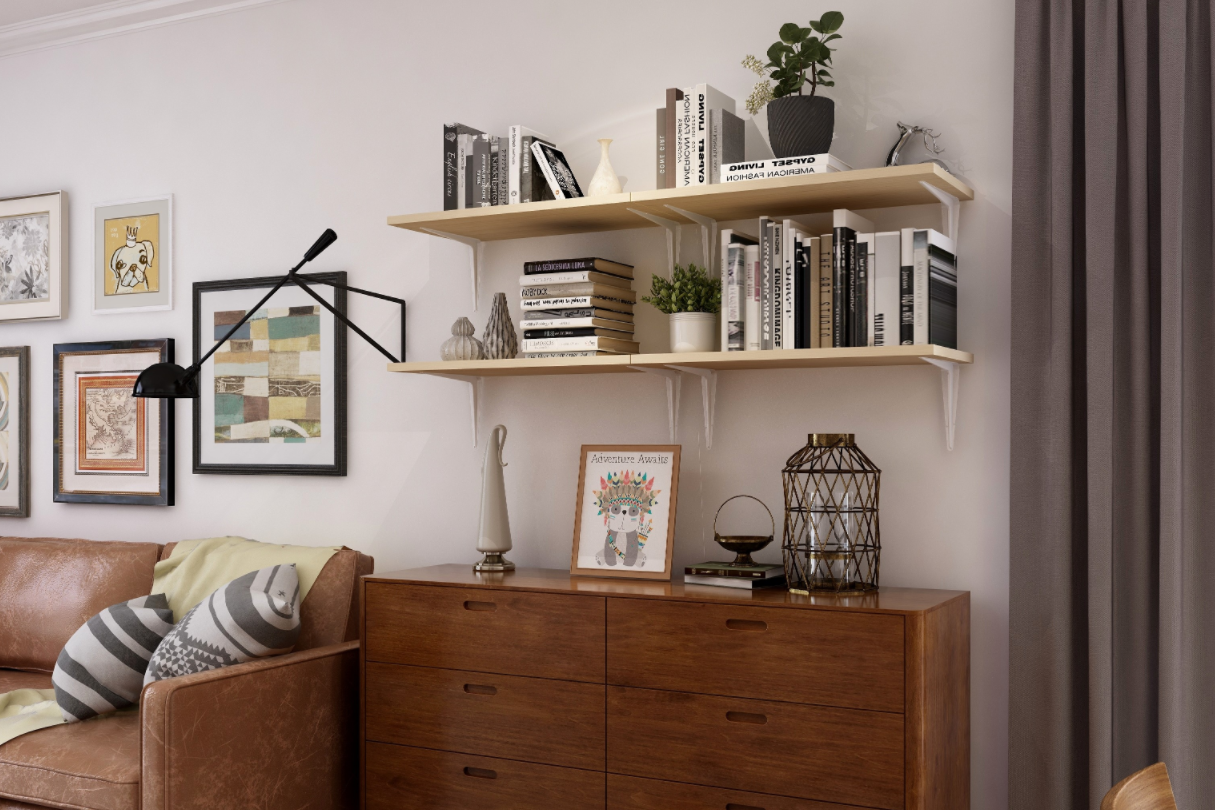
Material Considerations and Load Capacity
Steel Bracket Performance
Steel construction provides superior strength characteristics for heavy-duty applications requiring robust brackets for wooden shelves. Cold-rolled steel brackets offer exceptional load-bearing capabilities, making them ideal for workshop environments, storage rooms, or commercial installations where shelves must support substantial weight loads. The manufacturing process for steel brackets typically involves precision cutting, forming, and welding operations that create consistent quality and dimensional accuracy across production runs.
Surface treatments for steel brackets enhance both durability and appearance characteristics. Powder coating applications provide excellent corrosion protection while offering extensive color options to match existing décor or equipment. Galvanization processes create zinc barrier coatings that prevent rust formation in humid or outdoor environments. Hot-dip galvanizing offers superior protection compared to electroplated alternatives, though it may result in slightly rougher surface textures that require consideration in visible applications.
Alternative Material Options
For those seeking a material that combines natural beauty with modern durability, innovative solutions like the BOMEDA Square Beech Wood Lamelle Bracket offer a unique approach. This bracket integrates a solid steel core for structural strength with a premium beech wood lamelle cover, creating a hybrid that supports significant weight while providing a warm, Scandinavian-inspired aesthetic. It exemplifies how material innovation can meet diverse needs.
Aluminum brackets deliver lightweight performance with excellent corrosion resistance properties, making them suitable for applications where weight reduction takes priority. Cast iron brackets offer traditional styling with exceptional durability characteristics, though their increased weight requires stronger wall anchoring systems. Modern manufacturing techniques allow cast iron brackets for wooden shelves to incorporate contemporary safety features while maintaining classic visual appeal.
Installation Techniques and Best Practices
Wall Stud Location and Anchoring
Proper wall stud identification forms the foundation for secure bracket installation that ensures long-term shelf stability and safety. Electronic stud finders provide reliable detection capabilities for standard wood frame construction, though magnetic alternatives work effectively for steel stud installations. Wall construction variations require different approaches, with hollow walls necessitating appropriate toggle bolts or molly anchors when stud mounting isn't feasible for brackets for wooden shelves installations.
Anchor selection depends heavily on wall material composition and expected load requirements. Masonry walls accommodate concrete anchors or expansion bolts that provide excellent holding power for heavy-duty applications. Drywall installations benefit from heavy-duty toggle anchors rated for appropriate weight capacities, though direct stud mounting always provides superior load distribution and long-term reliability. Professional installers often recommend using multiple attachment points to distribute loads evenly across wall surfaces.
Bracket Spacing and Level Installation
Optimal spacing between brackets for wooden shelves depends on shelf material, thickness, and anticipated load distributions. Standard recommendations suggest maximum spacing of 24 inches for solid wood shelves with moderate loads, though engineered lumber or plywood may require closer spacing to prevent sagging or deflection. Heavy loads or longer shelf spans necessitate additional support points to maintain structural integrity and prevent premature failure.
Level installation requires careful measurement and marking procedures to ensure professional results and proper functionality. Laser levels provide excellent accuracy for marking bracket positions across extended wall sections, while traditional bubble levels work effectively for shorter installations. Consistent height measurements prevent shelf slopes that create both aesthetic problems and functional issues with stored items sliding or shifting position over time.
Load Distribution and Safety Factors
Weight Calculation Methods
Accurate load calculations ensure that selected brackets for wooden shelves provide adequate safety margins for intended applications. Total weight calculations must include both shelf material weight and anticipated storage loads, with additional safety factors applied to account for dynamic loading conditions. Professional engineers typically recommend safety factors ranging from 2:1 to 4:1 depending on application criticality and potential consequences of failure.
Load distribution patterns affect bracket performance significantly, with concentrated loads creating higher stress levels than evenly distributed weights. Point loads from heavy equipment or dense storage containers require careful consideration when selecting bracket spacing and capacity ratings. Understanding load paths through bracket structures helps predict potential failure modes and implement appropriate preventive measures during design and installation phases.
Dynamic Loading Considerations
Real-world loading conditions often involve dynamic forces that exceed static weight calculations for stored items. Vibration from nearby equipment, seismic activity, or human interaction can create amplified stress levels that impact bracket performance over time. Quality brackets for wooden shelves incorporate design features that accommodate these dynamic conditions through appropriate materials selection and structural reinforcement strategies.
Fatigue resistance becomes particularly important in applications involving frequent loading changes or vibration exposure. Welded connections, sharp corners, and stress concentration points require careful evaluation to prevent crack initiation and propagation under cyclic loading conditions. Regular inspection schedules help identify potential problems before they compromise shelf safety or functionality.
Aesthetic Integration and Design Matching
Finish Options and Color Coordination
Surface finish selection for brackets for wooden shelves significantly impacts overall visual integration within existing spaces. Powder coating technologies offer extensive color matching capabilities, allowing brackets to complement existing hardware, fixtures, or decorative elements. For a distinctly natural and warm appearance, products like the BOMEDA Square Beech Wood Lamelle Bracket offer a ready-made finish that seamlessly integrates with wooden shelves, light wood furniture, and minimalist decors, often eliminating the need for custom finishing.
Texture variations create additional design opportunities through brushed, polished, or textured finish options. Brushed finishes help conceal minor scratches or wear patterns that develop during normal use, while polished surfaces provide contemporary appearances that complement modern design themes. Textured coatings offer improved grip characteristics and unique visual effects that enhance overall aesthetic appeal.
Style Compatibility Considerations
Traditional design themes often benefit from decorative brackets that incorporate ornate details, curved profiles, or period-appropriate styling elements. Victorian, colonial, or craftsman architectural styles require brackets for wooden shelves that complement existing design vocabulary through appropriate proportions and detail execution. Reproduction hardware manufacturers offer historically accurate options that maintain authenticity while meeting contemporary safety and performance standards.
Contemporary design approaches typically emphasize clean lines, minimal profiles, and understated hardware. The clean geometric square design and natural beech wood finish of a bracket like BOMEDA's offering are inherently suited to modern, Scandinavian, or rustic-modern interiors. Industrial styling incorporates exposed fasteners, raw materials, and utilitarian aesthetics that celebrate functional design principles.
Maintenance and Longevity Factors
Preventive Maintenance Strategies
Regular inspection protocols help identify potential problems with brackets for wooden shelves before they compromise safety or functionality. Visual examinations should focus on connection points, surface conditions, and signs of stress or deformation that might indicate overloading or fatigue conditions. Loose fasteners, surface corrosion, or visible cracking require immediate attention to prevent progressive deterioration.
Cleaning procedures vary depending on bracket materials and finish types. For brackets with a natural wood lamelle like the BOMEDA model, simply wiping with a slightly damp, soft cloth is sufficient; avoid harsh chemicals or abrasive pads that could damage the wood surface. For metal components, mild detergent solutions work effectively for most applications. Abrasive cleaning methods should always be avoided to prevent finish damage.
Replacement and Upgrade Considerations
Bracket replacement timing depends on usage patterns, environmental conditions, and observed performance characteristics over time. Heavy-duty applications may require more frequent inspections and potential replacements compared to light-duty decorative installations. Upgrading to higher capacity or more aesthetically suitable brackets for wooden shelves becomes necessary when storage requirements increase or design preferences evolve.
Compatibility considerations affect replacement options, as existing wall attachment points and shelf preparations may limit bracket selection possibilities. The versatility of a well-designed bracket, which offers both strength and timeless style, can be a wise long-term investment, reducing the need for frequent upgrades as trends change. Planning for future modifications during initial installation phases can simplify subsequent upgrades or reconfigurations.
Frequently Asked Questions
What weight capacity should I expect from standard brackets for wooden shelves?
Standard steel brackets typically support 50-150 pounds per pair when properly installed into wall studs, though exact capacity depends on bracket size, material thickness, and installation quality. Hybrid brackets that combine materials, such as a steel core with a wood exterior, are engineered to offer robust support suitable for books, decor, and moderate storage. Always check the manufacturer's specifications and consider safety factors when calculating load limits for your specific application.
How far apart should I space brackets for optimal shelf support?
Bracket spacing depends on shelf material and load requirements, with 16-24 inches being standard for solid wood shelves under moderate loads. Heavier loads or engineered lumber may require closer spacing at 12-16 inches. Longer spans without intermediate support increase deflection risk and may compromise both functionality and appearance over time.
Can I install heavy-duty brackets for wooden shelves in drywall without studs?
Heavy-duty installations require wall stud mounting for maximum safety and load capacity. Drywall-only installations should use appropriate toggle anchors rated for expected loads, but capacity will be significantly reduced compared to stud mounting. For shelves supporting substantial weight, always locate and use wall studs or consider alternative mounting solutions.
What maintenance do brackets for wooden shelves require over time?
Regular visual inspections every 6-12 months help identify loose fasteners, surface corrosion, or signs of overloading. Clean brackets periodically with appropriate products for their specific material type; for example, wood elements require gentle care to preserve their finish. Retighten fasteners as needed. Replace brackets showing signs of stress, deformation, or significant wear to maintain safety and performance standards.