 EN
EN

In today's environmentally conscious world, homeowners and businesses are increasingly seeking sustainable storage solutions that balance functionality with ecological responsibility.
The demand for eco-friendly storage systems has grown significantly as consumers recognize the importance of reducing their environmental footprint while maintaining organized, efficient living and working spaces. These innovative storage options represent a paradigm shift from traditional storage methods, offering durability, style, and environmental benefits that align with modern sustainability goals.
The evolution of storage design has embraced sustainability principles, incorporating recycled materials, renewable resources, and manufacturing processes that minimize environmental impact.
Modern sustainable storage solutions feature innovative designs that maximize space efficiency while reducing material waste, creating products that serve multiple functions and adapt to changing needs over time.
Environmental Benefits of Eco-Friendly Storage Systems
Reduced Carbon Footprint Through Material Selection
Sustainable storage solutions significantly reduce environmental impact through careful material selection and sourcing practices. Manufacturers prioritize recycled content, renewable materials, and locally sourced components to minimize transportation emissions and resource depletion. These materials often include reclaimed wood, recycled plastics, bamboo, and other rapidly renewable resources that regenerate quickly without depleting natural ecosystems.
The carbon footprint reduction extends beyond material selection to manufacturing processes that utilize renewable energy sources, water-efficient production methods, and waste reduction strategies. Many sustainable storage solutions incorporate closed-loop manufacturing systems where production waste becomes input material for new products, creating circular economy principles that eliminate waste streams entirely.
Long-Term Durability and Resource Conservation
Durability represents a cornerstone of sustainable storage solutions, as longer-lasting products reduce replacement frequency and overall resource consumption. High-quality construction techniques, reinforced joints, and weather-resistant finishes ensure these storage systems maintain functionality and appearance for decades, providing exceptional value while minimizing environmental impact over their entire lifecycle.
Resource conservation benefits extend to packaging and shipping practices, where sustainable storage solutions often feature flat-pack designs that reduce transportation volume, modular components that minimize packaging materials, and biodegradable or recyclable packaging materials that don't contribute to landfill waste.
Design Innovation in Modern Storage Solutions
Modular Systems for Maximum Flexibility
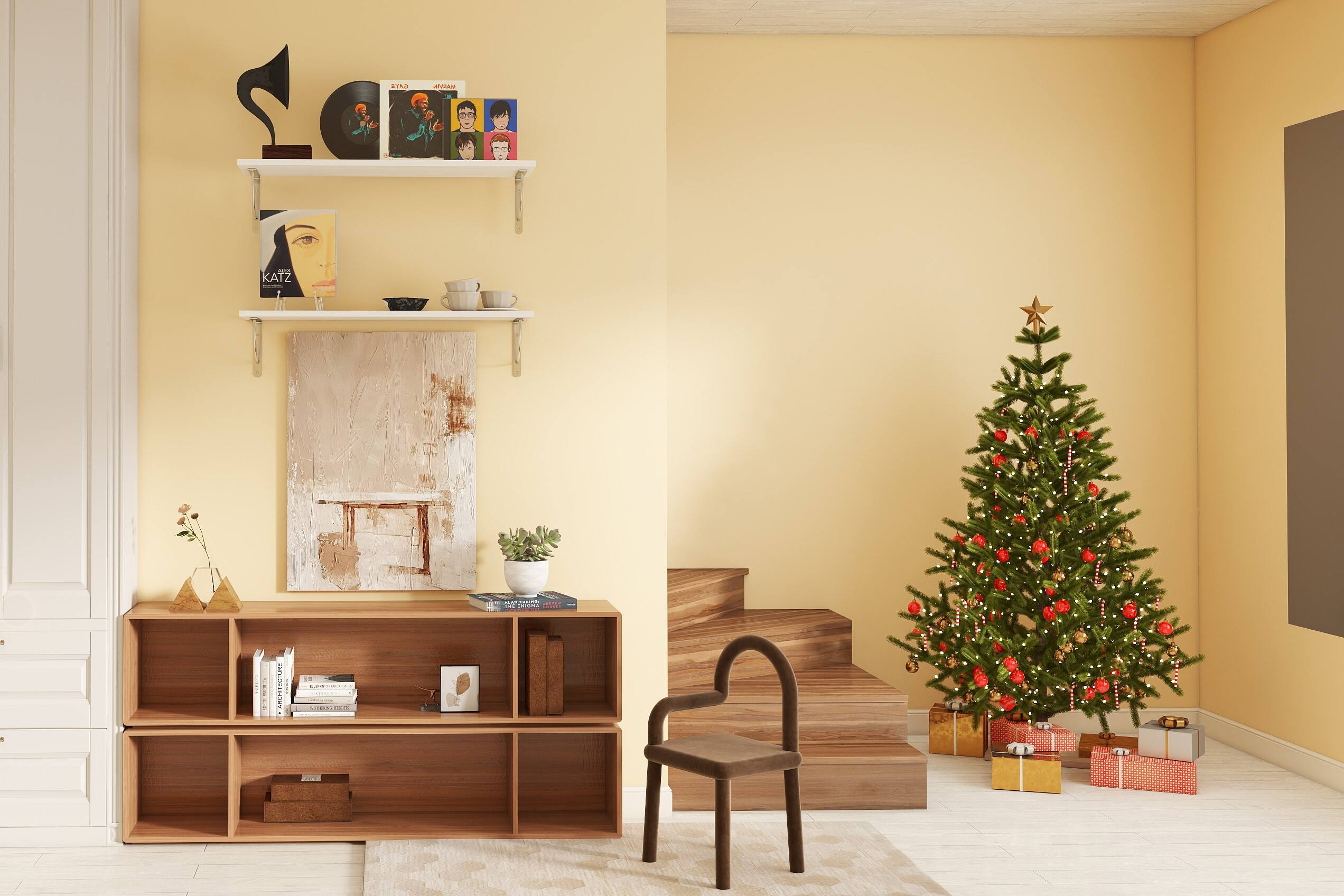
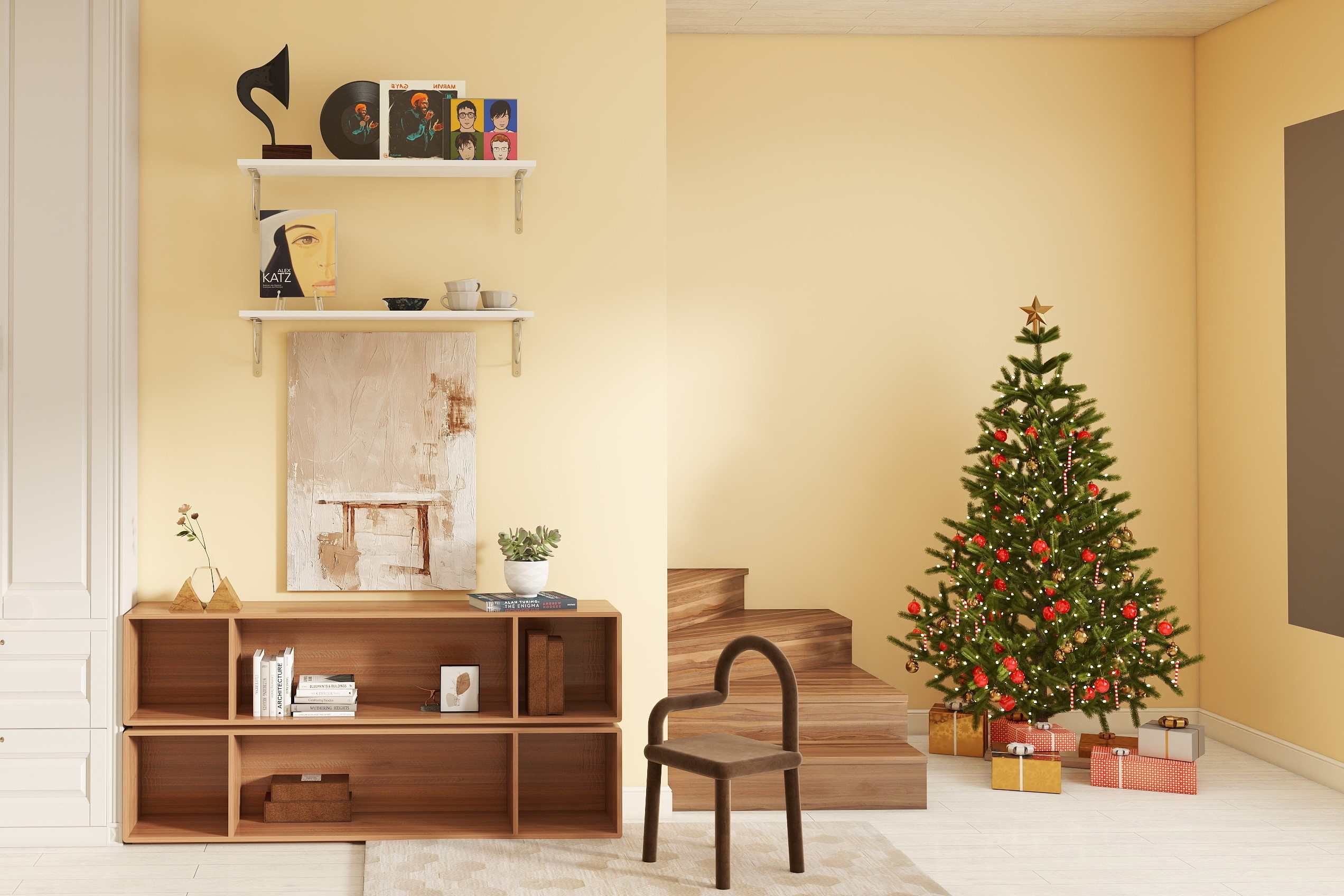
Contemporary sustainable storage solutions emphasize modular design principles that allow users to customize and reconfigure their storage systems as needs evolve. The BOMEDA Storing Board exemplifies this approach with its precision-cut dimensions (available in 591mm, 791mm, and 891mm lengths) that facilitate easy combination and reconfiguration. These modular approaches reduce waste by eliminating the need to replace entire storage systems when requirements change, instead allowing users to add, remove, or rearrange components to create new configurations.
The flexibility of modular sustainable storage solutions appeals to both residential and commercial users who value adaptability and long-term functionality. Components can be easily relocated, repurposed, or expanded, creating storage systems that grow and change with their users while maintaining consistent aesthetic appeal and structural integrity throughout various configurations.
Space-Efficient Design Principles
Effective space utilization characterizes the best sustainable storage solutions, incorporating vertical storage options, hidden compartments, and multi-functional designs that maximize storage capacity within limited footprints. These design principles particularly benefit urban environments where space constraints require creative storage approaches that don't compromise functionality or sustainability goals.
Space-efficient sustainable storage solutions often incorporate features like adjustable shelving, fold-down surfaces, and integrated organizational systems that eliminate the need for additional storage accessories. This comprehensive approach reduces overall material consumption while providing superior organizational capabilities compared to traditional storage methods.
Material Technologies in Sustainable Storage
Renewable and Recycled Material Integration
Advanced material technologies enable sustainable storage solutions to incorporate high percentages of recycled content without compromising structural integrity or aesthetic appeal. Post-consumer recycled plastics, reclaimed wood fibers, and recycled metal components provide raw materials for manufacturing processes that create storage products with minimal environmental impact.
Renewable material integration focuses on rapidly regenerating resources like bamboo, cork, and sustainably harvested wood species that can be replenished within reasonable timeframes. These materials often provide superior performance characteristics compared to traditional materials while supporting forest conservation and biodiversity preservation initiatives.
Non-Toxic Finishes and Adhesives
Health-conscious consumers increasingly prioritize sustainable storage solutions that utilize non-toxic finishes, adhesives, and manufacturing processes that don't release harmful chemicals into indoor environments. Low-VOC finishes, water-based stains, and natural oil treatments provide attractive, durable surface protection without contributing to indoor air quality problems.
The elimination of formaldehyde-based adhesives and toxic manufacturing chemicals creates storage products that contribute to healthier indoor environments while maintaining the structural integrity and appearance standards expected from premium storage solutions. These health-focused materials often provide better long-term performance than their toxic counterparts.
Manufacturing and Production Sustainability
Energy-Efficient Production Processes
Manufacturing facilities producing sustainable storage solutions increasingly adopt energy-efficient production processes powered by renewable energy sources. Solar panels, wind generators, and other clean energy technologies reduce the carbon footprint associated with manufacturing operations while often providing long-term cost advantages that can be passed along to consumers.
Energy efficiency extends to production equipment optimization, waste heat recovery systems, and manufacturing process streamlining that reduces overall energy consumption per unit produced. These improvements create environmental benefits while improving manufacturing efficiency and product quality consistency.
Waste Reduction and Circular Manufacturing
Circular manufacturing principles guide the production of sustainable storage solutions, emphasizing waste stream elimination, material reuse, and production process optimization that minimizes raw material consumption. Manufacturing facilities implement comprehensive recycling programs that convert production waste into usable materials for new products or other applications.
Zero-waste manufacturing goals drive continuous improvement initiatives that identify opportunities to reduce material waste, optimize cutting patterns, and develop new applications for previously discarded materials. These efforts create more efficient production processes while supporting environmental sustainability objectives.
Consumer Applications and Use Cases
Residential Storage Solutions
Homeowners embrace sustainable storage solutions for their ability to organize living spaces while supporting environmental responsibility goals. Kitchen storage, closet organization, garage systems, and home office solutions benefit from sustainable materials and designs that provide long-term functionality without contributing to environmental degradation.
Residential applications particularly value the aesthetic appeal of sustainable storage solutions, which often feature natural materials, clean lines, and versatile designs that complement various interior design styles. The sleek white finish and clean lines of products like the BOMEDA Storing Board make it a stylish addition to modern homes. The durability of these systems provides excellent value for homeowners seeking long-term storage solutions that won't require frequent replacement or maintenance.
Commercial and Office Applications
Businesses increasingly specify sustainable storage solutions for office environments, retail spaces, and commercial facilities as part of corporate sustainability initiatives and employee wellness programs. These applications benefit from the modular nature of sustainable storage systems, which can be easily reconfigured as business needs evolve.
Commercial sustainable storage solutions often incorporate features like integrated technology management, acoustic dampening properties, and ergonomic design principles that support productive work environments while maintaining environmental responsibility standards. The professional appearance and durability of these systems make them suitable for client-facing areas where appearance and functionality are equally important.
Cost Considerations and Return on Investment
Initial Investment vs Long-Term Value
While sustainable storage solutions may require higher initial investments compared to conventional alternatives, their long-term value proposition often provides superior return on investment through extended lifespan, reduced replacement costs, and potential energy savings. The durability and adaptability of these systems create value that extends far beyond initial purchase price considerations.
Long-term value calculations should include factors like reduced maintenance requirements, lower environmental impact costs, and potential increases in property value associated with sustainable building features. Many sustainable storage solutions also qualify for green building certifications that can provide additional financial benefits through tax incentives or utility rebates.
Maintenance and Lifecycle Costs
Sustainable storage solutions typically require minimal maintenance due to their durable construction and high-quality materials, resulting in lower lifecycle costs compared to conventional storage systems that may require frequent repairs, refinishing, or replacement. The use of naturally resistant materials and non-toxic finishes reduces maintenance requirements while extending product lifespan.
Lifecycle cost analysis demonstrates that sustainable storage solutions often provide significant savings over extended periods, particularly when considering factors like replacement frequency, maintenance costs, and disposal expenses associated with conventional storage systems that don't incorporate sustainability principles.
Future Trends in Sustainable Storage
Technology Integration and Smart Features
Emerging trends in sustainable storage solutions include technology integration that enhances functionality while maintaining environmental responsibility. Smart sensors, LED lighting systems, and automated organization features powered by renewable energy sources create storage systems that adapt to user needs while minimizing energy consumption.
Future sustainable storage solutions will likely incorporate Internet of Things connectivity that enables remote monitoring, predictive maintenance, and optimization features that extend product lifespan while providing enhanced user experiences. These technological advances will be implemented using sustainable materials and energy-efficient designs that align with overall environmental goals.
Material Innovation and Bio-Based Components
Material science advances continue to expand options for sustainable storage solutions, with bio-based plastics, mycelium-based composites, and other innovative materials providing new possibilities for environmentally responsible storage systems. These emerging materials often provide superior performance characteristics while offering complete biodegradability at end-of-life.
Research and development efforts focus on creating storage materials from agricultural waste, ocean plastics, and other waste streams that would otherwise contribute to environmental problems. These innovations transform waste materials into valuable storage solutions that address multiple environmental challenges simultaneously.
Frequently Asked Questions
What makes storage solutions truly sustainable?
Truly sustainable storage solutions incorporate multiple environmental considerations including renewable or recycled materials, energy-efficient manufacturing processes, durable construction for extended lifespan, non-toxic finishes and adhesives, and end-of-life recyclability. The most effective sustainable storage solutions address environmental impact throughout their entire lifecycle from raw material sourcing through manufacturing, use, and eventual disposal or recycling.
How do sustainable storage solutions compare in durability to conventional options?
Sustainable storage solutions often exceed the durability of conventional alternatives due to their emphasis on high-quality materials and construction techniques designed for long-term use. Many sustainable options feature reinforced construction, naturally resistant materials, and superior finishes that provide decades of reliable service with minimal maintenance requirements, making them more cost-effective over their extended lifespan.
Are sustainable storage solutions suitable for commercial applications?
Sustainable storage solutions excel in commercial applications due to their durability, professional appearance, and ability to support corporate sustainability goals. Many businesses find that these systems provide superior long-term value while contributing to green building certifications, employee wellness initiatives, and environmental responsibility programs that enhance corporate reputation and may provide financial incentives.
What should consumers consider when selecting sustainable storage solutions?
Consumers should evaluate material composition, manufacturing processes, product certifications, durability expectations, and end-of-life disposal options when selecting sustainable storage solutions. Important considerations include the percentage of recycled or renewable content, VOC emissions, structural warranty provisions, modularity for future reconfiguration, and manufacturer sustainability practices that align with personal environmental values and functional requirements.