 EN
EN

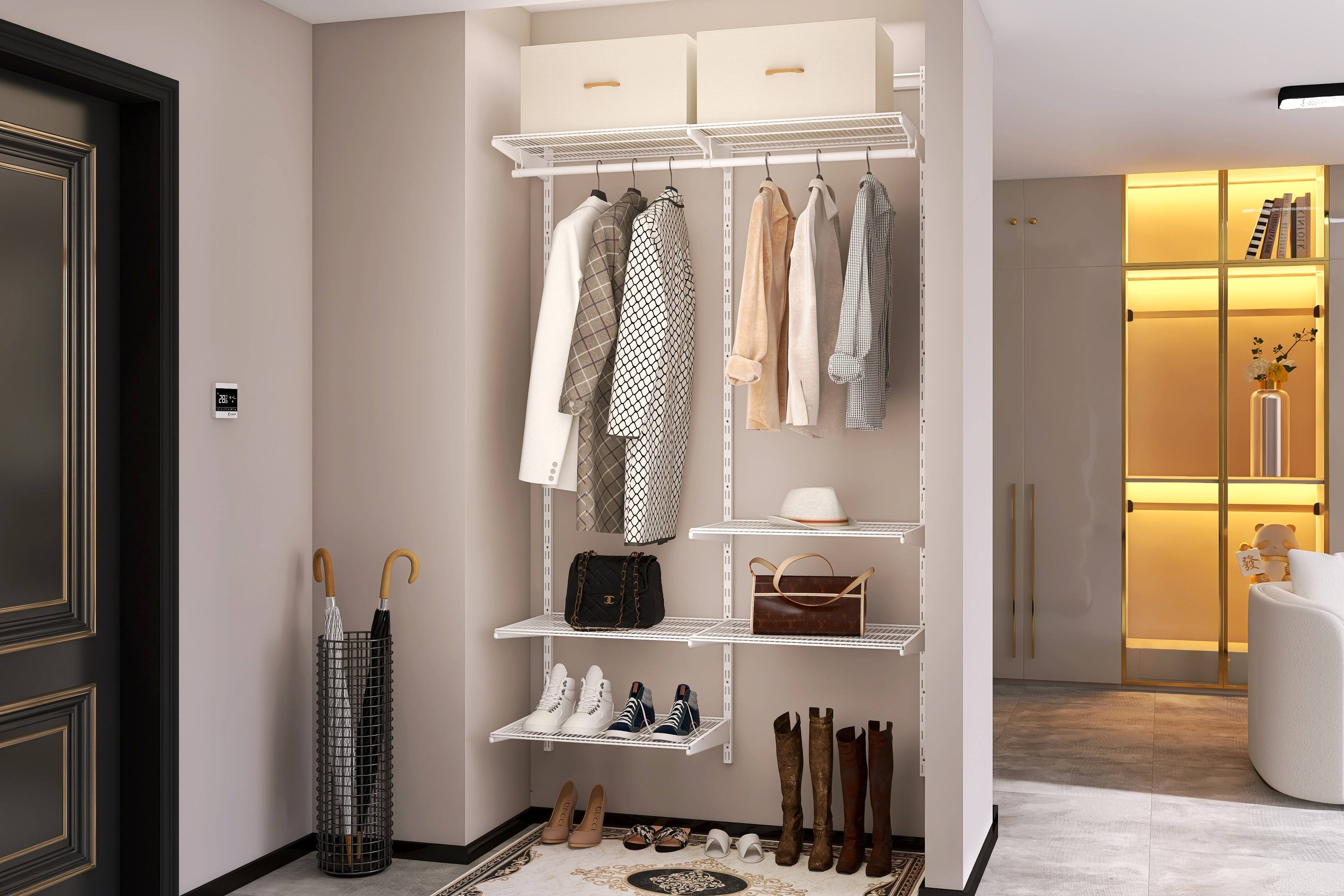
Selecting the right closet storage solution requires careful evaluation of multiple factors that directly impact functionality, durability, and long-term satisfaction. Buyers who rush into purchases without proper assessment often discover costly mismatches between their expectations and the actual performance of their chosen closet storage solution.
Understanding the key evaluation criteria before making a purchase decision helps ensure that your closet storage solution will meet both immediate needs and future requirements. This comprehensive assessment approach prevents common installation challenges, maximizes return on investment, and delivers the organizational benefits that buyers seek from their storage investments.
Space Dimensions and Configuration Requirements
Measuring Available Closet Space
Accurate space measurement forms the foundation of selecting an appropriate closet storage solution. Buyers must measure not only the width, depth, and height of their closet space but also identify any architectural obstacles such as light fixtures, electrical outlets, or structural supports that could affect installation. These measurements determine which closet storage solution configurations will physically fit within the available space.
Professional installers recommend measuring at multiple points along each dimension, as many closets have slight variations in width or depth due to construction tolerances. Recording the smallest measurements ensures that the chosen closet storage solution will fit properly without requiring modification during installation.
Ceiling height measurements also influence the vertical storage potential of any closet storage solution. Standard configurations may not fully utilize available vertical space in rooms with high ceilings, while low ceilings might restrict certain shelving or hanging rod arrangements.
Door and Access Considerations
The type and operation of closet doors significantly impacts which closet storage solution designs will work effectively. Sliding doors limit access to different sections of the closet at any given time, requiring storage solutions that accommodate partial access patterns. Bifold doors provide better overall access but may have clearance requirements that affect shelf positioning.
Single or double hinged doors offer the most flexible access, allowing buyers to consider closet storage solution options that extend closer to door frames. However, the door swing pattern must be evaluated to ensure that opened doors do not interfere with extended shelves or storage accessories.
Entry width determines the maximum size of pre-assembled closet storage solution components that can be brought into the space. Buyers planning to install larger shelving units or storage systems may need to verify that individual components can fit through doorways and hallways during delivery and installation.
Load Capacity and Structural Requirements
Weight Distribution Analysis
Understanding load capacity requirements prevents structural failure and ensures safe operation of any closet storage solution. Different items stored in closets have varying weight characteristics, from lightweight clothing to heavy seasonal items, shoes, and accessories. Buyers must estimate the total weight that each shelf or hanging section will need to support during normal use.
Wall-mounted closet storage solution designs require adequate wall structure to support both the weight of the system itself and the intended storage load. Identifying wall stud locations and understanding wall construction type helps buyers select appropriate mounting hardware and determine safe load limits for their installation.
Freestanding closet storage solution options transfer weight loads to the floor rather than wall structures, but buyers must still consider floor load capacity in upper-level installations or in buildings with specific structural limitations.
Material Strength and Durability Factors
The materials used in closet storage solution construction directly determine long-term durability and load-bearing capacity. Steel wire systems offer excellent strength-to-weight ratios and resist sagging under typical clothing loads, while laminated wood systems provide different aesthetic and structural characteristics.
Buyers evaluating different closet storage solution materials should consider the specific loading conditions in their application. Hanging heavy coats and suits requires different structural support than storing lightweight shirts and blouses. Understanding these load requirements helps match material selection to actual use patterns.
Connection methods between components also affect overall system strength. Welded joints, mechanical fasteners, and snap-together assemblies each provide different levels of structural integrity that buyers should evaluate based on their specific closet storage solution requirements.
Installation Requirements and Complexity
Assembly and Installation Process
The installation complexity of different closet storage solution options varies significantly, affecting both the time investment and skill level required for successful completion. Some systems feature tool-free assembly with snap-together components, while others require precise measurements, drilling, and mechanical fastening.
Buyers should honestly assess their own installation capabilities and available tools before selecting a closet storage solution. Complex systems that require specialized tools or advanced construction skills may necessitate professional installation, adding to the total project cost.
Installation time estimates help buyers plan the disruption to their daily routines. Simple closet storage solution installations might be completed in a few hours, while comprehensive systems could require a full day or multiple sessions to complete properly.
Required Tools and Hardware
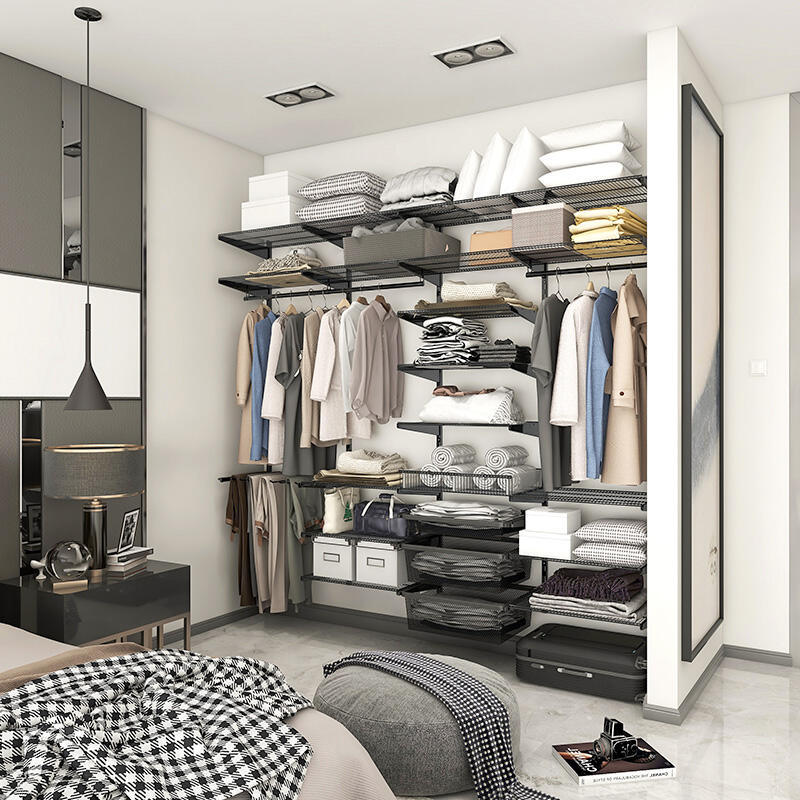
Understanding the tool requirements for closet storage solution installation helps buyers prepare adequately and avoid project delays. Basic installations typically require common household tools such as screwdrivers, measuring tapes, and levels, while more complex systems might need power drills, stud finders, or specialized mounting hardware.
Hardware compatibility with existing closet construction affects installation feasibility and cost. Some closet storage solution designs require specific wall anchors or mounting systems that may not be included with the basic product package. Buyers should verify what additional hardware might be needed for their specific installation conditions.
Safety equipment requirements should also be considered, particularly for installations that involve ladder work or power tool use. Proper safety preparation ensures that closet storage solution installation proceeds without injury or property damage.
Functionality and Organization Features
Storage Type Compatibility
Different closet storage solution designs accommodate various types of clothing and accessories with varying degrees of effectiveness. Hanging storage works well for shirts, dresses, and suits, while folded items require shelf space with appropriate depth and spacing. Buyers should inventory their specific storage needs before selecting system configurations.
Shoe storage requirements often drive specific closet storage solution design decisions. Some systems include dedicated shoe shelves or racks, while others rely on general-purpose shelving that may not optimize shoe organization and access.
Accessory storage for items such as ties, belts, jewelry, and small personal items requires different organizational features. Buyers who have significant quantities of small accessories should prioritize closet storage solution options that include specialized organizational components.
Adjustability and Future Modifications
The ability to modify or reconfigure a closet storage solution over time provides valuable flexibility as storage needs change. Adjustable shelving systems allow buyers to accommodate different types of items or seasonal storage requirements without replacing the entire system.
Expandable closet storage solution designs enable buyers to add components or extend the system if their storage needs grow. This expandability can be particularly valuable for young families or individuals whose wardrobe requirements may change significantly over time.
Component interchangeability allows for replacement of individual elements without affecting the entire closet storage solution. This modularity reduces long-term maintenance costs and extends the useful life of the storage investment.
Budget Considerations and Value Assessment
Initial Purchase Cost Analysis
Closet storage solution costs vary widely based on materials, complexity, and included features. Buyers should establish realistic budget parameters that account not only for the storage system itself but also for any additional hardware, tools, or professional installation services that may be required.
Comparing costs across different closet storage solution options requires careful attention to what is included in each package. Some systems include all necessary mounting hardware and accessories, while others require separate purchases of essential components that can significantly affect the total project cost.
Hidden costs such as wall repair, painting, or additional organizational accessories should be factored into budget calculations. These ancillary expenses can add substantial amounts to the total investment in a new closet storage solution.
Long-term Value and Return on Investment
Evaluating the long-term value of a closet storage solution requires considering durability, maintenance requirements, and potential impact on home value. Higher-quality systems with superior materials and construction may justify higher initial costs through extended service life and better performance.
Maintenance costs over the expected life of the closet storage solution should be included in total cost of ownership calculations. Some materials and designs require periodic maintenance or replacement of wear components, while others operate with minimal ongoing care requirements.
The organizational benefits and time savings provided by an effective closet storage solution can represent significant value beyond the initial purchase price. Improved organization reduces time spent searching for items and can extend the useful life of clothing through better storage conditions.
FAQ
How do I determine the right size closet storage solution for my space?
Measure your closet width, depth, and height at multiple points to account for construction variations. Consider door clearances, ceiling fixtures, and any architectural obstacles. Choose a closet storage solution with dimensions that fit comfortably within your smallest measurements, leaving adequate clearance for doors and access.
What weight capacity should I look for in a closet storage solution?
Estimate the total weight of items you plan to store, including heavy coats, shoes, and accessories. Most quality closet storage solution systems can handle 30-50 pounds per linear foot of shelving, but verify specific load ratings for your intended use. Consider both static loads and dynamic loading from daily use.
Should I install a closet storage solution myself or hire a professional?
Simple wire shelving systems with basic mounting requirements can typically be installed by homeowners with basic tools and skills. Complex closet storage solution designs involving multiple components, precise fitting, or extensive wall modifications may benefit from professional installation to ensure proper function and safety.
How can I modify my closet storage solution if my needs change?
Choose systems with adjustable shelving heights, modular components, and expansion capability. Many quality closet storage solution designs allow you to add components, relocate shelves, or reconfigure hanging sections without replacing the entire system. Verify component availability and compatibility before making your initial purchase.