 EN
EN

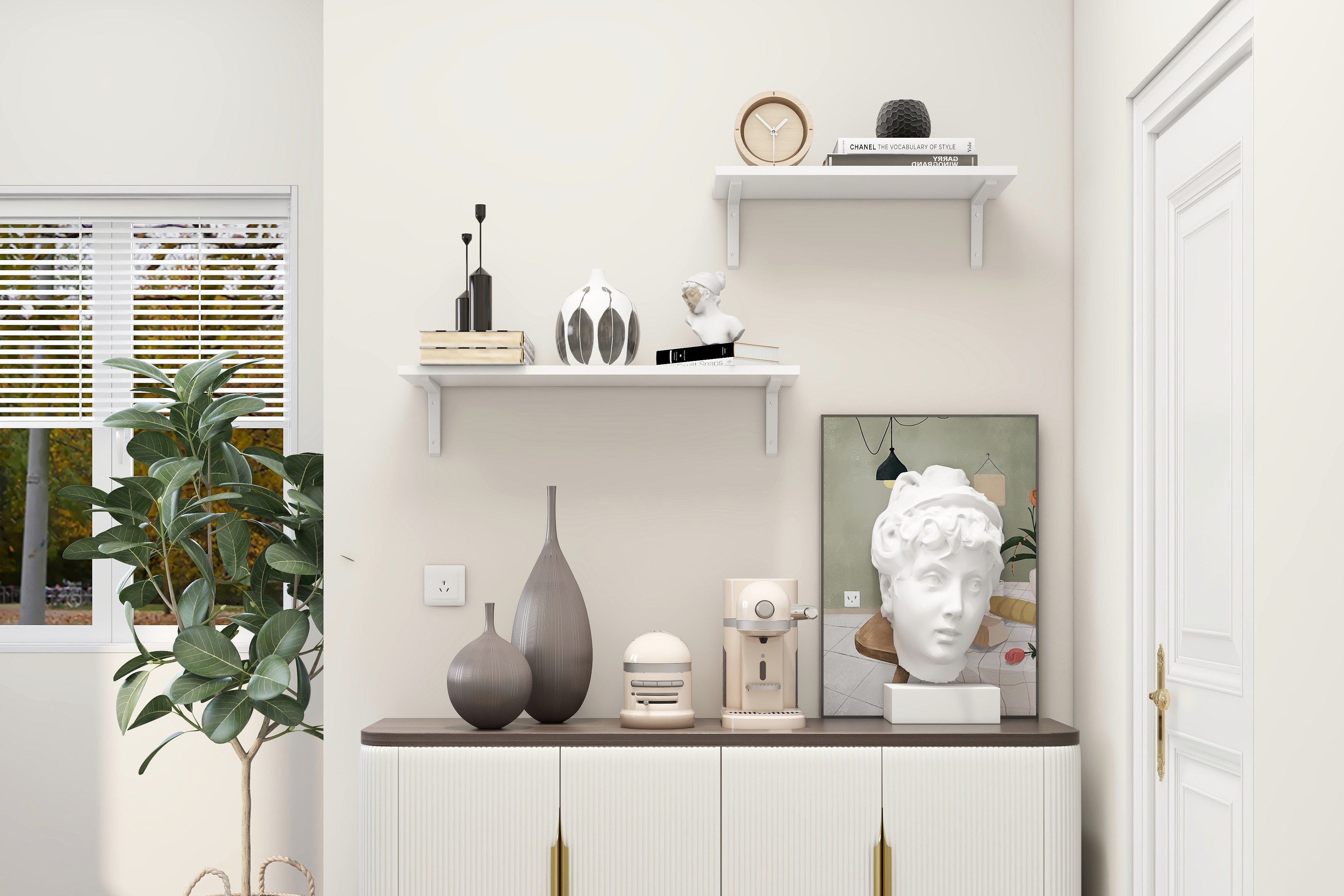
Wall rail shelving is one of the most practical and versatile storage solutions available for both residential and commercial environments. By mounting a horizontal or vertical rail directly onto a wall surface and attaching adjustable brackets, wall rail shelving allows users to reconfigure shelf positions at any time without drilling new holes or committing to a fixed layout. This flexibility makes wall rail shelving especially valuable in spaces where storage needs change frequently, from retail display areas and home kitchens to workshops and office storage rooms.
What sets wall rail shelving apart from conventional fixed shelving is the combination of structural reliability and adaptability. A well-designed wall rail shelving system uses sturdy metal rails anchored securely into wall studs, supporting a range of shelf depths and load capacities. Whether you are organizing a compact utility room or equipping a large storage facility, wall rail shelving provides a scalable framework that grows with your needs. This article explores the core components, adjustability benefits, and practical considerations that make wall rail shelving a smart long-term investment.
Core Components of Wall Rail Shelving
The Rail and Bracket System
The foundation of any wall rail shelving setup is the rail itself. In a standard wall rail shelving configuration, one or more vertical or horizontal metal rails are fastened directly to the wall. These rails feature evenly spaced slots or notches that accept adjustable shelf brackets. The bracket-and-rail interface is the defining feature of wall rail shelving, allowing each bracket to be repositioned by simply lifting it out of one slot and inserting it into another. This tool-free adjustability saves significant time during reorganization and makes wall rail shelving far more dynamic than permanently fixed shelving units.
Most wall rail shelving systems are made from steel or heavy-gauge aluminum, providing excellent strength-to-weight ratios. The rails are typically powder-coated or zinc-plated to resist corrosion, making wall rail shelving suitable for humid environments such as garages, laundry rooms, and food preparation areas. When selecting a wall rail shelving system, the rail material and finish directly affect both durability and the maximum load capacity per shelf level.
Shelf Panels and Load Ratings
Wall rail shelving accommodates a wide variety of shelf panel materials, including solid timber boards, melamine-coated particleboard, glass, and wire mesh. The choice of shelf panel affects the aesthetic and functional performance of the wall rail shelving installation. Timber and melamine panels offer a clean, finished look suitable for retail displays and living spaces, while wire mesh panels allow airflow and are preferred in industrial or food storage wall rail shelving applications. Always match the shelf panel thickness and span to the load rating specified for your wall rail shelving brackets to ensure safe and stable performance.
Adjustability and Space-Saving Advantages
Reconfigurable Layouts for Changing Needs
The primary reason businesses and homeowners choose wall rail shelving over fixed alternatives is adjustability. Because wall rail shelving brackets slot into pre-cut notches along the rail, shelf heights can be changed within minutes. This is particularly useful in retail environments where wall rail shelving must accommodate products of varying heights and seasonal merchandise changes. In home offices and pantries, wall rail shelving lets you optimize vertical space as your inventory of books, supplies, or food items evolves over time. The ability to reconfigure wall rail shelving without professional help reduces long-term maintenance costs and increases the usable lifespan of the system.

Wall rail shelving also supports the addition of specialized accessories such as hanging hooks, baskets, towel bars, and label holders. These accessories clip or slot directly into the wall rail shelving rail, turning a basic shelf arrangement into a comprehensive organizational system. For small rooms or narrow corridors, wall rail shelving with accessory extensions maximizes every centimeter of vertical wall space without encroaching on floor area.
Maximizing Vertical and Horizontal Space
One of the most significant space-saving benefits of wall rail shelving is the ability to exploit full wall height. Traditional freestanding shelving units are constrained by standard furniture heights, but wall rail shelving can be installed from floor to ceiling, using vertical space that would otherwise remain unused. In warehouses, stockrooms, and retail back-of-house areas, floor-to-ceiling wall rail shelving dramatically increases storage density per square meter. By keeping items off the floor, wall rail shelving also improves safety, cleanliness, and ease of inventory management. Multiple parallel rails can expand wall rail shelving horizontally across an entire wall, creating a seamless and visually unified storage wall.
Installation and Setup Considerations
Wall Preparation and Anchoring
Proper installation is essential for wall rail shelving to perform safely under load. Before mounting wall rail shelving rails, identify the location of wall studs using a stud finder, as anchoring into studs rather than just drywall ensures maximum holding strength. For masonry or concrete walls, use appropriate masonry anchors rated for the expected load. Most wall rail shelving manufacturers provide installation templates and hardware kits that simplify the alignment process and ensure rails are mounted perfectly level. A slight misalignment in the rail mounting can cause shelves to tilt and reduce the effective load capacity of the entire wall rail shelving installation.
Determining Spacing and Shelf Depth
Rail spacing determines how far apart the support points are for each shelf in a wall rail shelving system. Narrower rail spacing provides more support and is recommended for heavier loads, while wider spacing suits lighter storage applications and gives a cleaner visual appearance. Shelf depth in wall rail shelving should reflect the items being stored. Shallow shelves of 200 to 300 millimeters are ideal for spices, small tools, or books, while deep shelves of 400 to 500 millimeters suit larger containers, appliances, or display merchandise. Choosing the correct combination of rail spacing and shelf depth ensures that your wall rail shelving system remains both functional and visually balanced across its full installation width.
FAQ
How much weight can wall rail shelving typically support?
The load capacity of wall rail shelving depends on the rail material, bracket design, and the quality of wall anchoring. Most standard wall rail shelving systems support between 25 and 75 kilograms per shelf bracket pair when properly anchored into wall studs. Heavy-duty industrial wall rail shelving configurations can exceed these figures with reinforced rails and closer bracket spacing.
Can wall rail shelving be installed on any type of wall?
Wall rail shelving can be installed on timber-framed drywall, solid masonry, concrete, and brick walls. The key difference lies in the anchoring method. For drywall, wall rail shelving rails must be anchored into studs or use specialized toggle bolts. For masonry or concrete, appropriate expansion or chemical anchors are required to achieve the holding strength needed for safe wall rail shelving use.
Is wall rail shelving suitable for commercial and retail use?
Yes, wall rail shelving is widely used in retail stores, showrooms, stockrooms, and light industrial facilities. Its adjustability makes wall rail shelving ideal for commercial environments where display layouts change regularly. Many commercial wall rail shelving systems are designed with aesthetic finishes and accessory compatibility to support both functional storage and attractive product presentation.