 EN
EN

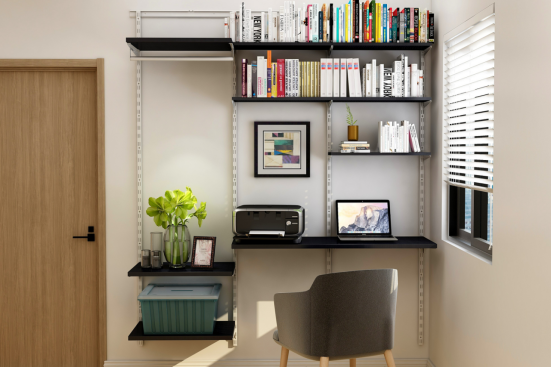
When it comes to maximizing vertical space while keeping floors clear, wall rail shelving is one of the most versatile solutions available. Whether you are organizing a home closet, a busy garage, a retail storefront, or a large warehouse, wall rail shelving adapts to the specific demands of each environment. Understanding how to apply wall rail shelving correctly across these different scenarios is the key to getting the best return from your investment in storage infrastructure.
Wall rail shelving works by mounting horizontal or vertical rail tracks directly onto a wall surface, then attaching adjustable brackets and shelf panels to those tracks. This modular design is what makes wall rail shelving so powerful — you can reposition brackets, add shelf tiers, and reconfigure layouts without removing the entire system from the wall. This guide walks through the best practices, considerations, and scenario-specific tips for installing and using wall rail shelving across four of the most common environments: closets, garages, retail displays, and warehouses.
Wall Rail Shelving in Closets and Home Storage
Designing for Personal Organization
Closets are among the most common places where wall rail shelving delivers immediate value. In a standard bedroom or walk-in closet, wall rail shelving allows you to create tiered hanging zones, folded-clothing shelves, and accessory compartments all within the same track system. Because wall rail shelving brackets are adjustable, you can shift shelf heights to accommodate seasonal wardrobe changes without tools or permanent modifications. This flexibility is especially helpful in shared closets where two people may need very different storage configurations.
When selecting wall rail shelving for a closet, consider the load capacity of each bracket carefully. Heavier items like shoes, folded denim, or stacked boxes require sturdier brackets rated for higher weight per shelf. Wall rail shelving installed in closets also benefits from a clean, minimal appearance — powder-coated metal rails and white or wood-toned shelf panels blend naturally into most interior designs. Proper anchor points in the wall studs are essential to ensure the wall rail shelving system remains stable and safe over time.
Small Space Efficiency
For small apartments or utility rooms, wall rail shelving transforms unused wall space into productive storage. A single wall rail shelving run along one wall can replace multiple freestanding units, freeing floor space for movement. By stacking wall rail shelving tiers from near the ceiling down to mid-height, you gain significant cubic storage volume without expanding the room's footprint. This approach is especially useful in laundry rooms, mudrooms, and compact home offices where wall rail shelving handles everything from detergents to files.
Wall Rail Shelving in Garages and Workshops
Heavy-Duty Storage Demands
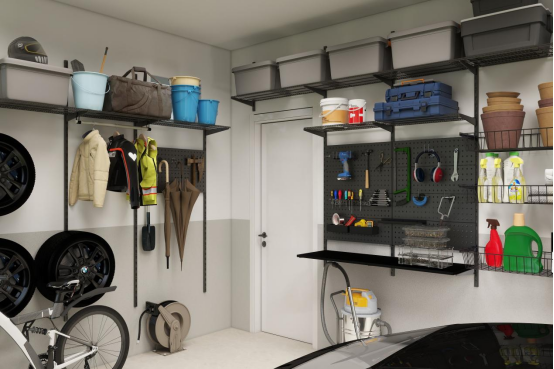
Garages present a more demanding environment for wall rail shelving than closets do. Exposure to temperature swings, moisture, and heavy tools means that wall rail shelving in a garage must be built from robust materials, typically steel with a corrosion-resistant finish. Heavy-duty wall rail shelving systems rated for 100 kg or more per shelf are commonly used to store power tools, automotive supplies, hardware bins, and seasonal outdoor equipment. Selecting wall rail shelving with thick gauge rails and locking bracket mechanisms reduces the risk of sagging or accidental dislodgement.
In a workshop setting, wall rail shelving often serves a dual purpose: storing materials and keeping tools accessible at the point of use. Installing wall rail shelving above a workbench puts frequently used items within arm's reach while keeping the bench surface clear. Pegboard panels can sometimes be integrated alongside wall rail shelving to create a combined storage wall. For garages with vehicles, wall rail shelving positioned at a higher level leaves room for car doors to open freely without obstruction.
Organizing by Zone
A practical approach to garage wall rail shelving is to divide the space into zones — one area for hand tools, one for gardening supplies, one for sports equipment. Each zone of wall rail shelving can be configured with shelf heights and bracket spacings appropriate to the items stored there. Taller items like rakes or ski poles may require open-span wall rail shelving with no intermediate shelves, while smaller items benefit from closely spaced wall rail shelving tiers. Planning zones in advance prevents overcrowding and makes the garage easier to navigate.
Wall Rail Shelving for Retail Displays and Warehouses
Retail Display Applications
Retail environments use wall rail shelving extensively to showcase merchandise along perimeter walls and inside gondola-style bays. The ability to reconfigure wall rail shelving quickly is a major commercial advantage — store owners can update shelf layouts to reflect new product ranges, seasonal promotions, or planogram changes without closing the store. Wall rail shelving in retail typically incorporates slotted uprights into which a wide variety of display hooks, shelf brackets, and specialty fittings can be inserted. This makes wall rail shelving one of the most adaptable display solutions available to retailers of any size.
Visual merchandising with wall rail shelving depends on consistent spacing, good lighting, and clean sightlines. Positioning wall rail shelving at eye level for key product categories draws customer attention naturally. Adjusting wall rail shelving heights between product transitions creates a visual rhythm that guides shoppers along the wall. For specialty retail — such as electronics, apparel, or sporting goods — wall rail shelving can be customized with brand-specific accessories that reinforce visual identity while maintaining the structural benefits of a modular track system.
Warehouse and Industrial Storage
In warehouse settings, wall rail shelving is used along perimeter walls to store lightweight to medium-weight stock that does not require pallet racking. Wall rail shelving in warehouses typically handles items like spare parts bins, documentation folders, packaging materials, and small equipment. The speed of reconfiguration makes wall rail shelving well-suited to warehouse environments where inventory profiles change frequently. Installing wall rail shelving near workstations or packing areas reduces walking distance and improves pick efficiency. Industrial-grade wall rail shelving systems in warehouses are often finished with epoxy coatings to resist chemical exposure and routine cleaning.
FAQ
What materials are best for wall rail shelving in high-humidity environments?
For humid environments such as garages, laundry rooms, or coastal warehouses, wall rail shelving made from powder-coated steel or stainless steel provides the best corrosion resistance. Avoid bare metal wall rail shelving tracks in consistently damp conditions, as surface rust can compromise structural integrity over time. Epoxy-coated finishes and galvanized components are also reliable choices for wall rail shelving exposed to moisture.
How much weight can a standard wall rail shelving bracket support?
The load capacity of wall rail shelving brackets varies by design and material. Standard residential wall rail shelving brackets typically support 25–50 kg per shelf when anchored into wall studs. Heavy-duty wall rail shelving brackets used in garages and warehouses can support 75–150 kg or more per shelf. Always check the manufacturer specifications for your specific wall rail shelving system and ensure anchors are seated correctly in structural wall elements.
Can wall rail shelving be installed on all wall types?
Wall rail shelving can be installed on most wall types, including drywall, plywood, concrete, and masonry. The critical factor is using the correct anchor for each wall material. On drywall, wall rail shelving should always be anchored into studs for load-bearing configurations. On concrete or brick walls, expansion anchors or masonry screws are used to mount wall rail shelving rails securely. Consulting installation guidelines for your specific wall rail shelving system ensures a safe and lasting result.