 EN

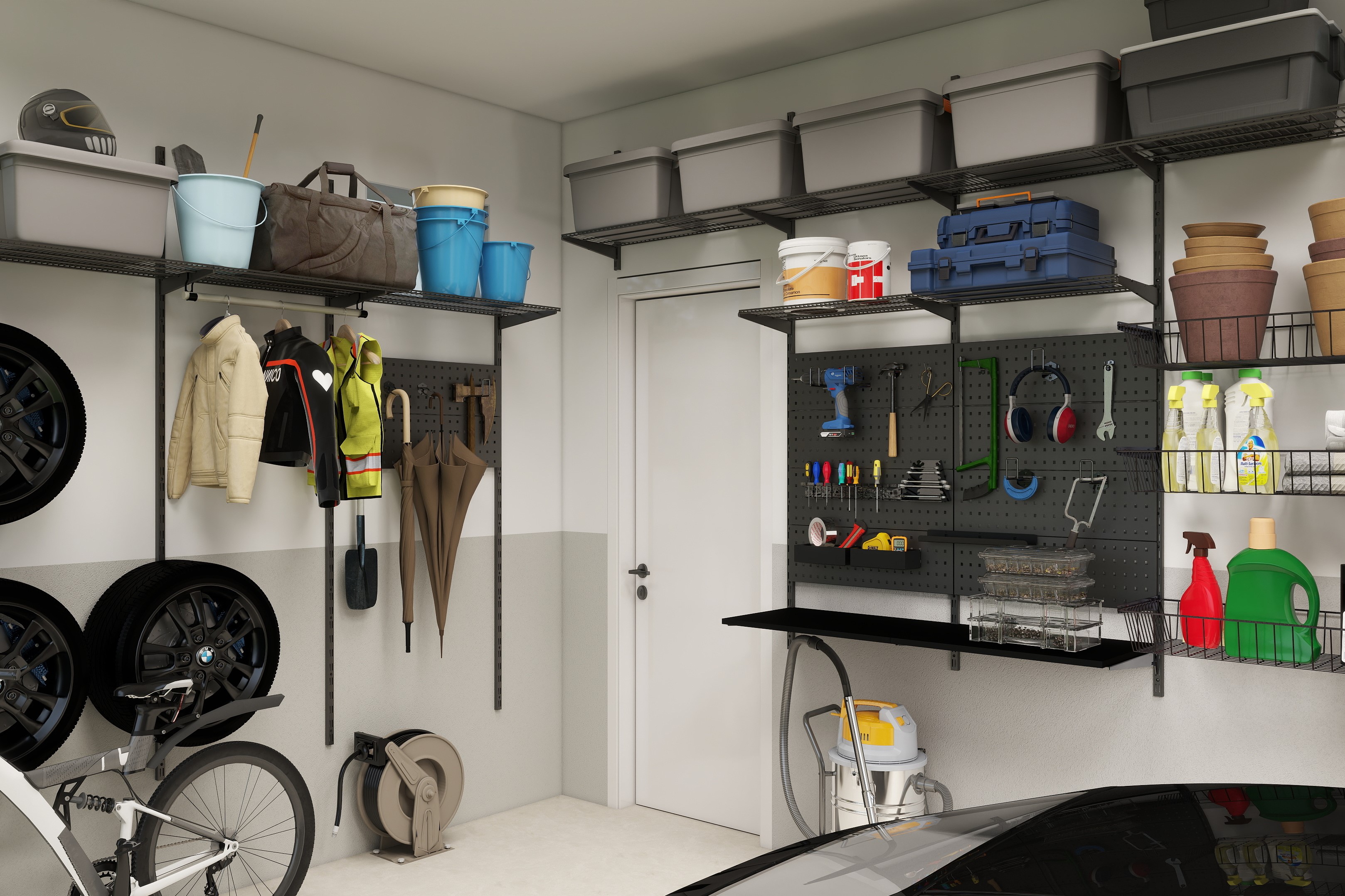
Selecting the right wall shelves requires understanding your specific storage needs, available space, and design preferences. Whether you're organizing a bedroom, kitchen, living room, or home office, wall shelves offer flexible storage without consuming floor space. The right wall shelves can transform cluttered corners into organized displays while enhancing your interior aesthetic. This guide walks you through the essential factors to consider when choosing wall shelves for your home, ensuring you make an informed decision that balances functionality with style.
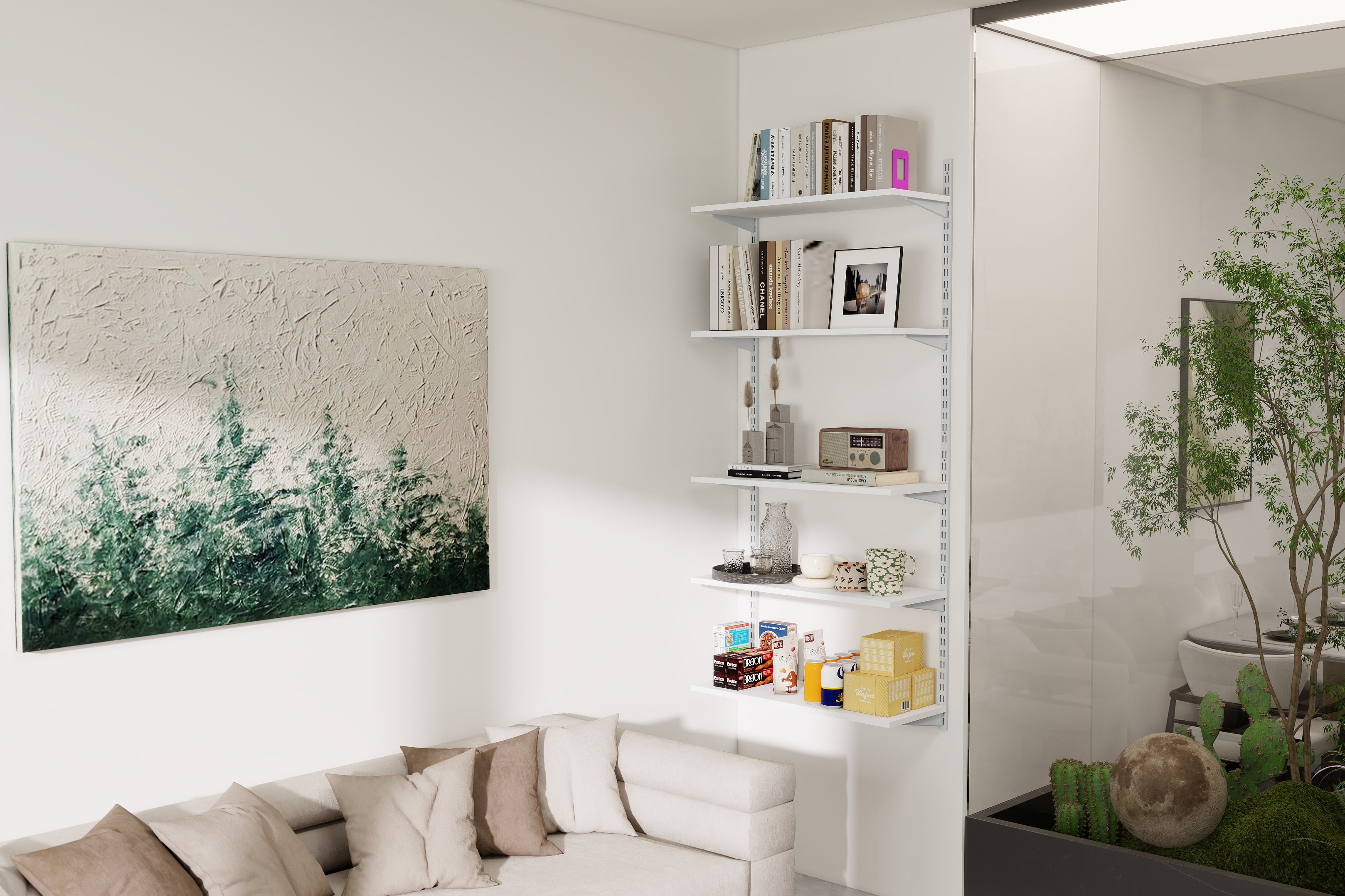
Wall shelves come in numerous styles, materials, and configurations, making it crucial to evaluate what works best for your specific situation. Before purchasing wall shelves, assess the weight of items you plan to store, the wall type in your home, and the visual impact you want to achieve. Understanding these foundational elements helps you narrow down your options and invest in wall shelves that deliver lasting value and satisfaction.
Assessing Your Storage Requirements and Space
Determining Weight and Item Type
The items you intend to store on wall shelves directly influence the type and quality of wall shelves you should select. Heavy books, decorative objects, or kitchen equipment require wall shelves with higher weight capacity and stronger mounting systems. Light decorative items, plants, or personal photos allow for more delicate wall shelves designs. Before choosing wall shelves, create an inventory of what you'll store and estimate the total weight. This practical assessment prevents costly mistakes and ensures your wall shelves remain secure and functional over time.
Measuring and Planning Layout
Proper measurement is essential when selecting wall shelves for any room. Measure the wall space where you plan to install wall shelves, accounting for doors, windows, outlets, and existing furniture. Consider the height range where wall shelves would be most accessible and visually balanced. Wall shelves positioned too high become impractical for daily use, while those positioned too low may obstruct movement or appear cluttered. Take time to visualize how wall shelves will integrate into your overall room layout, ensuring they complement rather than compete with other design elements.
Understanding Material Options and Durability
Common Wall Shelf Materials
Wall shelves are manufactured from diverse materials, each offering distinct advantages and aesthetic qualities. Wood remains a popular choice for wall shelves due to its warmth, natural appearance, and versatility. Metal wall shelves provide industrial or modern aesthetics and exceptional strength. Glass wall shelves create an airy, contemporary look suitable for displaying decorative items. When evaluating wall shelves options, consider how the material integrates with your existing décor and whether it suits the room's humidity and temperature environment. The material you select for your wall shelves significantly impacts both durability and visual harmony.
Evaluating Weight Capacity and Installation
Weight capacity represents one of the most critical specifications when selecting wall shelves. Different wall shelves designs support varying maximum weights depending on material quality and mounting hardware. Wall shelves mounted into wall studs typically support heavier loads than those using expansion anchors. Always verify the manufacturer's weight rating for your chosen wall shelves and cross-reference it against your storage needs. Proper installation is equally important as material selection; incorrectly installed wall shelves pose safety risks and compromise functionality. Consider hiring a professional if you're uncertain about wall type or installation complexity for your wall shelves.
Style, Design, and Room Integration
Matching Aesthetic Preferences
Wall shelves serve both functional and decorative purposes, making style alignment essential to your decision. Rustic wall shelves crafted from reclaimed wood complement farmhouse or traditional interiors. Minimalist wall shelves with clean lines enhance contemporary or Scandinavian design schemes. Industrial wall shelves featuring metal frames suit loft-style or eclectic spaces. When choosing wall shelves, envision how the design, color, and finish will interact with your walls, flooring, and existing furniture. Well-chosen wall shelves act as design anchors that elevate your room's overall appearance while providing practical storage solutions.
Functional Display and Organization
Beyond aesthetics, wall shelves must function as organized storage that remains visually appealing. Open wall shelves encourage thoughtful curation of displayed items, promoting a cleaner, more intentional aesthetic. Consider whether you prefer floating wall shelves that appear seamless or wall shelves with visible brackets that add architectural interest. The depth of your wall shelves influences what items they can accommodate; deeper wall shelves work well in living rooms and bedrooms, while shallower wall shelves suit kitchens and entryways. Think about how you'll organize items on your wall shelves using storage boxes, baskets, or dividers to maintain both functionality and visual appeal.
Installation Considerations and Support Systems
Wall Type and Mounting Hardware
Your home's wall construction significantly impacts which wall shelves you can successfully install. Drywall walls require heavy-duty anchors or mounting into studs for wall shelves to support substantial weight. Plaster walls demand specialized anchors designed for plaster materials when installing wall shelves. Concrete or brick walls offer exceptional durability for wall shelves when using appropriate fasteners. Tile or other finished surfaces require careful drilling techniques when mounting wall shelves. Understanding your wall type before selecting wall shelves ensures your installation succeeds and your shelves remain securely fastened.
Professional Installation and Warranties
Some homeowners prefer professional installation for their wall shelves, particularly when dealing with heavy items or complex arrangements. Professional installers assess your wall structure, determine optimal placement for wall shelves, and ensure proper leveling and security. Many manufacturers of quality wall shelves provide warranties covering defects in materials and workmanship. Review warranty terms when comparing wall shelves options, as extended coverage provides valuable protection for your investment. Whether you install wall shelves yourself or hire professionals, ensure all work meets building codes and safety standards for your home.
FAQ
What is the best material for wall shelves in humid environments?
Glass and metal wall shelves perform better in humid environments like bathrooms and kitchens because they resist moisture damage and don't absorb water like wood can. If you prefer the aesthetic of wooden wall shelves in humid areas, choose pressure-treated wood or materials sealed with waterproof finishes. Proper ventilation in your room also helps protect all types of wall shelves from excessive moisture damage over time.
How do I know if wall shelves will support my items?
Always check the manufacturer's weight capacity rating for your wall shelves before installation. Weigh all items you plan to store, then divide the total by the number of wall shelves to calculate the average load per shelf. Stay well below the maximum capacity to ensure safety and longevity. Wall studs provide stronger mounting points for heavier wall shelves, while drywall anchors alone may not support substantial weight loads.
Can I install wall shelves without damaging my walls?
Installing wall shelves does create small holes for mounting hardware, but this damage is typically minimal and easily repaired when shelves are removed. Using appropriate anchors for your wall type reduces the hole size and installation damage. Command strips and removable adhesive systems offer temporary wall shelves solutions that cause even less damage, though they generally support lighter weight than permanent wall shelves installations.