 EN


When selecting a wall shelf support, understanding the fundamental differences between concealed and exposed mounting systems is essential for making an informed decision. Both mounting approaches serve the same purpose—securing shelves safely to walls—yet they differ significantly in aesthetics, installation complexity, load capacity, and suitability for various applications. The choice between a concealed shelf bracket and an exposed shelf bracket depends on your project goals, design preferences, and functional requirements. This guide explores the critical distinctions between these two systems and helps you determine which wall shelf bracket type best suits your specific needs.
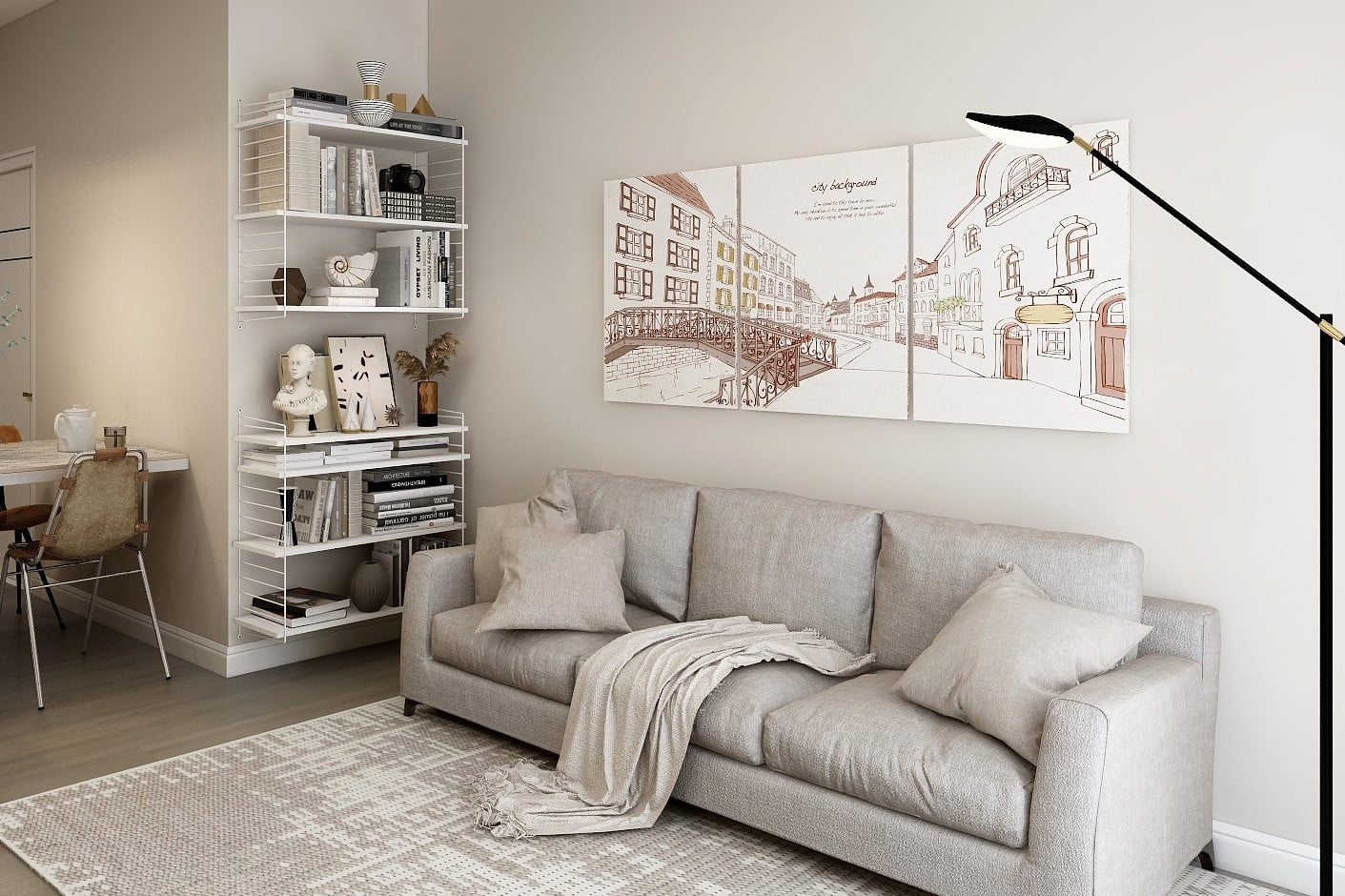
Choosing between concealed and exposed support systems impacts not only the visual appearance of your shelving installation but also installation timelines, maintenance considerations, and long-term durability. A concealed shelf bracket hides fastening hardware behind the shelf itself, creating a minimalist, floating appearance that appeals to modern interior design. In contrast, exposed mounting leaves the support structure visible, offering industrial aesthetics while potentially simplifying installation. Understanding these distinctions helps property owners, designers, and facility managers select the appropriate heavy duty shelf support solution for residential, commercial, or industrial applications.
Understanding Concealed Shelf Bracket Systems
Design and Aesthetic Appeal
A concealed shelf bracket system positions support hardware entirely within the wall or behind the shelf, eliminating visible fastening points. This design creates the popular 'floating shelf' appearance that dominates contemporary interior design. Concealed shelf brackets typically use wall-mounted rods, pins, or brackets that insert into pre-drilled shelf cavities, leaving only the shelf visible from the front. This aesthetic approach is particularly valuable in modern homes, retail displays, and corporate offices where clean lines and uncluttered surfaces are design priorities. The visual simplicity of concealed mounting makes spaces appear larger and more professionally finished.
Installation and Technical Considerations
Installing a concealed shelf bracket requires precise measurement, drilling accuracy, and careful planning before assembly. The shelf must be specially prepared with internal cavities or channels to accommodate support rods or bracket components. Installation typically involves locating wall studs, drilling pilot holes, inserting mounting hardware, and positioning the shelf carefully to align with concealed supports. This process demands more skill and time than exposed mounting, and mistakes can compromise both functionality and appearance. A properly installed concealed shelf bracket system can support substantial weight when mounted correctly into solid wall framing, making it suitable for heavy duty shelf support applications when designed appropriately.
Exploring Exposed Shelf Bracket Technology
Practical and Visible Design
Exposed shelf brackets display support hardware openly, with visible mounting arms, brackets, or L-shaped supports connecting the shelf to the wall. This transparent design approach appeals to industrial, rustic, and transitional interior styles where visible structure contributes to overall aesthetic appeal. The wall shelf bracket remains clearly visible, becoming a design element rather than concealed infrastructure. Exposed mounting systems are commonly used in commercial kitchens, warehouses, garages, and industrial facilities where functionality and durability take priority over minimalist aesthetics. The visible nature of exposed brackets actually communicates structural integrity and confidence in the support system's capacity.
Installation Advantages and Load Performance
Exposed shelf bracket installation is generally faster and more straightforward than concealed systems, requiring less precision in shelf preparation. Standard heavy duty shelf support brackets mount directly to wall studs using fasteners that remain visible, making troubleshooting and adjustments simpler if needed. Because the support structure is external rather than integrated into the shelf, installation flexibility is greater, and bracket styles can be mixed or replaced without shelf modification. Exposed mounting typically accommodates higher load capacities more transparently, as the robust bracket design is immediately apparent. Commercial-grade shelf brackets designed for heavy loads often employ exposed mounting because it allows for larger, more visible support structures that project confidence in weight-bearing capability.
Comparative Applications and Selection Criteria
Residential and Commercial Context
Residential applications frequently favor concealed shelf brackets when aesthetics matter, such as in bedrooms, living rooms, and bathrooms where minimalist design is desired. Conversely, kitchens, garages, and utility areas often feature exposed wall shelf brackets because accessibility and load-bearing transparency are practical priorities. Commercial retail environments often select concealed mounting to create high-end, gallery-like displays, while industrial storage facilities rely on exposed heavy duty shelf support systems designed for maximum weight capacity and durability. The choice between concealed and exposed ultimately reflects the project's balance between visual design goals and functional requirements. Understanding your space's primary purpose—display, storage, or hybrid functionality—guides appropriate bracket selection.
Load Capacity and Structural Integrity
Concealed shelf brackets can achieve equivalent load capacity to exposed systems when properly engineered and installed into solid wall construction. However, their load capacity depends critically on wall quality, stud spacing, and anchor depth, making installation accuracy paramount. Heavy duty shelf support requirements often favor exposed brackets because their visible, robust construction allows structural designers to clearly communicate weight limits and support philosophy. Exposed wall shelf bracket systems permit larger, more visible fasteners and bracket components, which can simplify load distribution and inspection. Both systems can support substantial weight; the distinction lies in transparency and installation risk, where exposed mounting reduces the possibility of concealed installation failures.
FAQ
What is the main difference between concealed and exposed shelf brackets?
The primary difference lies in visibility: concealed shelf brackets hide fastening hardware behind or within the shelf to create a floating appearance, while exposed shelf brackets display support arms and fasteners visibly. Concealed mounting prioritizes aesthetics and minimalist design, whereas exposed mounting emphasizes functionality, structural transparency, and industrial styling. Both can support equivalent weights when properly installed and engineered, but installation methods, timelines, and design intentions differ substantially.
Can a concealed shelf bracket system support heavy duty applications?
Yes, a concealed shelf bracket can support heavy loads when designed correctly and installed into solid wall framing with appropriate fasteners. However, concealed systems require precise installation to ensure internal support components are properly anchored. For heavy duty shelf support requirements, concealed mounting demands higher installation expertise and planning than exposed alternatives. Many industrial and commercial heavy-load applications choose exposed mounting because the visible structure simplifies load verification and inspection protocols.
Which mounting system is easier to install?
Exposed shelf bracket installation is generally faster and requires less precision than concealed systems, as brackets mount directly to walls using standard fasteners without requiring custom shelf preparation. A concealed shelf bracket system demands careful measurement, drilling accuracy, and shelf cavity preparation before assembly, making installation more complex. For DIY projects and installations requiring speed, exposed mounting proves more practical. For design-focused projects prioritizing aesthetics, the additional installation complexity of concealed systems is typically justified by visual results.