 EN
EN

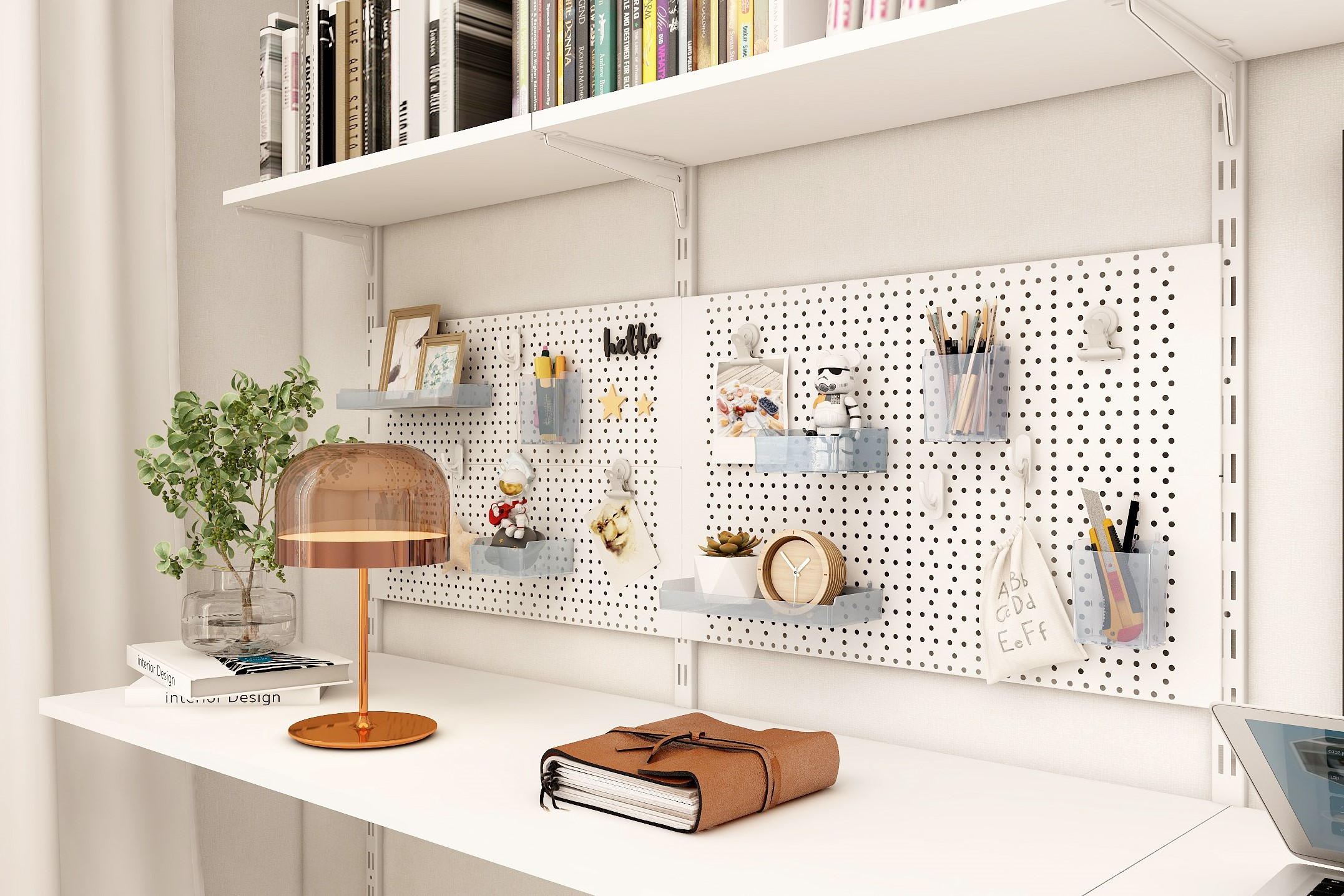
Selecting the right storage shelves unit can transform your living or working space from cluttered chaos into an organized haven. Whether you're dealing with limited space in a home office or trying to maximize storage in a commercial environment, the perfect shelving solution requires careful consideration of multiple factors. From material quality and load capacity to aesthetic appeal and installation requirements, every aspect plays a crucial role in making an informed decision that will serve you well for years to come.
Understanding Different Types of Storage Shelving Systems
Fixed Shelving Solutions
Fixed shelving systems provide permanent storage solutions that offer exceptional stability and durability. These units are typically mounted directly to walls or designed as freestanding structures that remain in one location. The primary advantage of fixed shelving lies in its ability to support heavy loads consistently over time. When choosing fixed shelving, consider the long-term storage needs of your space, as relocating these units can be challenging once installed.
The installation process for fixed shelving requires careful planning and often professional assistance, especially for wall-mounted systems. Proper wall anchoring is essential to ensure safety and prevent accidents. Many homeowners and office managers prefer fixed shelving for areas where storage needs remain constant, such as pantries, closets, and archive rooms.
Adjustable and Modular Options
Adjustable shelving systems offer flexibility that adapts to changing storage requirements. These units feature movable shelves that can be repositioned at various heights to accommodate items of different sizes. The versatility of adjustable systems makes them ideal for growing businesses or households where storage needs evolve over time.
Modular shelving takes flexibility one step further by allowing users to add or remove entire sections as needed. This scalability makes modular systems particularly valuable in commercial settings where inventory levels fluctuate. The investment in quality modular shelving often pays dividends through years of adaptable service.
Material Considerations for Optimal Performance
Steel and Metal Construction
Steel shelving units represent the gold standard for industrial and commercial applications due to their exceptional strength-to-weight ratio. High-grade steel construction can support substantial loads while maintaining structural integrity over extended periods. The corrosion resistance of properly treated steel ensures longevity even in challenging environments with fluctuating humidity levels.
When evaluating steel shelving options, pay attention to the gauge thickness of the material. Lower gauge numbers indicate thicker steel, which translates to higher load capacity and greater durability. Powder-coated finishes provide additional protection against rust and wear while offering aesthetic appeal that complements modern office and home decor.
Wood and Composite Materials
Wooden shelving units bring warmth and natural beauty to any space while providing adequate storage capacity for most residential and light commercial applications. Solid hardwood construction offers superior durability compared to particle board or MDF alternatives. However, wood requires more maintenance than metal options and may be susceptible to moisture damage in certain environments.
Engineered wood products and laminates provide cost-effective alternatives that combine aesthetic appeal with improved moisture resistance. These materials often feature attractive finishes that mimic natural wood grain while offering enhanced stability and consistent performance across varying environmental conditions.
Load Capacity and Weight Distribution Factors
Calculating Your Storage Requirements
Determining the appropriate load capacity for your storage shelves unit begins with a thorough assessment of the items you plan to store. Document the weight and dimensions of your heaviest items, then calculate the total weight per shelf level. Always include a safety margin of at least 20% beyond your calculated requirements to account for future storage needs and prevent overloading.
Consider not only the total weight capacity but also how weight will be distributed across each shelf. Concentrated loads in the center of a shelf create different stress patterns than evenly distributed weight. Understanding these dynamics helps prevent sagging and ensures long-term structural integrity of your shelving system.
Safety Standards and Compliance
Professional-grade shelving systems should comply with relevant industry safety standards and building codes. Look for certifications from recognized testing organizations that validate load ratings and structural performance. These certifications provide assurance that the shelving will perform safely under specified conditions.
Regular inspection and maintenance of your shelving system helps identify potential issues before they become safety hazards. Check for signs of stress, corrosion, or damage, and replace components as needed to maintain optimal safety standards throughout the life of your investment.
Space Planning and Dimensional Considerations
Measuring Available Space Accurately
Accurate measurements form the foundation of successful shelving installation. Measure not only the floor space but also ceiling height, accounting for any obstacles such as light fixtures, sprinkler systems, or HVAC components. Consider how doors and drawers in the area will function with shelving in place, ensuring adequate clearance for normal operations.
Create a detailed floor plan that shows the proposed shelving layout in relation to existing furniture and fixtures. This visual representation helps identify potential conflicts and optimization opportunities before making a purchase commitment. Digital planning tools can simplify this process and allow for easy modifications to your design.
Maximizing Vertical Storage Efficiency
Effective vertical storage utilization can dramatically increase your available storage capacity without expanding your footprint. Consider the height of items you need to store and plan shelf spacing accordingly. Variable shelf heights within a single unit can accommodate different types of items while maximizing space efficiency.
Access frequency should influence your vertical storage strategy. Place frequently used items at comfortable reaching heights while reserving higher and lower shelves for items accessed less regularly. This approach improves workflow efficiency and reduces the risk of injury from reaching or bending awkwardly.
Installation Requirements and Setup Considerations
Professional vs DIY Installation
The complexity of your chosen storage shelves unit determines whether professional installation is necessary or if DIY assembly is feasible. Simple bolt-together systems often include comprehensive instructions and require only basic tools for successful assembly. However, wall-mounted systems or heavy-duty industrial shelving typically benefit from professional installation to ensure proper anchoring and safety.
Evaluate your skill level, available time, and tool inventory before deciding on the installation approach. Professional installation may cost more initially but can save time and ensure compliance with safety requirements. Many manufacturers offer installation services or can recommend qualified contractors familiar with their specific products.
Preparation and Site Readiness
Proper site preparation contributes significantly to successful shelving installation and long-term performance. Ensure floors are level and capable of supporting the combined weight of the shelving system and stored items. Uneven surfaces may require shimming or leveling compounds to provide stable support.
Clear the installation area completely and protect surrounding surfaces from potential damage during assembly. Having adequate lighting and workspace around the installation site facilitates efficient work and reduces the risk of errors or accidents during setup.
Cost Analysis and Budget Planning
Initial Investment vs Long-term Value
Quality shelving systems represent a long-term investment that can provide decades of reliable service when chosen appropriately. While premium options may require higher initial expenditure, their durability and performance often result in lower total cost of ownership compared to budget alternatives that require frequent replacement or repair.
Consider the indirect costs associated with inadequate shelving, such as damaged inventory, inefficient workflows, or safety incidents. These hidden costs can quickly exceed the price difference between budget and professional-grade options, making quality shelving a wise financial decision.
Financing and Procurement Options
Many suppliers offer flexible financing options that can spread the cost of quality shelving systems over time. Business customers may benefit from volume discounts, extended payment terms, or leasing arrangements that preserve working capital for other operational needs.
Research warranty coverage and service support when evaluating different suppliers. Comprehensive warranties and responsive customer service add value to your investment and provide peace of mind throughout the ownership period. Some manufacturers offer extended warranty options that further protect your investment.
Maintenance and Longevity Factors
Regular Inspection and Care
Implementing a regular maintenance schedule helps extend the life of your storage shelves unit while maintaining optimal safety and performance. Monthly visual inspections can identify loose connections, wear patterns, or damage that requires attention. Address minor issues promptly to prevent them from developing into major problems that could compromise safety or functionality.
Keep shelving systems clean and free from excessive dust or debris that could accelerate wear or create safety hazards. Use appropriate cleaning methods for your specific shelving material, avoiding harsh chemicals that might damage protective coatings or finishes.
Replacement Parts and Upgrades
Choose shelving systems from manufacturers that maintain adequate parts inventory and support existing products over time. The availability of replacement components can significantly extend the useful life of your shelving investment and allow for modifications or expansions as your needs change.
Consider the upgrade potential of your shelving system when making your initial selection. Systems that allow for easy modification or expansion provide greater long-term value and flexibility as your storage requirements evolve over time.
FAQ
What is the difference between residential and commercial grade storage shelving units
Commercial grade storage shelves unit systems are engineered to meet higher load capacities, more frequent use, and stricter safety standards compared to residential options. They typically feature heavier gauge materials, reinforced connections, and comply with commercial building codes. While residential shelving focuses on aesthetics and moderate load capacity, commercial systems prioritize durability and maximum storage efficiency for business environments.
How do I determine the right shelf depth for my storage needs
Shelf depth should be based on the largest items you plan to store, plus allowance for easy access and air circulation. Measure your typical storage items and add 2-4 inches to the deepest dimension. Consider that deeper shelves may require stronger support structures and can make items in the back harder to access. Standard depths range from 12 inches for light storage to 24 inches or more for heavy industrial applications.
Can I modify or expand my shelving system after initial installation
Most quality modular shelving systems are designed for expansion and modification throughout their service life. However, compatibility depends on the specific manufacturer and model you choose. Before purchasing, verify that additional components will remain available and confirm expansion procedures with your supplier. Some systems allow horizontal or vertical expansion while maintaining structural integrity and warranty coverage.
What safety precautions should I take when loading heavy items on shelves
Always distribute weight evenly across the entire shelf surface and never exceed manufacturer load ratings. Place heavier items on lower shelves to maintain stability and reduce tipping risk. Use proper lifting techniques and mechanical aids when handling heavy objects. Secure tall or unstable items to prevent falling, and consider anchoring tall shelving units to walls for additional stability, especially in areas with seismic activity or high traffic.
Table of Contents
- Understanding Different Types of Storage Shelving Systems
- Material Considerations for Optimal Performance
- Load Capacity and Weight Distribution Factors
- Space Planning and Dimensional Considerations
- Installation Requirements and Setup Considerations
- Cost Analysis and Budget Planning
- Maintenance and Longevity Factors
- FAQ