 EN
EN

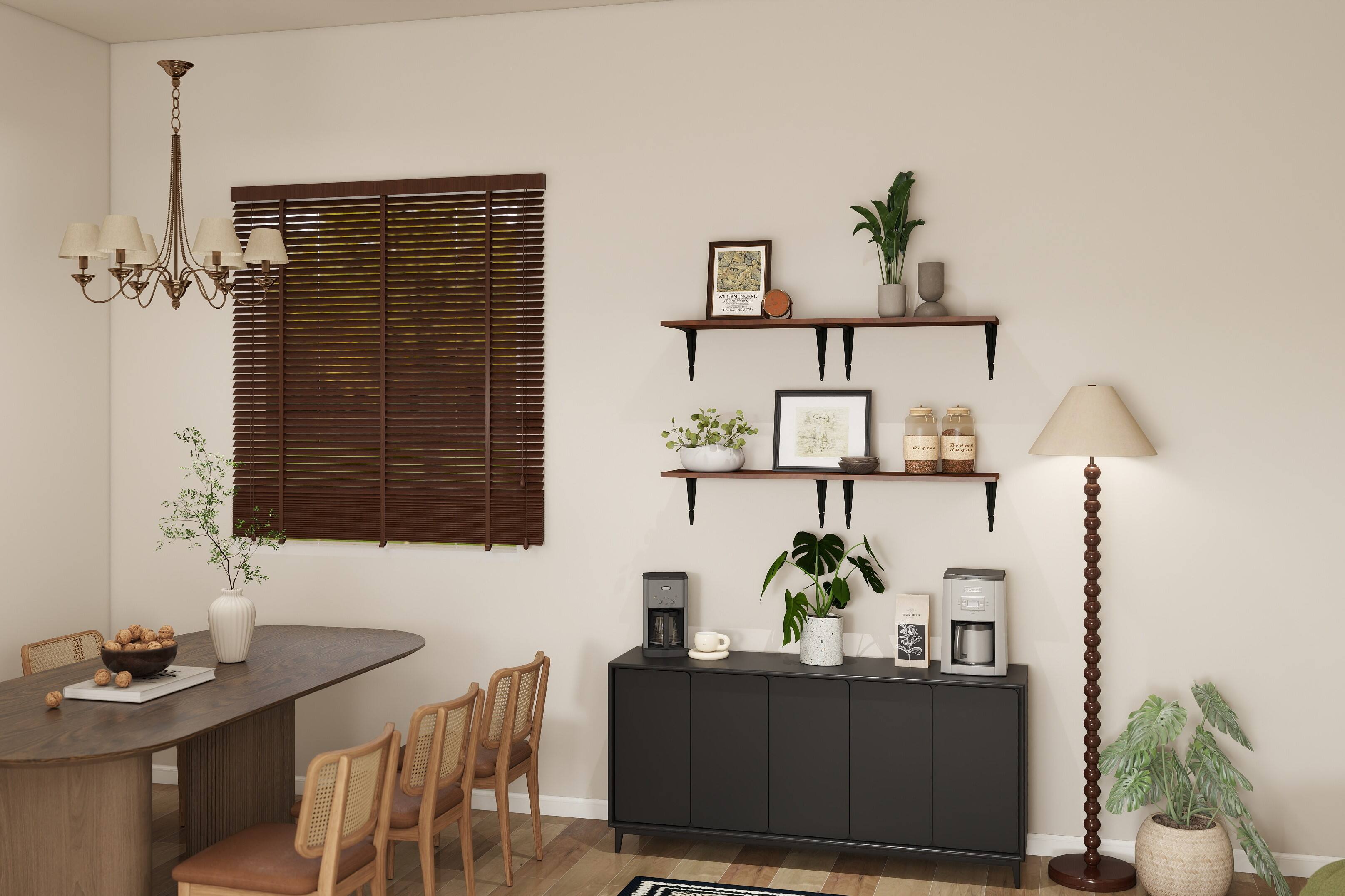
The design landscape of 2026 is witnessing a remarkable shift towards organic aesthetics that seamlessly blend natural warmth with contemporary minimalism.
This emerging trend represents more than just visual appeal; it embodies a philosophy of sustainable living and mindful design choices. As interior designers and architects seek to create spaces that feel both sophisticated and welcoming, the integration of warm wood elements with clean, minimalist structures has become the cornerstone of modern design language. This approach not only satisfies our innate connection to nature but also addresses the practical needs of contemporary living spaces.
Understanding the Organic Design Movement
Natural Elements Meet Modern Functionality
The organic design movement represents a conscious departure from sterile, purely functional spaces towards environments that nurture human well-being. This design philosophy emphasizes the use of natural materials, earth-toned color palettes, and systems that prioritize clean utility. Wall-mounted modular systems have become essential components in this design approach, offering both structural support and aesthetic appeal. Products like the BOMEDA Wood Board Wire Ladder Kit (Single Tire) exemplify this principle, combining sleek, minimalist metal uprights with the inherent warmth of wood boards.
The integration of organic shapes with functional elements creates a unique design language that speaks to our fundamental need for connection with nature. This kit provides a perfect example by pairing the industrial-chic simplicity of a wire ladder frame with the natural texture of wood boards. This approach allows designers to create storage and display systems that feel integrated rather than imposed upon the space. The result is an environment that feels both organized and organically evolved.
Sustainability and Conscious Material Selection
Environmental consciousness drives much of the organic design trend, with designers increasingly selecting materials based on their sustainability credentials and lifecycle impact. Systems that utilize durable metals and sustainably sourced or long-lasting wood components align perfectly with this ethos. The longevity of well-designed modular systems also contributes to sustainable design practices by reducing the need for frequent replacements. This approach resonates with consumers who value both environmental responsibility and aesthetic excellence.
The material selection process in organic design extends beyond environmental considerations to include sensory experiences and emotional responses. Natural wood finishes, brushed metals, and textured surfaces create tactile richness that enhances the user experience. The combination of wood and metal in a single system becomes an integral part of the design narrative rather than a purely functional afterthought. This holistic approach ensures that every element contributes to the overall design harmony.
The Warm Wood Renaissance
Texture and Warmth in Contemporary Spaces
Wood has experienced a renaissance in contemporary design, moving beyond traditional applications to become a dominant force in modern interiors. The appeal lies in wood's ability to soften hard edges while maintaining structural integrity and visual sophistication. When combined with minimalist metal structures, wood elements create a perfect balance between industrial efficiency and organic warmth. This combination addresses the common challenge of making organized spaces feel inviting and personally meaningful.
The psychological impact of wood in interior spaces cannot be understated, as research consistently demonstrates its positive effects on stress reduction and overall well-being. Systems that incorporate wood shelves or accents help create environments that support both productivity and relaxation. The natural grain patterns and warm tones of wood provide visual interest and depth that pure minimalism sometimes lacks, creating spaces that feel lived-in rather than sterile.
Wood Species and Finish Innovations
The selection of wood species and finishes has become increasingly sophisticated, with designers choosing materials based on grain patterns, color variations, and durability characteristics. Light woods create bright, airy atmospheres that complement the clean lines of modern metal structures. These combinations work particularly well in Scandinavian-inspired designs where simplicity and functionality reign supreme. The natural variations in wood grain add organic unpredictability to otherwise structured environments.
Darker wood tones provide dramatic contrast when paired with light-colored metal frames or bright backgrounds. This contrast creates visual hierarchy and focal points within minimalist spaces without compromising the overall design coherence. Advanced finishing techniques now allow wood to maintain its natural character while gaining improved durability. These innovations make wood a practical choice for high-traffic areas and professional environments.
Minimalist Structure Philosophy
The Power of Reduction
Minimalist design philosophy centers on the principle that reduction leads to clarity and enhanced functionality. This approach removes visual clutter while maintaining all necessary functions, creating spaces that feel spacious and purposeful. Modular wall systems embody this philosophy by providing maximum storage and display capability with minimal visual impact. The clean lines and simple forms of a well-designed wire ladder frame support the minimalist aesthetic while delivering practical benefits.
The implementation of minimalist principles requires careful consideration of proportion, scale, and spatial relationships. The components must be sized and positioned to create visual balance while serving their functional purpose. This precision in placement and selection distinguishes professional minimalist design from simple austerity. The goal is to create environments that feel intentional and curated rather than empty or incomplete.
Functional Minimalism in Practice
Functional minimalism goes beyond aesthetic considerations to address the practical needs of modern living and working. Modular systems serve as organizational tools that support this philosophy by providing defined spaces for different types of items and activities. The vertical orientation of these systems maximizes floor space while creating clear sight lines that enhance the perception of spaciousness. This approach is particularly valuable in urban environments where space efficiency is paramount.
The modular nature of contemporary systems allows for customization without compromising minimalist principles. In a kit like the BOMEDA Wood Board Wire Ladder, components can be arranged to suit specific needs. This flexibility makes minimalist design more practical and sustainable over time, addressing one of the common criticisms of purely aesthetic minimalism. The result is spaces that maintain their design integrity while supporting diverse activities and changing lifestyles.
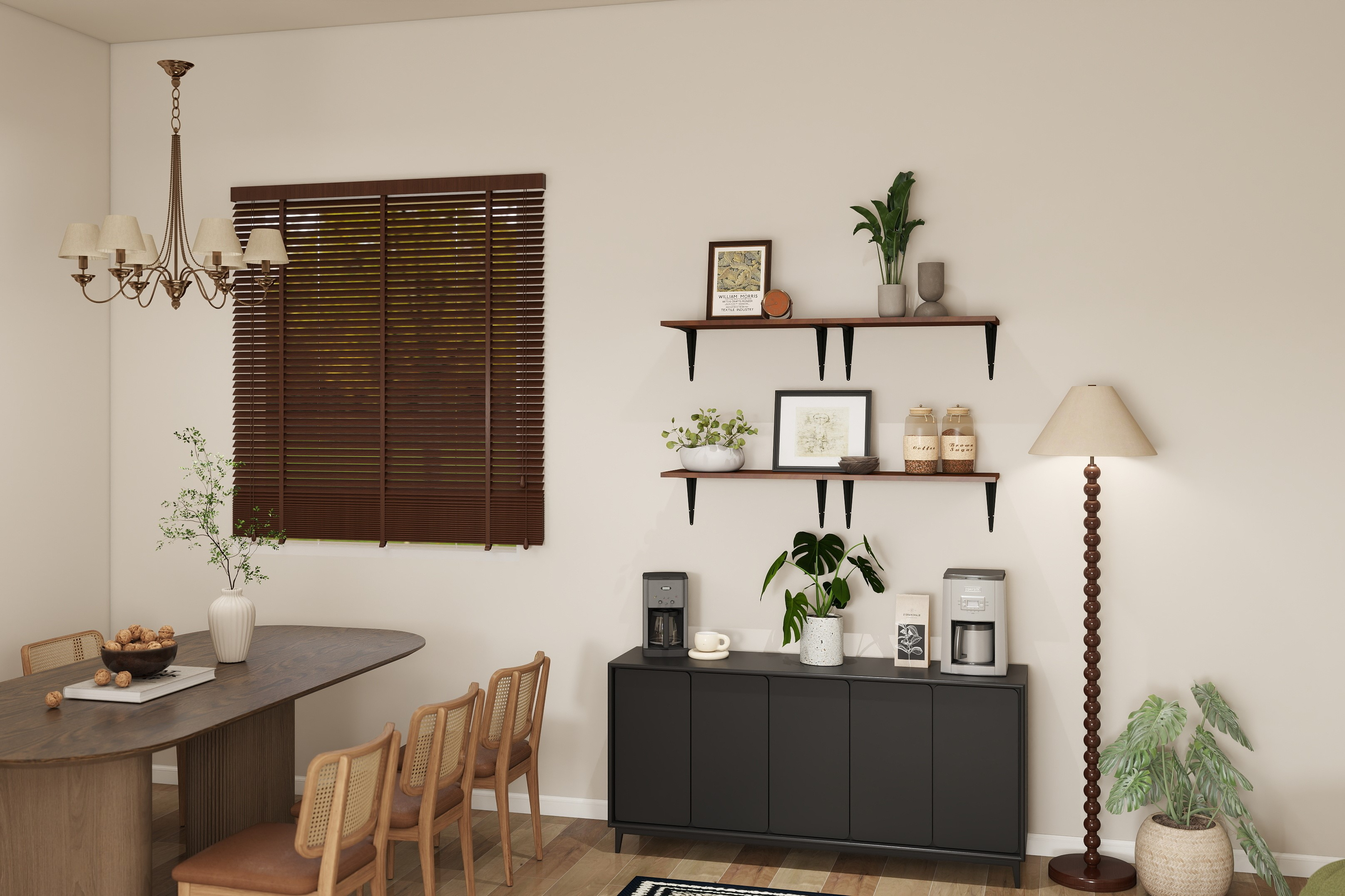
Integration Strategies for Modern Spaces
Spatial Planning and Flow
Successful integration of organic design elements with minimalist structures requires careful spatial planning that considers both visual and functional flow. Systems should be positioned to support natural movement patterns while creating logical zones for different activities. The vertical emphasis can be used to draw the eye upward, creating a sense of height and openness that enhances the organic design aesthetic. This strategic placement transforms functional storage into architectural elements that contribute to the overall design narrative.
The relationship between the system and other design elements must be carefully orchestrated to maintain visual harmony. These systems work best when they complement rather than compete with other features in the space. The key is to create a sense of intentional curation where every element serves both functional and aesthetic purposes. This approach ensures that the organic and minimalist elements work together to create cohesive environments.
Color Coordination and Material Harmony
Color coordination plays a crucial role in successfully integrating these hybrid systems into organic minimalist designs. Neutral tones such as warm whites, soft grays, and natural beiges provide a foundation that allows wood elements to take center stage while maintaining the clean aesthetic of minimalist design. The metal frame itself should complement rather than contrast with the overall color palette, creating visual continuity throughout the space.
Material harmony extends beyond color to include texture and finish consistency. Metal frames with matte or brushed finishes tend to work better in organic minimalist settings than high-gloss alternatives, as they create less visual distraction and better complement natural materials. The goal is to create a cohesive material story where different elements feel like they belong together naturally.
Technical Considerations and Installation
Structural Requirements and Wall Types
The successful installation of wall-mounted systems requires careful consideration of structural requirements and wall types. Different wall constructions, including drywall, concrete, brick, and steel studs, require specific fastening methods and weight distribution strategies. Professional installation ensures that the system can safely support its intended loads while maintaining the clean appearance that minimalist design demands. Proper planning also prevents damage to wall surfaces and ensures long-term stability.
Load calculations must account not only for the weight of the system itself but also for the maximum intended load of stored or displayed items. Systems in commercial applications may need to support significantly heavier loads than residential installations, requiring more robust fastening systems. These technical considerations must be addressed during the design phase to ensure both safety and aesthetic success.
Future Trends and Innovations
The future of design will continue to see deeper integration of natural materials with intelligent, minimalist structures. Sustainability will drive innovation in materials and manufacturing processes. Systems designed for disassembly, material recovery, and long-term adaptability will become standard, supporting the circular economy. This approach aligns with the long-term thinking that characterizes both organic and minimalist design philosophies, emphasizing quality, permanence, and environmental harmony over disposability.
Frequently Asked Questions
How do combined wood and metal systems contribute to organic minimalist design?
They contribute by providing clean, minimalist lines that create visual order while incorporating the natural warmth and texture of wood. The metal structure offers industrial efficiency and strength, while the wood elements introduce organic softness and warmth. This combination satisfies the human desire for connection to nature while maintaining the uncluttered, functional aesthetic that defines modern minimalism.
What are the practical benefits of a modular system like a wood board and wire ladder kit?
The primary benefits include space efficiency through vertical storage, flexibility in configuration to suit changing needs, and a clean aesthetic that reduces visual clutter. The combination of materials provides both durability (from the metal frame) and aesthetic warmth (from the wood). It allows for an organized display of items while maintaining an open, airy feel in the room.
Can this design trend work in small spaces or rental properties?
Absolutely. The vertical orientation of such systems is ideal for small spaces as it utilizes wall space without occupying valuable floor area. Their relatively minimal installation footprint and potential for non-destructive mounting options (with proper hardware) can make them suitable for rental properties, offering significant style and function without permanent alteration.
Is this style durable enough for everyday use in busy households?
Yes, when constructed with quality materials. A powder-coated metal frame resists corrosion and wear, while durable wood boards or shelves can withstand regular use. The minimalist design often means fewer crevices for dust collection, making it easier to maintain. Choosing appropriate finishes for both metal and wood ensures the system remains beautiful and functional over time.