 EN
EN

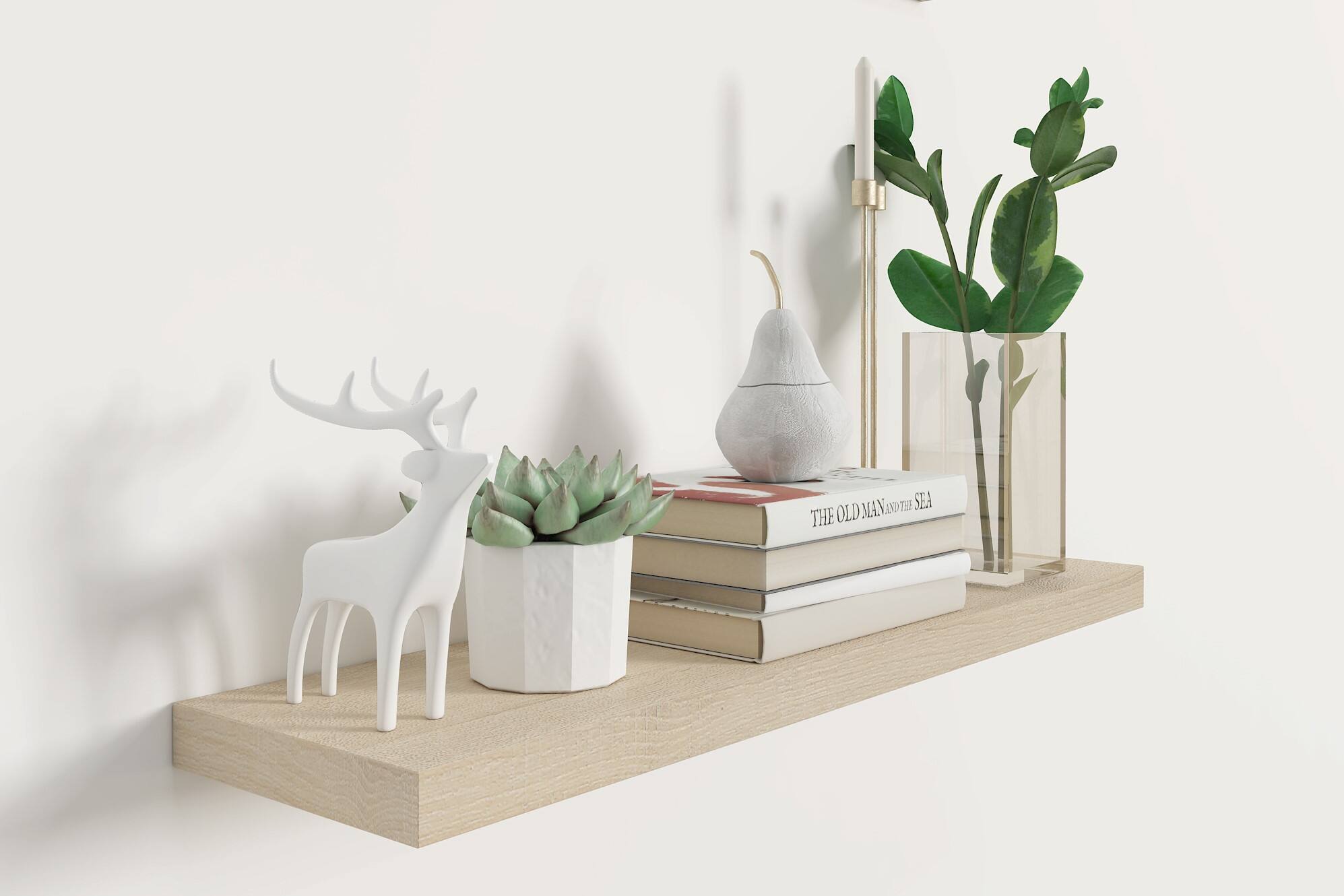
Create a Modern Entryway: The Floating Shelf Console Solution
The modern home demands solutions that blend functionality with aesthetic appeal, and nowhere is this more evident than in entryway design.
A floating shelf console represents the perfect marriage of contemporary style and practical storage, transforming any entryway into a sophisticated welcome space. These innovative pieces eliminate the visual bulk of traditional furniture while providing essential storage and display capabilities that today's homeowners require.
Contemporary interior design increasingly favors clean lines and uncluttered spaces, making the floating shelf console an ideal choice for discerning homeowners.
This furniture solution creates visual breathing room while maintaining the storage capacity needed for everyday essentials like keys, mail, and decorative accessories. The floating design principle allows floor space to remain visible, creating an illusion of expanded square footage that particularly benefits smaller entryways and narrow hallways. A solution like the BOMEDA Cambered Shelf Kit embodies this philosophy, offering the utility of a console table with the lightweight, wall-mounted profile of a shelf.
Professional designers consistently recommend floating shelf console options for their versatility in various architectural styles. Whether your home features minimalist Scandinavian influences, industrial loft aesthetics, or transitional design elements, these pieces adapt seamlessly to existing decor schemes. The clean horizontal lines complement both vertical wall treatments and horizontal architectural features, creating visual harmony throughout the space.
Design Fundamentals of Floating Console Systems
Structural Engineering and Weight Distribution
The engineering behind an effective floating shelf console requires careful consideration of weight distribution and structural support systems. Modern mounting hardware utilizes heavy-duty brackets and reinforcement plates that distribute load across multiple wall studs, ensuring long-term stability and safety. Professional installation techniques involve locating structural members within walls and using appropriate fasteners rated for the expected load capacity.
Advanced mounting systems incorporate adjustable components that accommodate slight variations in wall construction and allow for precise leveling during installation. These systems often feature concealed hardware that maintains the clean aesthetic while providing robust support for daily use. The best floating shelf console designs, like the BOMEDA Cambered Shelf, integrate reinforcement directly into the shelf's design—its cambered (slightly arched) profile is not just a stylistic detail but a structural element that enhances strength and rigidity. This creates a unified support system that eliminates visible brackets and provides reliable support for everyday items.
Material selection plays a crucial role in both structural integrity and visual appeal. High-quality floating shelf console units typically utilize engineered wood products, solid hardwood, or metal construction that provides adequate strength while maintaining the sleek profile essential to the floating aesthetic. The thickness and internal structure of these materials directly impact the unit's ability to support weight without deflection or sagging over time.
Proportional Relationships and Scale Considerations
Proper scaling ensures that a floating shelf console enhances rather than overwhelms the entryway space. Design professionals recommend measuring the wall area and calculating proportional relationships before selecting console dimensions. The ideal floating shelf console typically spans between sixty and seventy percent of the available wall width, creating balanced visual weight without appearing cramped or undersized.
Height placement requires consideration of both functional requirements and aesthetic preferences. Standard mounting height for a floating shelf console ranges from thirty-two to thirty-six inches from floor level, positioning the surface at comfortable working height while maintaining appropriate clearance for decorative items or lighting fixtures. This height also ensures compatibility with standard chair heights, allowing the console to function as an occasional workspace if needed.
Depth specifications must balance storage capacity with traffic flow requirements. Most effective floating shelf console designs measure between twelve and eighteen inches deep, providing adequate surface area for functional items while maintaining clear passage through the entryway. Deeper units may encroach on walkway space, while shallower options might not provide sufficient storage or visual presence to anchor the wall effectively.
Material Selection and Finish Options
Wood Species and Grain Patterns
Natural wood remains the most popular choice for floating shelf console construction due to its warmth, durability, and ability to complement various design styles. Hardwood species like oak, maple, and walnut provide excellent structural properties while offering distinctive grain patterns that add visual interest to the piece. These materials accept stains and finishes beautifully, allowing customization to match existing furnishings and architectural elements.
Engineered wood products offer additional stability and cost advantages while maintaining the appearance of solid wood construction. Modern manufacturing techniques create laminated and composite materials that resist warping and moisture-related movement better than solid wood options. These materials often feature real wood veneers that provide authentic appearance while delivering superior dimensional stability for floating shelf console applications.
Exotic wood species and reclaimed materials add unique character to custom floating shelf console designs. Reclaimed barn wood, industrial beams, and salvaged architectural elements bring historical character and environmental responsibility to contemporary installations. These materials often feature natural weathering, nail holes, and surface variations that create one-of-a-kind pieces with substantial visual impact.
Alternative Materials and Modern Finishes
Metal construction offers exceptional strength and contemporary appeal for floating shelf console applications. Stainless steel, aluminum, and powder-coated steel provide corrosion resistance and minimal maintenance requirements while supporting substantial weight loads. These materials work particularly well in industrial, minimalist, and contemporary design schemes where clean lines and functional aesthetics take precedence.
Composite materials and high-pressure laminates deliver durability and design flexibility at accessible price points. Modern laminate surfaces accurately replicate wood grains, stone textures, and solid colors while providing superior resistance to moisture, scratches, and daily wear. These materials often incorporate sustainable content and low-emission adhesives that support green building initiatives.
Glass and acrylic components add transparency and lightness to floating shelf console designs. These materials work effectively as shelf surfaces or decorative accents while maintaining the open feeling essential to floating furniture concepts. Tempered glass provides safety and durability, while acrylic offers impact resistance and easier installation due to its lighter weight characteristics.
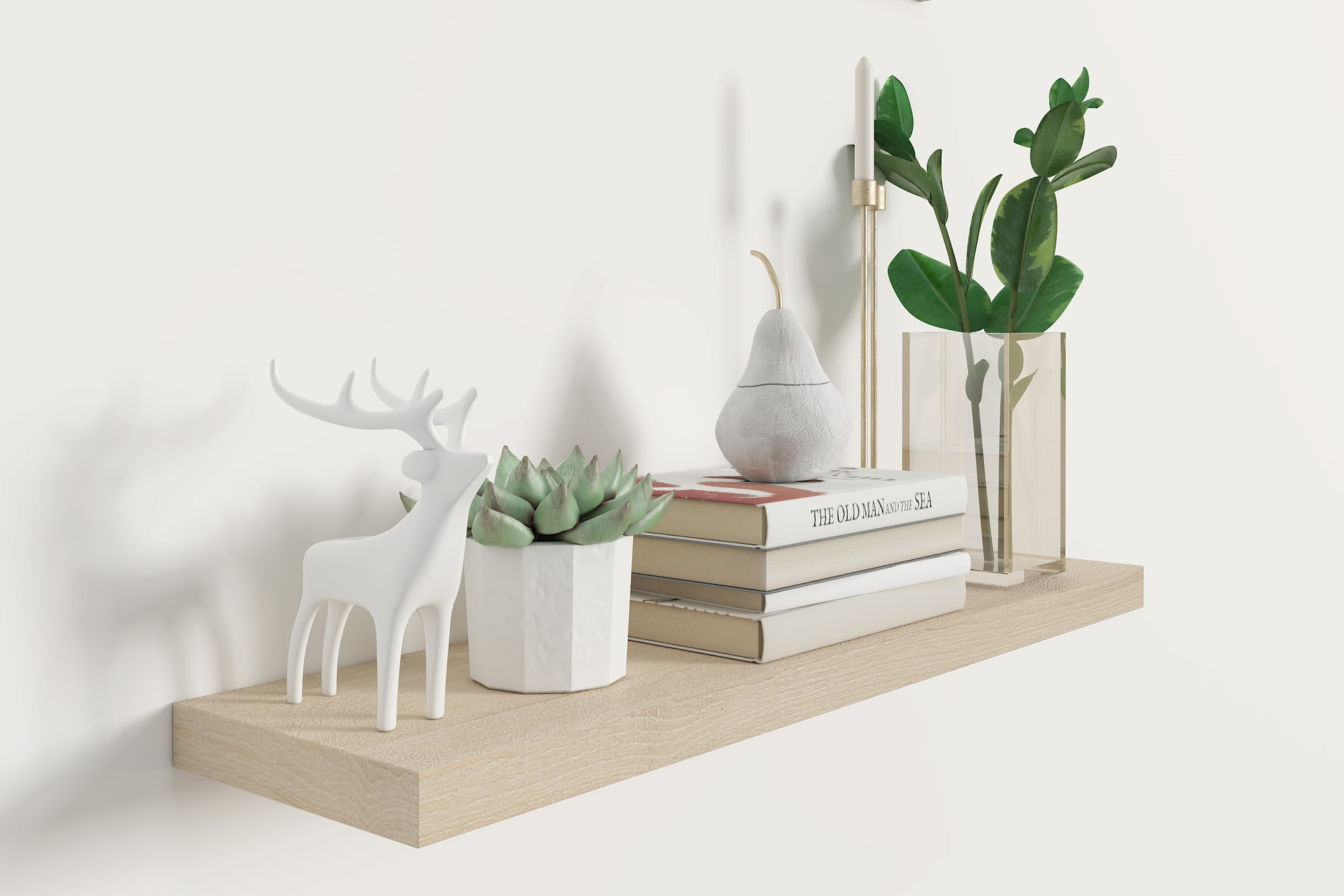
Installation Techniques and Professional Considerations
Wall Preparation and Structural Assessment
Successful floating shelf console installation begins with thorough wall analysis and proper preparation techniques. Professional installers use electronic stud finders, magnetic detectors, and probe techniques to locate structural framing members within walls. Understanding wall construction methods helps determine appropriate fastener types and spacing requirements for optimal load distribution and long-term stability.
Drywall thickness, insulation density, and electrical or plumbing obstacles require careful consideration during planning phases. Modern construction often includes horizontal blocking between studs specifically designed to support floating shelf console installations and similar wall-mounted furniture. Identifying these support systems enables more robust mounting solutions and reduces reliance on standard wall anchors.
Surface preparation involves ensuring proper wall flatness, addressing any irregularities, and protecting surrounding surfaces during installation. Professional-grade laser levels help establish perfectly horizontal reference lines that ensure the finished floating shelf console appears level and properly aligned. Careful measurement and marking prevent installation errors that could compromise both appearance and structural integrity.
Hardware Selection and Mounting Systems
Contemporary mounting hardware offers various approaches to floating shelf console installation, each with specific advantages and applications. Hidden bracket systems conceal all mounting hardware within the shelf structure, creating seamless floating appearances that enhance the minimalist aesthetic. These systems typically require precise measurements and careful alignment during installation but deliver superior visual results.
Heavy-duty wall anchors provide secure mounting in situations where structural framing is unavailable or inadequately positioned. Toggle bolts, expansion anchors, and specialized hollow wall fasteners can support substantial loads when properly selected and installed. However, these solutions require careful load calculations and may have lower weight capacities than direct stud mounting methods.
Adjustable mounting systems allow fine-tuning of shelf position after initial installation, accommodating minor measurement errors or settling that might occur over time. These systems often incorporate leveling mechanisms that simplify installation and ensure long-term alignment. Professional-grade hardware typically includes detailed installation instructions and load ratings that guide proper selection and use.
Styling and Decorative Integration
Accessory Placement and Visual Balance
Effective styling transforms a floating shelf console from simple storage into a sophisticated design element that enhances the entire entryway. Professional designers employ principles of visual weight, color balance, and scale relationships when arranging accessories and decorative objects. The goal involves creating intentional compositions that appear effortless while serving practical storage and display functions.
Grouping strategies utilize odd numbers of objects and varied heights to create dynamic visual interest. Combining organic shapes with geometric forms, matte finishes with reflective surfaces, and natural materials with manufactured items adds complexity and sophistication to floating shelf console displays. These contrasts prevent monotony while maintaining overall design coherence.
Functional integration ensures that decorative arrangements accommodate daily use patterns without sacrificing aesthetic appeal. Key bowls, mail sorters, and other practical items can be incorporated into styled arrangements through careful selection of attractive, functional pieces. The slim profile of a shelf console encourages curated displays rather than clutter, helping to maintain a tidy and intentional look. The most successful floating shelf console installations seamlessly blend beauty and utility in ways that enhance daily routines.
Lighting Integration and Ambiance Creation
Strategic lighting transforms floating shelf console installations into focal points that enhance entryway ambiance throughout different times of day. Under-shelf LED strips provide task lighting for practical activities while creating dramatic uplighting effects on wall surfaces above. These systems often include dimming capabilities and color temperature adjustment that adapt to various lighting needs and preferences.
Accent lighting directed at displayed objects creates visual hierarchy and draws attention to curated collections or seasonal decorations. Small spotlights, picture lights, or integrated LED systems can highlight specific areas of the floating shelf console while contributing to overall room illumination. Battery-powered and wireless options simplify installation in locations where electrical access might be challenging.
Natural lighting considerations influence both floating shelf console placement and styling decisions. Understanding how daylight patterns affect the entryway throughout the day helps optimize positioning for maximum visual impact. Reflective accessories and light-colored finishes can amplify available natural light, while darker elements provide visual anchoring in brightly lit spaces.
Maintenance and Long-Term Care
Cleaning Protocols and Surface Protection
Regular maintenance preserves both the appearance and functionality of floating shelf console installations throughout their service life. Different materials require specific cleaning approaches and protective measures that prevent damage while maintaining optimal appearance. Wood finishes benefit from gentle cleaning with appropriate wood care products, while metal surfaces may require specialized cleaners that prevent corrosion and maintain luster.
Dust accumulation and everyday soiling require consistent attention to prevent buildup that could compromise the clean aesthetic essential to floating shelf console designs. Microfiber cloths and gentle cleaning solutions remove surface contamination without scratching or dulling protective finishes. Regular cleaning also provides opportunities to inspect mounting hardware and structural components for signs of wear or loosening.
Protective measures extend service life and maintain appearance standards over time. Coasters, protective pads, and strategic placement of accessories prevent surface damage from daily use. Understanding the specific vulnerabilities of different materials helps develop appropriate protection strategies that preserve investment value while maintaining functional capability.
Hardware Inspection and Adjustment Procedures
Periodic inspection of mounting hardware ensures continued safety and structural integrity of floating shelf console installations. Seasonal changes in humidity and temperature can affect both wall materials and mounting systems, potentially requiring minor adjustments or tightening of fasteners. Professional installers often recommend annual inspections to identify and address potential issues before they become serious problems.
Load assessment becomes important as usage patterns change or additional weight is placed on the floating shelf console. Understanding the original load calculations and weight limits helps prevent overloading that could compromise structural integrity. Redistributing weight or removing excess items maintains safe operating conditions while preserving the mounting system.
Refinishing and restoration options extend the life of floating shelf console installations when wear or damage occurs. Many surface finishes can be refreshed through gentle sanding and reapplication of appropriate protective coatings. Professional refinishing services can address more substantial damage while maintaining the original design integrity and functional characteristics.
Frequently Asked Questions
What weight capacity can a properly installed floating shelf console support?
A professionally installed floating shelf console mounted to wall studs can typically support between 50-100 pounds when distributed evenly across the surface. The exact capacity depends on mounting hardware quality, wall construction, and shelf material thickness. The design of the shelf itself also matters; a BOMEDA Cambered Shelf is engineered with structural reinforcement to support typical entryway items reliably. Heavy-duty mounting systems with proper structural attachment can support even greater loads, but professional assessment is recommended for applications requiring maximum weight capacity.
How do I determine the correct height for mounting a floating shelf console in my entryway?
The optimal mounting height for a floating shelf console typically ranges from 32-36 inches from the floor, positioning the surface at comfortable working height for most adults. Consider the ceiling height, surrounding architectural features, and intended use patterns when making final height decisions. Taller spaces may accommodate higher mounting positions, while lower heights work better for accessibility or when coordinating with other furniture pieces.
Can floating shelf console units be installed on all wall types?
Floating shelf console installations are possible on most wall types including drywall, plaster, concrete, and masonry surfaces. However, each wall type requires specific mounting hardware and techniques for safe, secure attachment. Hollow walls need appropriate anchors or structural attachment points, while solid masonry requires masonry fasteners and proper drilling techniques. Professional consultation ensures appropriate methods for your specific wall construction.
What maintenance is required to keep a floating shelf console looking its best?
Regular dusting with microfiber cloths and periodic cleaning with appropriate material-specific products maintains optimal appearance for floating shelf console installations. Wood finishes benefit from occasional conditioning, while metal surfaces may require specialized cleaners to prevent corrosion. Annual inspection of mounting hardware ensures continued structural integrity, and prompt attention to any surface damage prevents more extensive repairs from becoming necessary.