 EN
EN


Организацията на склада е един от най-критичните операционни фактори за всеки бизнес, който работи с физически стоки. Независимо дали управлявате малък склад или голям разпределителен център, начина, по който съхранявате инвентарните си запаси, директно влияе върху ефективността на комплектуването, безопасността и използването на пространството. В основата на всеки добре организиран склад стои надеждна метални рафтове за съхранение — фундаментален елемент на инфраструктурата, който превръща хаотичното натрупване на пода в структурирана, достъпна и мащабируема система за управление на инвентара. Без нея складовете се борят с объркани стоки, бавно изпълнение на поръчки и дори предотвратими произшествия на работното място.
Разбирането на това защо е важна единицата за стелажно съхранение излиза далеч зад простото признание, че стелажите държат продукти. Става въпрос за осъзнаване на начина, по който правилното стелажно решение оформя цялата логика на работата на склада — от момента на пристигане на стоките до момента на тяхното изпращане. В тази статия се разглеждат конкретните причини, поради които инвестициите в качествена единица за стелажно съхранение са едно от най-влиятелните решения, които можете да вземете за подобряване на ефективността, безопасността и дългосрочната икономическа ефективност на склада.
Ролята на единицата за стелажно съхранение при оптимизиране на складовото пространство
Максимизиране на вертикалното пространство за разширяване на капацитета
Един от най-непосредствените предимства на единицата за стелажно съхранение е способността ѝ да използва вертикалното пространство. Повечето складове разполагат със значителна височина на тавана, която остава напълно неизползвана, когато стоките се натрупват на палети или се съхраняват директно на пода. Правилно проектираната единица за стелажно съхранение позволява на предприятията да умножат своя полезен капацитет за съхранение, без да разширяват физическия си обхват.
Чрез натрупване на запасите нагоре по контролиран и достъпен начин складовете намаляват необходимата площ на пода за всеки SKU, което директно намалява разходите за съхранение на единица. Това е особено ценно в градските логистични среди или по-малките обекти, където квадратните метри са на премия. Един модул за стелажи превръща кубичното пространство в продуктивно съхранение и ефективно разширява склада без никакви строителни разходи.
Когато височината и товароподемността на стелажите са адаптирани към конкретните продукти, които се съхраняват, ефектът от повишаването на ефективността е още по-изразен. Добре подбраният модул за стелажи не просто побира повече — той побира повече от правилните продукти в правилна конфигурация, като всяка квадратна метър се използва максимално ефективно.
Създаване на дефинирани зони и логичен поток на продуктите
Освен чистата вместимост, един стелаж за съхранение позволява на мениджърите на склада да създават структурирани зони, които отговарят на операционните работни процеси. Когато стелажите са подредени според категории стоки, честота на поръчките или партиди за изпращане, целият процес на комплектуване и попълване става по-бърз и по-точен. Персоналът повече не губи време в търсене на погрешно разположени артикули или в навигация из претъпкани проходи.
Логическото зониране, поддържано от последователна подредба на стелажите за съхранение, също опростява обучението и въвеждането в работа на персонала. Новите служители могат да усвоят картата на склада по-бързо, когато стоките са подредени на предвидими и ясно дефинирани места. Това намалява грешките и ускорява оборота по време на периоди с високо търсене.
Един стелаж за съхранение следователно действа като физически гръбнак на пространствения интелект на вашия склад — той не е просто мебел, а структурен инструмент, който осигурява ред, предсказуемост и ефективност на всеки етап от цикъла на управление на запасите.
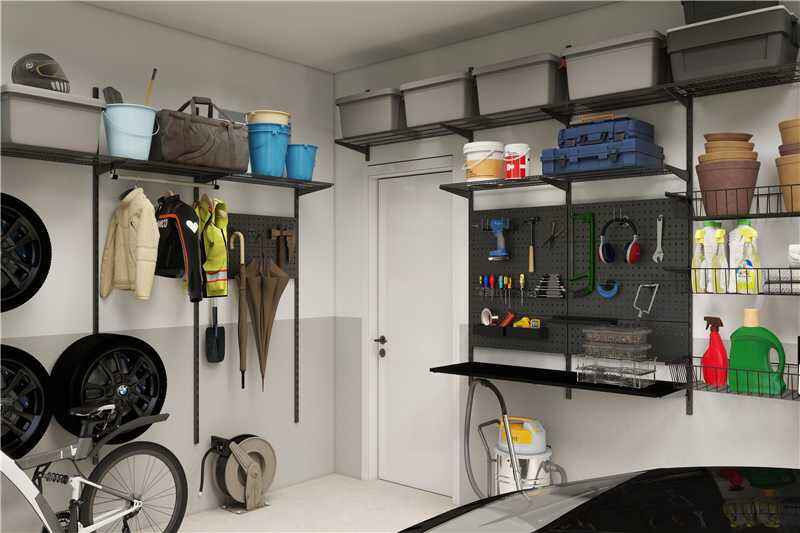
Как една система за стелажи за съхранение подпомага точността и контрола на инвентаризацията
Намаляване на неправилното разположение и разминаванията в инвентаризацията
Точността на инвентаризацията е една от най-устойчивите предизвикателства в управлението на складовете. Когато стоките се съхраняват без дефинирана система, неправилното им разположение става рутинно явление, а броят на наличните запаси става ненадежден. Една система за стелажи за съхранение решава този проблем, като предоставя фиксирани и маркирани места за всяка категория стоки или SKU. Всяка единица има определено място за съхранение, което значително намалява вероятността стоките да бъдат поставени на неподходящо място.
Когато е внедрена последователна структура на система за стелажи за съхранение, цикличното преброяване и физичните инвентаризации стават значително по-бързи и по-надеждни. Персоналът може да обхожда редовете на стелажите последователно, потвърждавайки нивата на запасите спрямо записите, без забавяния, причинени от търсене на неправилно разположени стоки. Това води директно до по-добри решения при покупките, намаляване на прекомерните запаси и по-малко случаи на липса на стоки.
Точният инвентар също е от съществено значение за предприятията, които внедряват системи за сканиране на баркодове или системи за управление на складовете. Един модул за стелажи осигурява стабилната физическа конструкция, от която тези цифрови инструменти зависят. Когато местоположенията на рафтовете се поддържат последователно, цифровите записи и физическата действителност остават синхронизирани, което намалява скъпоструващите несъответствия.
Подобряване на видимостта и практиките за ротация на запасите
Стелажите с открит достъп дават на персонала в склада ясна видимост на съхраняваните запаси, което прави много по-лесно моменталната оценка на нивата на наличност. Тази видимост е особено важна за продукти с ограничен срок на годност, при които трябва да се прилага принципът „първи влязъл – първи излязъл“, за да се предотврати развалянето или остаряването им. Един модул за стелажи с лесно достъпно разположение на продуктите отпред естествено подпомага правилните практики за ротация на запасите.
В сравнение със струпването на стоки в дълбоки купчини или затворени контейнери, отворената стелажна система позволява на операторите за подбор незабавно да установят дълбочината на продукта, състоянието на опаковката и количеството, без да е необходимо физическо пренареждане. Това спестява време по време на изпълнение на поръчки и също така помага на мениджърите да забелязват нуждите от попълване още преди да настъпи дефицит на наличност.
За складове, които обработват множество типове продукти с различни скорости на оборот, стелажната система прави възможно да се определят високоскоростните артикули близо до зоните за изпращане, а артикулите с по-ниска скорост на оборот – в по-дълбоките зони за съхранение. Това целенасочено разпределение, което е възможно благодарение на гъвкавите конфигурации на стелажите, допълнително усилва контрола върху целия запас.
Предимства за безопасност и съответствие на качествена стелажна система
Предотвратяване на инциденти, причинени от нестабилно съхранение
Безопасността на работното място в складовете е сериозна отговорност, а неправилното съхранение е един от основните фактори, допринасящи за предотвратими инциденти. Когато стоките се подреждат на пода или се балансират върху временни платформи, рисковете от преобръщане, падане или наранявания от премазване значително нарастват. Добре изградената стелажна система елиминира тези опасности, като осигурява устойчиви и проектирани за определена товароносимост платформи, които безопасно поемат конкретни товарни капацитети.
Стелажните системи от стомана по-специално предлагат необходимата твърдост и издръжливост за изискващите складови среди. Те устойчиви на деформация при продължително натоварване, не се огъват при температурни колебания и осигуряват предсказуема конструктивна производителност с течение на времето. Когато персоналът знае, че стелажната система е сертифицирана за определен товарен диапазон, той може да я натоварва с увереност, намалявайки поведението, основано на проби и грешки, което често предшества инцидентите.
Правилните ширини на проходите около един стелажен модул също допринасят за безопасността, като осигуряват безпрепятствено движение на вилкови товароподемници, палетни телеги и работници. Структурираното стелажно разположение по своята същност поддържа съответствие с изискванията за ширината на проходите по начин, който просто не може да бъде постигнат чрез натрупване на стоки ниво пода.
Подкрепа за съответствие с нормативните изисквания и готовност за ревизии
Много отрасли са подложени на регулаторни изисквания относно складирането на стоки — от стандарти за хранителна безопасност до протоколи за складиране на химикали. Един стелажен модул, който е правилно инсталиран, маркиран и поддържан, улеснява значително доказването на съответствие от страна на складовете по време на регулаторни инспекции или одити от трети страни. Подредените стелажи с ясна идентификация на продуктите сигнализират оперативна дисциплина както за одиторите, така и за клиентите.
Освен външното съответствие, поддържането на чисти и структурно издръжливи рафтове за съхранение подпомага вътрешните стандарти за управление на качеството. Предприятията, които преследват сертифициране по ISO или спазват конкретни рамки за качество, ще установят, че последователната употреба на рафтове укрепва резултатите от документирането, проследимостта и контрола на процесите.
Инвестирането в издръжлив и правилно подбран рафт за съхранение е следователно не само практически оперативен избор, но и проактивно решение за управление на рисковете, което намалява изложеността към отговорност и подпомага по-широката позиция на предприятието относно съответствие.
Дългосрочна оперативна и финансова стойност на рафт за съхранение
Намаляване на разходите за труд чрез повишаване на ефективността
Времето е най-скъпата променлива в складовите операции. Всеки минута, която работник прекарва в търсене на продукт, пренареждане на неорганизирано пространство или коригиране на грешка при комплектоване, представлява директна разходна стойност за труд. Мислено проектираната и инсталирана стелажна система минимизира всички тези непродуктивни дейности, като създава предвидима и организирана среда, в която всяко действие е целенасочено и ефективно.
Проучванията в областта на логистиката последователно показват, че структурираните стелажи значително намаляват средното време за комплектоване. Когато работниците могат да се ориентират лесно в ясно организирани редове и да намират стоките без колебание, производителността на един работник за час се увеличава. За складове с висок обем тази ефективност се умножава по хиляди ежедневни транзакции, което води до значителни натрупани спестявания с течение на времето.
Един модул за стелажи за съхранение също намалява честотата на връщанията и корекциите, причинени от грешки. По-малко грешки при комплектоването означават по-ниски разходи за обратна логистика, по-малко недоволство сред клиентите и по-ниско административно бреме върху екипите в склада. Финансовата възвръщаемост от инвестициите в качествен модул за стелажи за съхранение често се проявява в рамките на няколко месеца след внедряването.
Мащабируемост и адаптивност при промяна на бизнес нуждите
Изискванията към складовете рядко остават непроменени. Когато бизнесът расте, сезонното търсене се променя, асортиментът се разширява и операционните работни процеси се променят. Модулният стелаж за съхранение предлага гъвкавост за мащабиране и повторна конфигурация, без да се изисква значителна инвестиция в инфраструктура. Могат да се добавят допълнителни нива на рафтове, редовете могат да се преместят и конфигурациите могат да се адаптират според текущия профил на запасите.
Тази адаптивност е значително дългосрочно финансово предимство. Вместо да се заменят системите за рафтове, когато бизнесът се развива, добре избраната единица за складови рафтове може да бъде преорганизирана, за да отговаря на новите изисквания при минимални разходи. Това запазва капитала за инвестиции, като в същото време гарантира, че складовата система остава оперативно актуална.
Стоманените рафтови единици по-специално са особено подходящи за този вид адаптивност. Тяхната здрава конструкция осигурява, че преорганизациите не компрометират структурната цялост, а модулният им дизайн прави лесно добавянето на допълнителни единици от същата продуктова линия. За предприятията, които планират разширяване, изборът на мащабируема единица за складови рафтове от самото начало е решение, което дава резултати в дългосрочен план.
Често задавани въпроси
Какво прави единицата за складови рафтове подходяща за складова среда?
Един стелаж за съхранение, подходящ за употреба в склад, трябва да предлага достатъчна носимост, издръжливи материали като стомана или тежкоделен покрит метал, регулируема височина на рафтовете и стабилна рамка, която устойчива на деформация при продължително натоварване. Той също така трябва да е лесен за конфигуриране или разширяване при промяна на нуждите от съхранение. Съгласуването на размерите на рафтовете и техните натоварвания с конкретните продукти, които се съхраняват, гарантира както безопасността, така и оперативната ефективност.
Как един стелаж за съхранение подобрява скоростта на комплектоване в склада?
Стелажът за съхранение подобрява скоростта на комплектоване, като заделя фиксирани и ясно различими места за всеки продукт. Когато инвентарът постоянно се връща на същото място на рафта, работниците развиват пространствена памет за подредбата и могат да се ориентират без колебание. Ясното маркиране, логичното зониране на продуктите и свободният достъп до рафтовете допринасят за по-бързо и по-точно изпълнение на поръчките с по-малко грешки и забавяния.
Може ли един стелаж за съхранение да се използва в среди, различни от складовете?
Да. Макар че стелажната система за съхранение е основен елемент за организацията на складовото пространство, тя е еднакво приложима в складови помещения на търговски обекти, производствени предприятия, разпределителни центрове, гаражи и търговски кухни. Основните предимства — организирано съхранение, оптимизиране на пространството, видимост на стоките и безопасност — са актуални в много оперативни контексти. Ключовият момент е изборът на стелажна система с технически характеристики, подходящи за товарните изисквания, ограниченията по отношение на наличното пространство и характеристиките на стоките в конкретната среда.
Колко често трябва да се проверява стелажната система за съхранение с оглед на безопасното ѝ използване?
Единството за съхранение трябва да се подлага на визуална инспекция на регулярен базис — идеално веднъж седмично в складови среди с високо ниво на трафик. При инспекциите трябва да се проверяват признаци на структурно напрежение, огънати или повредени рафтове, разхлабени крепежни елементи и претоварване. Препоръчва се формален структурен преглед поне веднъж годишно или след всеки значителен удар или инцидент, свързан с товара. Незабавният ремонт или замяна на повредените компоненти предотвратява ескалирането на рисковете за безопасност и запазва цялостта на цялата система от рафтове.
Съдържание
- Ролята на единицата за стелажно съхранение при оптимизиране на складовото пространство
- Как една система за стелажи за съхранение подпомага точността и контрола на инвентаризацията
- Предимства за безопасност и съответствие на качествена стелажна система
- Дългосрочна оперативна и финансова стойност на рафт за съхранение
-
Често задавани въпроси
- Какво прави единицата за складови рафтове подходяща за складова среда?
- Как един стелаж за съхранение подобрява скоростта на комплектоване в склада?
- Може ли един стелаж за съхранение да се използва в среди, различни от складовете?
- Колко често трябва да се проверява стелажната система за съхранение с оглед на безопасното ѝ използване?