wall rail shelving for retail
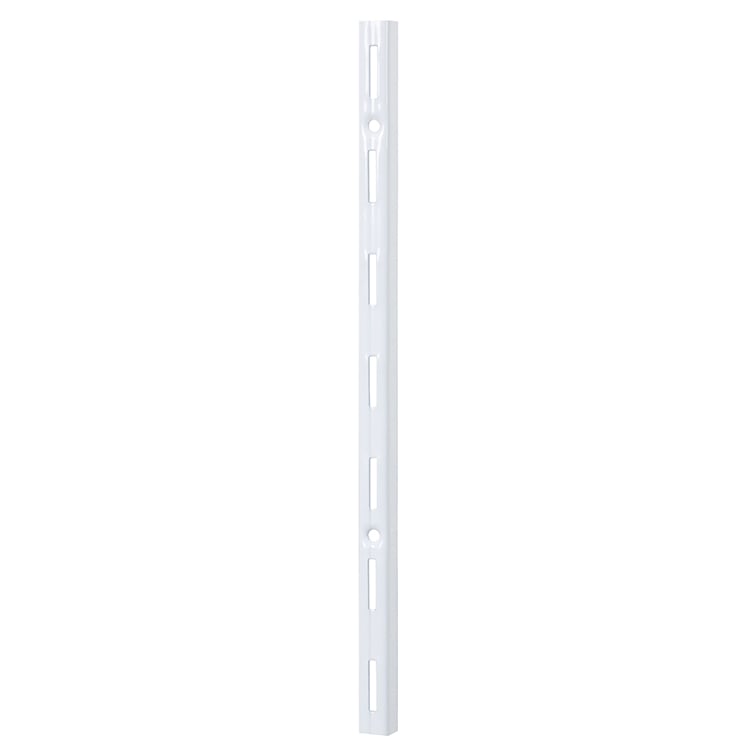
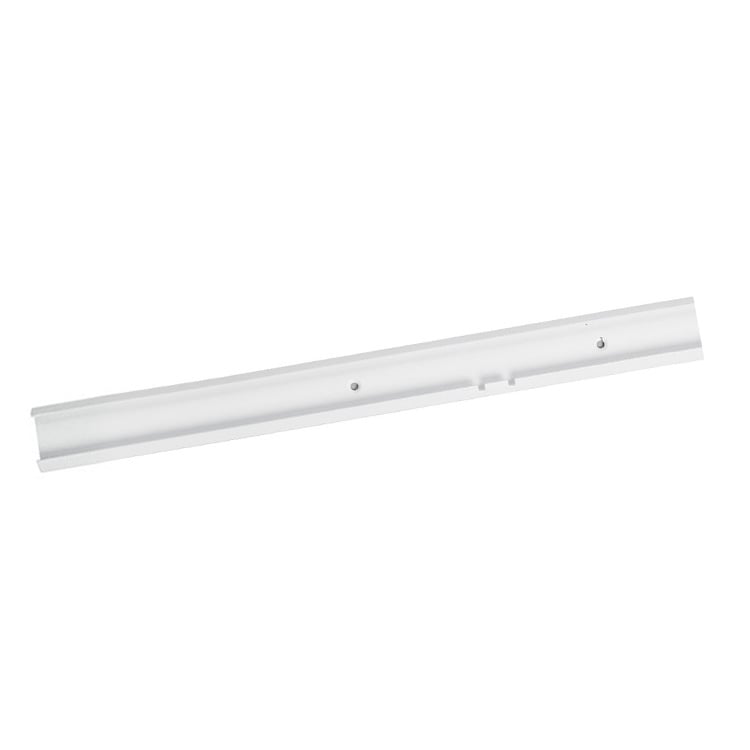
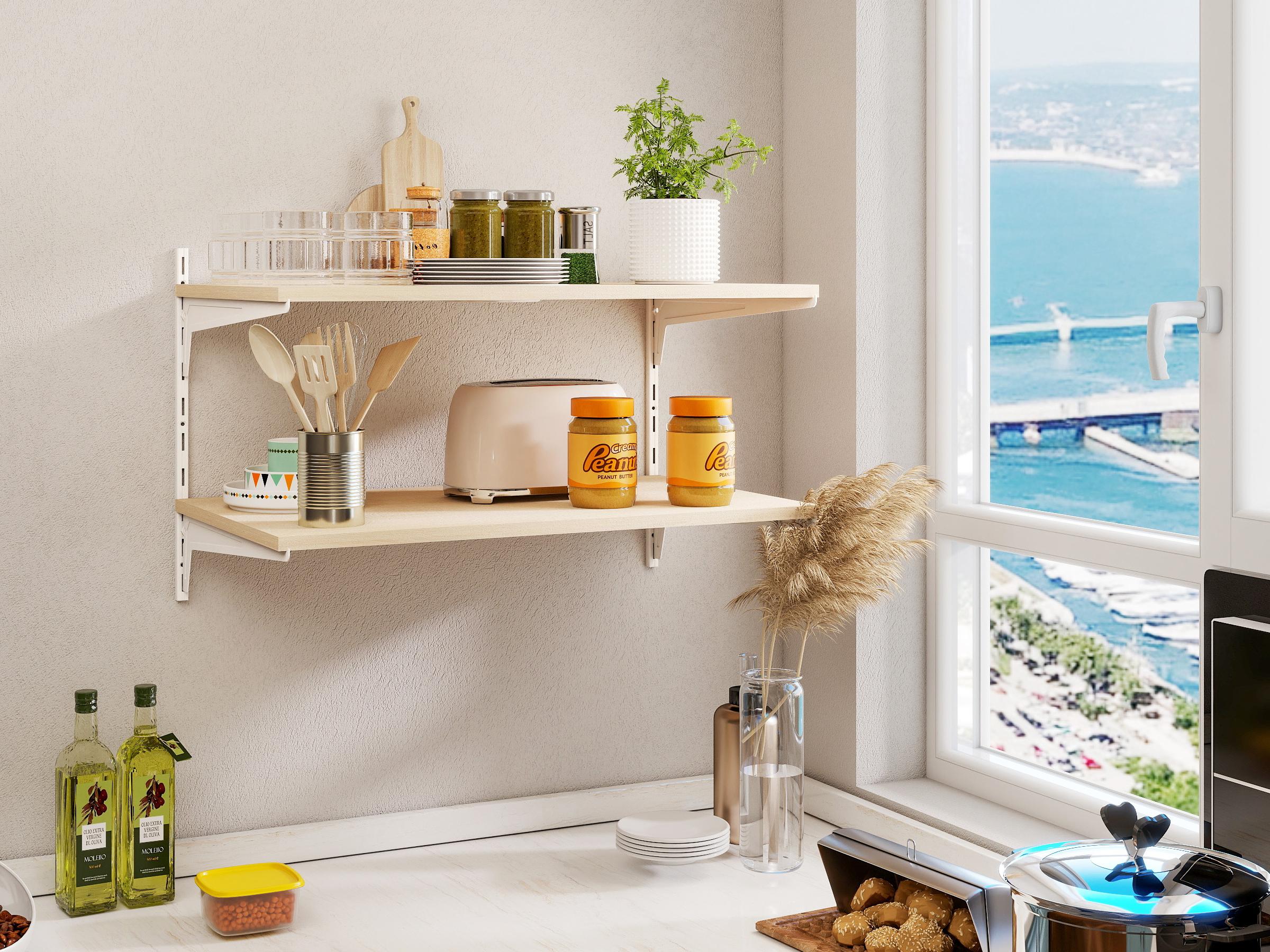
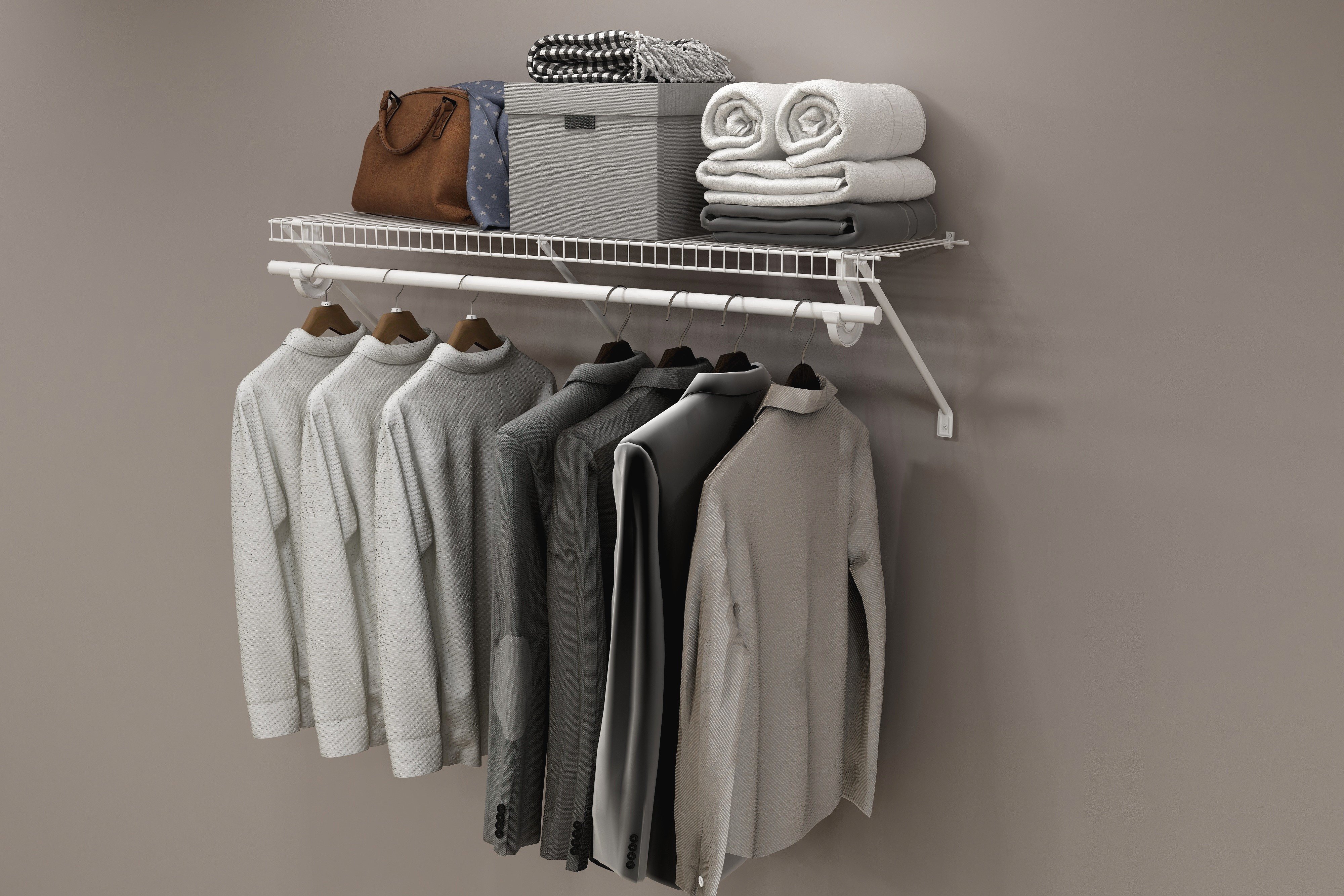
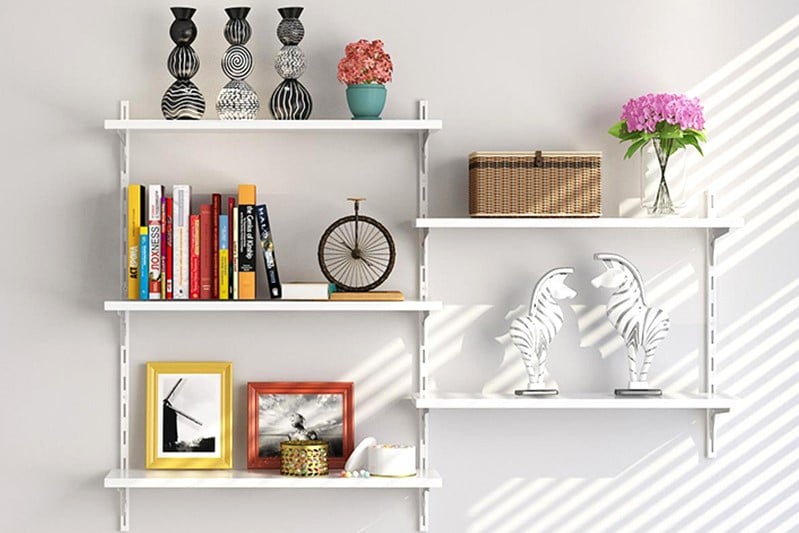
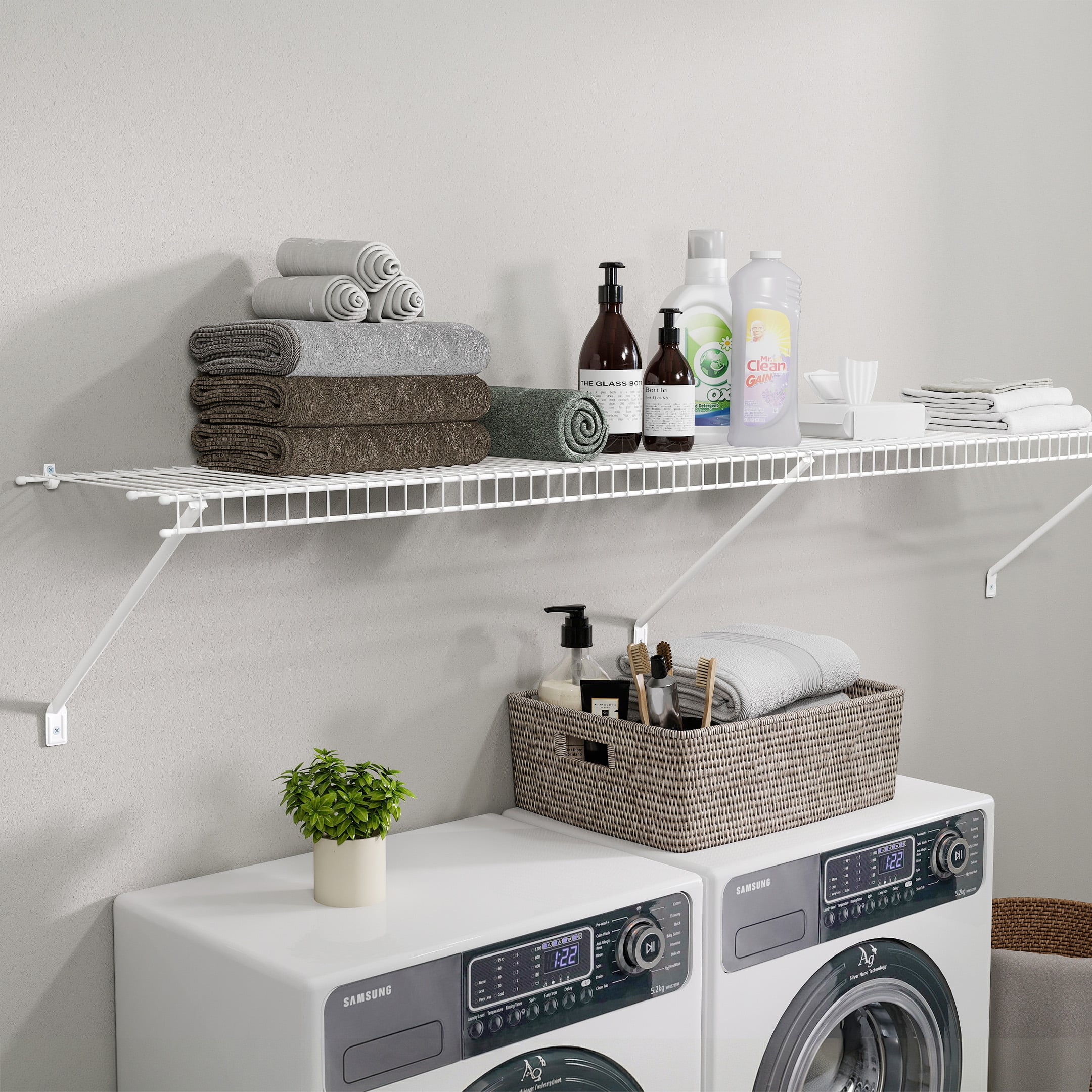
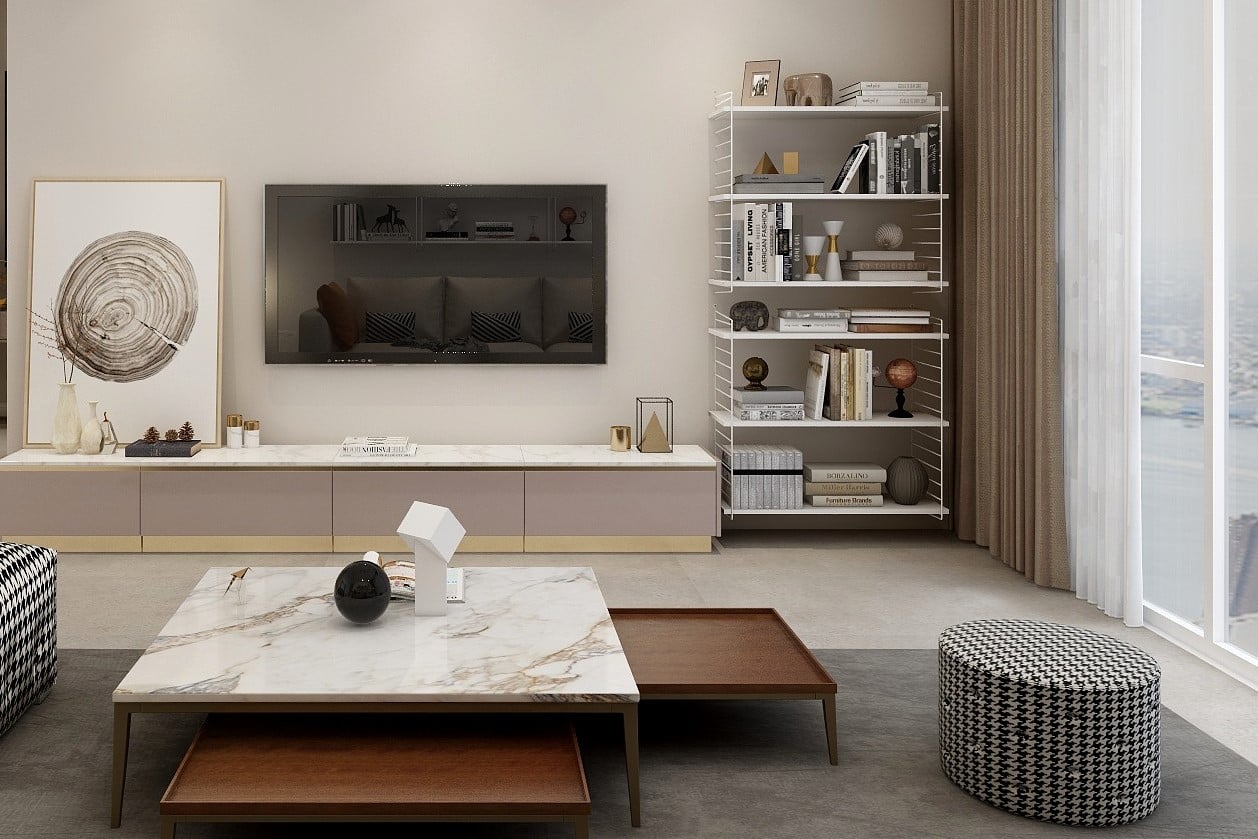
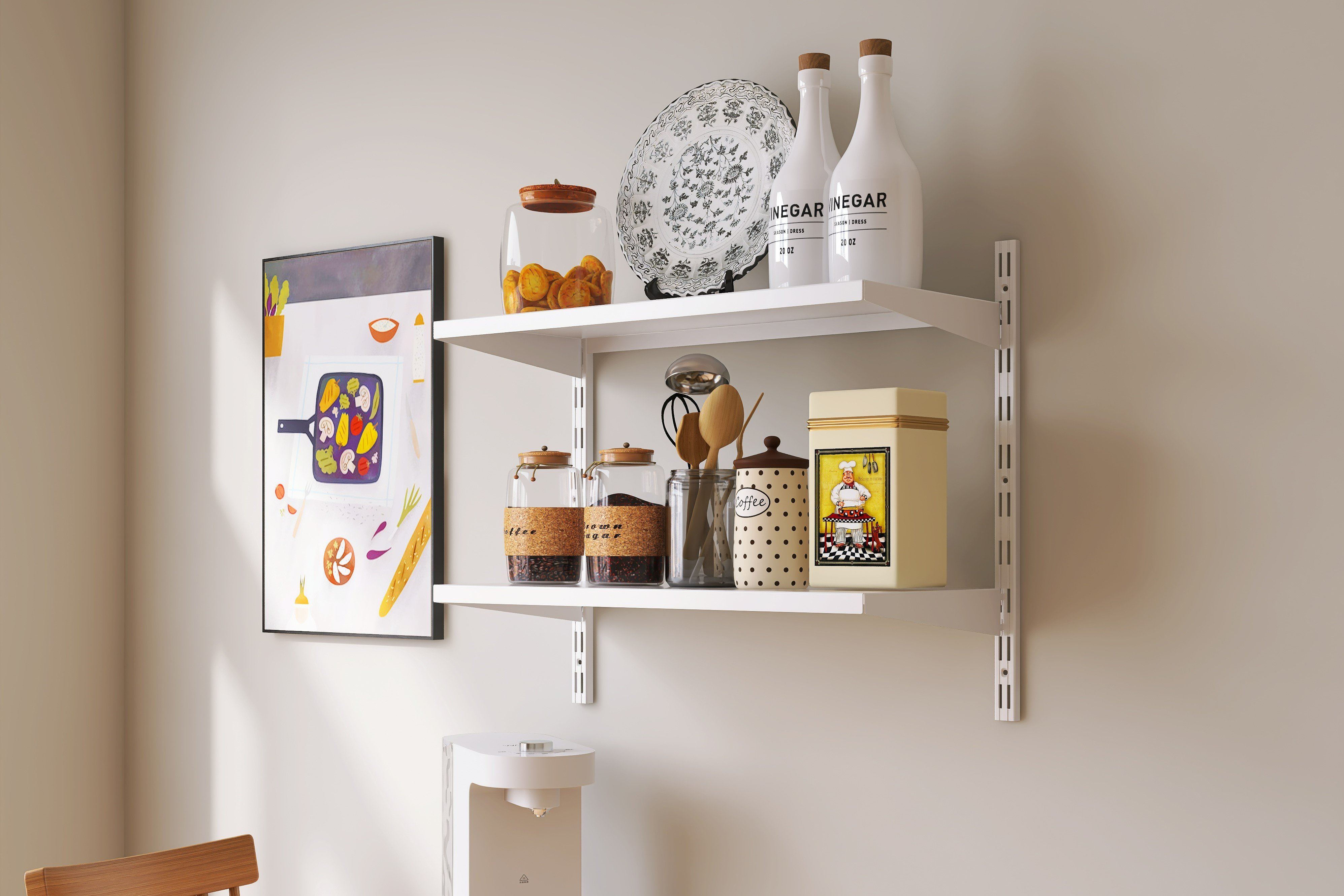
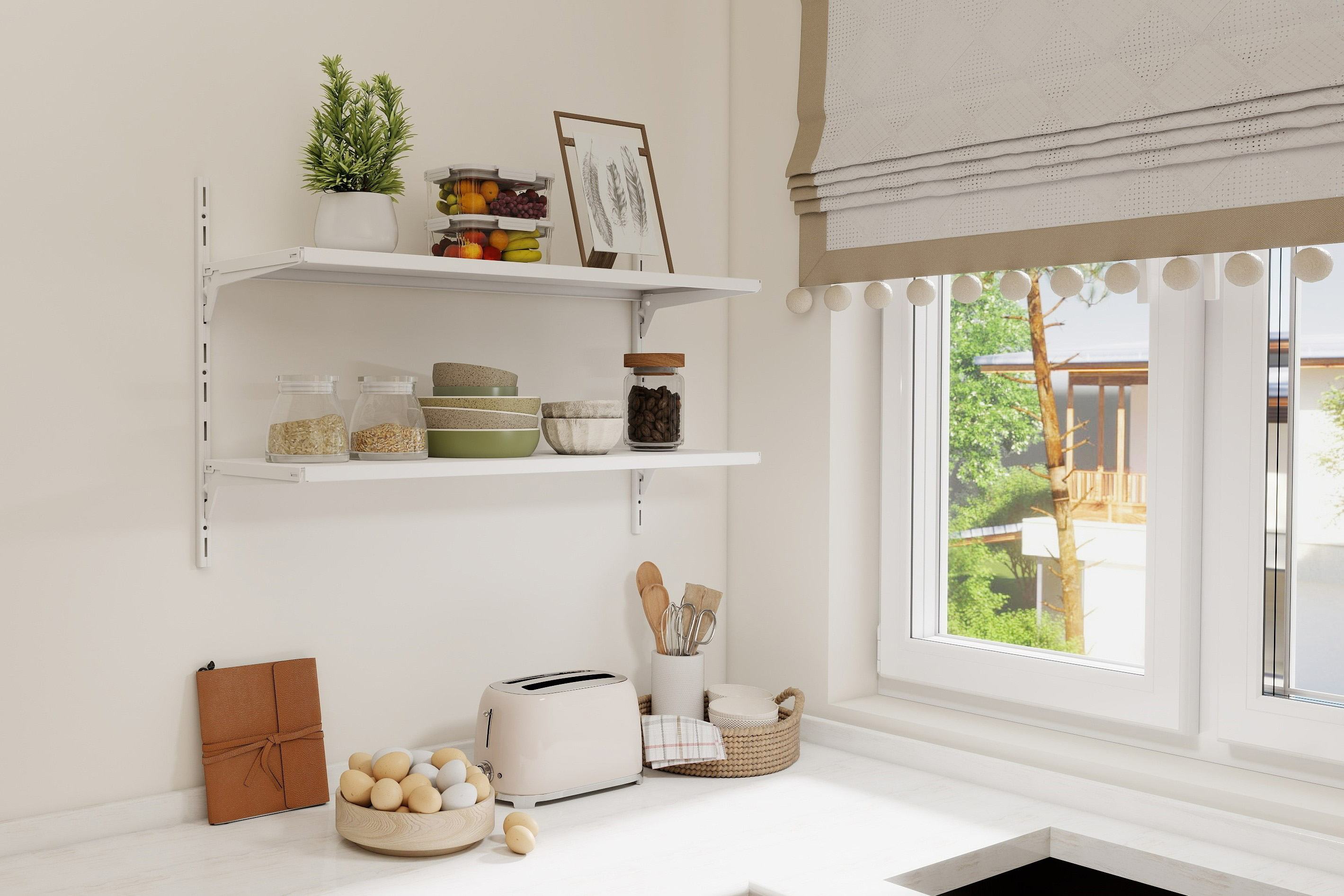
Wall rail shelving for retail represents a versatile and adaptable merchandising solution designed to maximize display flexibility while optimizing store layout efficiency. This innovative shelving system features horizontal rail tracks mounted directly onto store walls, allowing retailers to easily adjust shelf positions, hang accessories, and create dynamic product presentations. The core technological feature of wall rail shelving for retail lies in its modular construction, where metal rails serve as the foundation for various display components including shelves, brackets, hooks, and specialized fixtures. Retailers can configure these elements to accommodate diverse product categories from apparel and accessories to electronics and home goods. The system typically consists of powder-coated aluminum or steel rails with precision-engineered slots that accept compatible mounting hardware, ensuring secure attachment while maintaining aesthetic appeal. Wall rail shelving for retail offers exceptional space utilization by eliminating the need for floor-standing fixtures, making it particularly valuable for smaller retail environments or stores seeking to maximize selling space. The adjustable nature allows seasonal updates and merchandising changes without requiring additional hardware purchases or professional installation services. Applications span across specialty boutiques, department stores, convenience shops, pharmacies, sporting goods retailers, and fashion outlets. The system supports both light-duty and heavy-duty configurations depending on load requirements, with weight capacities ranging from standard retail products to heavier inventory items, making wall rail shelving for retail an indispensable tool for modern retail merchandising strategies.
 EN
EN