 EN
EN

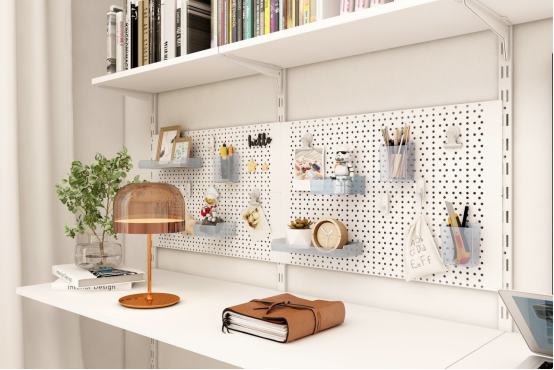
Wanneer u met beperkte vloerruimte werk, tel elke vierkante voet. Of u nou 'n klein flat, 'n klein huis kantoor, 'n nou garage of 'n nou kommersiële voorraadkamer organiseer, bly die uitdaging dieselfde: hoe pas u meer in minder? Die antwoord lê meer dikwels as nie in die keuse van die regte bergingshangeplank eenheid wat ontwerp is om vertikale en horisontale ruimte harder vir u te laat werk. Die regte rakstelsel doen nie net dien om items te hou nie — dit transformeer hoe 'n hele area funksioneer.
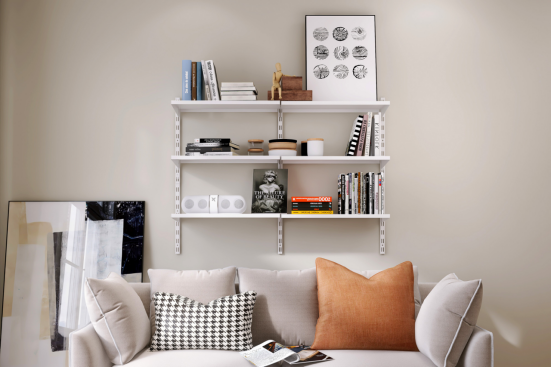
Die kort antwoord is ja — 'n goed gekose stoorplank-eenheid kan beslis spasie in klein areas maksimeer, maar die uitkoms hang sterk af van die tipe eenheid wat gekies word, hoe dit geconfigureer word en of dit aan die fisiese vereistes van die ruimte voldoen. Hierdie artikel ondersoek die omstandighede waarbinne stoorplank-eenhede hul volle spasiebesparingspotensiaal lewer, watter eienskappe om na te kyk en hoe om hulle slim te plaas in verskillende klein omgewings. Deur hierdie faktore te verstaan, sal jy van 'n rommelige en onderbenutte ruimte kan beweeg na 'n gestruktureerde, hoogs funksionele area.
Hoekom Klein Areas Doelgerigte Stoorplank-Eenhede Vereis
Die Versteekte Koste van Onbenutte Vertikale Spasie
Die meeste klein gebiede tree nie onder 'n tekort aan ruimte nie, maar eerder onder 'n gebrek aan effektiewe benutting van die bestaande ruimte. Walle styg bo oogvlak en bly heeltemal kaal terwyl vloeroppervlakte oorvol raak. 'n Goed ontwerpte bergkas-eenheid benut hierdie vertikale grondgebied deur bergkapasiteit opwaarts eerder as buitwaarts te stapel. Wanneer u rakke installeer wat tot by die plafon strek, vermenigvuldig u u bruikbare bergvolume sonder om 'n enkele addisionele vierkantevoet vloeroppervlakte in beslag te neem.
Hierdie beginsel is veral belangrik in stedelike appartemente, klein kleinhandel-voorraadkamers en klein pakhuise waar dit finansieel nie lewensvatbaar is om addisionele ruimte te huur of te koop nie. Die koste-effektiwiteit van vertikale bergrakke word dadelik duidelik wanneer u die koste per kubiekevoet bergkapasiteit bereken wat verkry word in vergelyking met alternatiewe soos die huur van 'n groter fasiliteit of die aankoop van addisionele meubels. Die wiskunde gun 'n goed gekose rakseenheid duidelik die voorkeur.
Staalberging rakke bied veral die strukturele integriteit wat nodig is om swaar lasse oor hoë konfigurasies te ondersteun sonder dat die eenheid onstabiel word. Dit maak dit 'n verkose keuse vir kompakte areas waar die rakke betroubaar moet werk oor lang periodes onder konstante gewig.
Vloerarea-doeltreffendheid en voetspoorvermindering
Kompakte areas vereis berging rakke wat 'n hoë berging-tot-voetspoorverhouding lewer. Dit beteken dat die eenheid 'n beduidende volume items moet kan hou terwyl dit 'n minimale vloeroppervlakte beslaan. Nou-diepte rak eenhede — dié met rakdieptes tussen 200 mm en 400 mm — word presies vir hierdie doel ontwerp. 'n Vinnig-diepte berging rak eenheid kan langs 'n gangmuur, langs 'n deuropening of in 'n inkoming geplaas word wat andersins onbenut sou bly.
Die breedte van die eenheid is ook belangrik. Modulêre bergkasreëls wat sy aan sy gekombineer kan word, laat jou toe om die dekking oor 'n muur te vergroot sonder dat groot individuele eenhede benodig word wat moeilik is om in nou ruimtes te manoeuvreer. As jy met 'n twee-stukstel begin, gee dit jou die veerkragtigheid om geleidelik uit te brei soos jou bergbehoeftes groei, sonder om vooraf aan 'n oormatige installasie vas te lê.
Wanneer jy bergkasreëls met verstelbare rakhoogtes kies, kan dieselfde eenheid items van verskillende groottes akkommodeer — van klein boksies tot hoër toerusting — sonder om vertikale spasie tussen die rakkies te mors. Vaste-hoogte rakke laat dikwels 'n dood-spasie bo korter items oor, wat 'n ondoeltreffendheid in 'n kompakte omgewing voorstel waar elke sentimeter waarde het.
Sleutelkenmerke wat die potensiaal vir maksimum ruimtebenutting bepaal
Materiaalkrag en lasvermoë
Nie alle bergkasreëls is gelykwaardig wat betref dra-vermoë nie. In kompakte areas word rakstelle dikwels gevra om beduidende gewig te dra omdat hulle die primêre of enigste bergoplossing vir 'n digpak area is. Staalbergkasreëls bied die nodige lasvermoë om swaar items te hanteer sonder dat dit deurbuig, buig of strukturele veiligheid met tyd in gevaar stel.
Staalraamkonstruksie maak ook dunner rakprofiel moontlik in vergelyking met hout, wat beteken dat die rakstel self minder vertikale ruimte per rakvlak inneem, sodat meer rakkasreëls binne dieselfde totale hoogte kan pas. Dit is 'n betekenisvolle voordeel in kompakte areas waar die plafonhoogte beperk is. Die sterkte-teen-dikte-verhouding van staal maak dit inherente doeltreffender in hierdie beperkte omgewings.
Staalbergingrakke met poeierdeklaag voeg 'n verdere praktiese voordeel by — hulle weerstaan vog, roes en daaglikse slytasie, wat dit geskik maak vir garasies, nutskamers en kommersiële ruimtes waar omgewingsomstandighede minder beheer word. Die duurzaamheid van staal beteken dat die belegging in bergrakke vir baie jare voortgaan om uit te betaal sonder dat die eenheid agteruitgaan of vervanging vereis.
Verstelbaarheid en modulêre konfigurasie
Een van die kragtigste ruimte-maksimeringsfunksies in enige bergrak-eenheid is die verstelbaarheid van die rakvlakke. Wanneer rakvlakke herposisioneer kan word om by die werklike hoogte van die gestoorde items te pas, word verspilde ruimte tussen die rakke verwyder. 'n Vaste-rak-eenheid, daarenteen, dwing jou om rondom sy vooraf bepaalde spasering te werk, wat selde presies ooreenstem met wat jy werklik moet stoor.
Modulêre bergingskaste verder hierdie aanpasbaarheid deur toe te laat dat eenhede aan mekaar gekoppel, gestapel of gerangskik word in konfigurasies wat by ongewone kamer-vorms pas. Kompakte areas het dikwels ongemaklike afmetings — 'n nou nis, 'n L-vormige hoek, of 'n ruimte onder 'n trap. Modulêre rakstelsels kan aangepas word om hierdie onreëlmatige grondplanne baie doeltreffender te hanteer as selfstandige, monolitiese eenhede.
Wanneer u bergingskaste vir 'n kompakte area kies, soek na stelsels wat verskeie breedte- en diepte-variasies binne dieselfde produkfamilie bied. Dit laat u toe om rakdieptes oor verskillende dele van dieselfde kamer te meng, met nouer rakkies in stywer gangpies en breër rakkies in effens wyer baaie, almal binne 'n visueel samehangende en struktureel versoenbare stelsel.
Praktiese toepassings oor verskillende kompakte omgewings
Klein residensiële ruimtes en huisorganisasie
In residensiële omgewings sluit klein areas onder andere nutsruimtes, ruimtes onder trappe, nou kassies, slaapkamerkasstele en klein tuiskantore in. In elk van hierdie omgewings dien bergplank-eenhede as die strukturele ruggraat van 'n georganiseerde stelsel. Sonder toereikende plankte, stap goedere op vloere en oppervlaktes op, wat die ruimte selfs kleiner en meer chaoties laat voel as wat dit werklik is.
Byvoorbeeld kan 'n muurvas of vrystaande bergplank-eenheid in 'n nutsruimte skoonmaakmiddels, huishoudelike gereedskap, seisoenale items en ekstra goedere op vertikale oppervlaktes saambring wat andersins leeg sou bly. Dit herwin die vloer vir beweging en funksionele gebruik. In 'n klein tuiskantoor kan bergplankte langs een muur die behoefte aan verskeie groot lêergeskate en bergdosse wat op die vloer gestapel is, vervang.
Wit, poudervervaagde staalbergingrakke werk veral goed in residensiële ruimtes omdat die skoon afwerking natuurlik in huishoudelike binne-ruimtes integreer sonder om industrieel of uit plek te lyk. Die estetiese veelsydigheid van wit rakke beteken dit kan aan keukens, woonareas en tuis-kantore aangepas word sonder dat 'n toegewyde nutsruimte nodig is.
Kommersiële en Lig-Industriële Kompakte Ruimtes
In kommersiële omgewings stel kompakte areas soms die mees uitdagende bergingprobleme. 'n Klein kleinhandelvoorraadkamer, 'n kompakte werkskamer of 'n nou agterkantoorbergingsarea moet dikwels 'n onverhoudingsmatig groot volume goedere relatief tot die beskikbare ruimte huisves. Bergingrakke wat hoogte, lasvermoë en modulariteit kombineer, is noodsaaklike gereedskap in hierdie kontekste.
In 'n kompakte kommersiële voorraadkamer maak die vermoë om bergkas op rye met 'n nou gang tussen hulle te installeer — soortgelyk aan die logika van 'n klein weergawe van 'n pakhuishuis — dit moontlik om 'n beduidende produkvolume in 'n verrassend klein vloeroppervlakte te stoor. Die sleutel is om bergkas-eenhede met konsekwente afmetings te kies sodat rye presies geplaas kan word met gangwydtes wat veilige toegang toelaat sonder dat ruimte verspil word.
Lig-industriële toepassings soos gereedskapberging, onderdeelorganisasie en die voorbereiding van klein toerusting baat ook van stewige bergkas in kompakte uitleggings. Staalbergkas met toepaslike lasgraderings verseker dat selfs digte, swaar items veilig gestoor kan word sonder die risiko van strukturele mislukking. Dit is 'n ononderhandelbare vereiste in professionele omgewings waar veiligheidsstandaarde en bedryfsdoeltreffendheid saam moet bestaan.
Installasie- en Plasingstrategieë vir Maksimum Impak
Muurlyn-uitlyning en Hoekoptimalisering
Die doeltreffendste posisie vir bergkasreëls in klein areas behels byna altyd die uitlyning van eenhede teen mure eerder as om hulle as vrystaande eilande in die middel van 'n vertrek te plaas. Bergkasreëls wat teen mure uitgelyn is, bewaar die sentrale vloerarea vir beweging, werkoppervlaktes of ander funksionele doeleindes, terwyl dit bergkapasiteit by die omtrek van die ruimte konsentreer.
Kronkels is dikwels die meeste onderbenutte areas in klein vertrekke. Wanneer twee bergkasreëls-eenhede teen regte hoeke geplaas word om in 'n kroonkels te ontmoet, skep dit 'n hoogs doeltreffende L-vormige bergmuur wat beide mure gelyktydig maksimeer. Hierdie benadering is veral effektief in klein kombuisse, nutskamers en klein kantore waar kroonkelruimte oorvloedig is maar dikwels leeg gelaat word.
Vir ruimtes waar muurmontasie nie moontlik of toegelaat is nie — soos gehuurde kommersiële ruimtes of tydelike installasies — bied vrystaande bergkas-eenhede met 'n stabiele basisoppervlakte en anti-kantelversterking 'n veilige en buigsame alternatief. Die sleutel is om te verseker dat vrystaande eenhede sodanig geposisioneer word dat dit nie hindernisse skep nie of nie onbereikbare dooie ruimtes agter die eenheid skep nie.
Bergingkategorieë volgens gebiede vir bedryfsdoeltreffendheid
Die maksimering van ruimte met bergkas-eenhede is nie slegs 'n fisiese uitdaging nie — dit is ook 'n organisatoriese een. Selfs die perfekste bergkas-eenheid sal sy potensiaal nie realiseer nie as items sonder logika of stelsel gestoor word. Deur spesifieke rakke of rakgebiede aan spesifieke kategorieë items toe te ken, verseker jy dat die bergkas-eenheid as 'n doeltreffende terugwinningstelsel funksioneer, en nie net as 'n houstruktuur nie.
In kompakte kommersiële omgewings moet die frekwensie van toegang die besluite oor die indeling van die ruimte bepaal. Items wat verskeie kere per dag uitgehaal word, moet die mees ergonomies toeganklike rakvlakke beset — gewoonlik tussen heup- en skouerhoogte. Items wat minder gereeld gebruik word, soos seisoenale voorraad of argiefmateriaal, kan op hoër of laer rakvlakke gestoor word sonder dat dit die bedryfsvloei negatief beïnvloed.
In residensiële kompakte ruimtes geld ‘n soortgelyke logika. Byvoorbeeld, werk kombuispantryrakke die beste wanneer alledaagse basiese voedselprodukte die middelste rakvlakke beset wat maklik bereikbaar is, terwyl groot aankope en selde-gebruikte items die boonste en onderste vlakke vul. Hierdie organisasiestrategie maak volledige ruimte-effektiwiteit van die stoorrak-eenheid moontlik deur te verseker dat elke rakvlak doelgerig en nie lukraak gebruik word nie.
VEE
Watter diepte van stoorrakke is die beste vir baie nou kompakte ruimtes?
Vir baie nou, kompakte ruimtes is bergkaste met 'n diepte van 200 mm tot 250 mm gewoonlik die mees praktiese keuse. Hierdie vlak dieptes laat toe dat die eenheid langs nou gangpadte, langs deure of in stywe inkomste pas sonder om beweging te belemmer. Al is die bergkapasiteit per rak laer as dié van dieper eenhede, maak die vermoë om die rakstelsel werklik in 'n beperkte ruimte te installeer en te gebruik meer as goed vir die verminderde diepte.
Kan bergkaste veilig in vogtige of humid kompakte areas soos garasies gebruik word?
Ja, mits u bergkaste van staal met 'n poeiergekoate of andersins beskermde afwerking kies. Poeierafwerking verseël die staaloppervlak teen vog en voorkom roes en korrosie selfs in humid omgewings soos garasies, nutskamers en kelders. Vermy onbehandelde of swak afgewerkte rakstelsels in vogtige kompakte areas, aangesien oppervlakvergrawing met tyd beide die voorkoms en strukturele integriteit van die eenheid sal skade berokken.
Met hoeveel bergkas-eenhede moet ek begin vir 'n klein ruimte?
'n Tweedeligte bergkasstel is 'n ideale beginpunt vir die meeste klein areas. Dit gee jou genoeg dekking om 'n betekenisvolle gedeelte van die ruimte te organiseer terwyl jy nog kan bepaal hoe die kasstelsel presteer voordat jy jouself verbind tot 'n groter installasie. Modulêre stelsels maak dit eenvoudig om later addisionele eenhede by te voeg soos jou bergbehoeftes ontwikkel, dus is dit 'n praktiese en koste-effektiewe benadering om versigtig te begin en dan geleidelik uit te brei.
Moet bergkaste altyd aan die muur vasgemaak word om in klein areas stabiel te wees?
Nie noodwendig nie. Baie selfstandige bergkas-eenhede word ontwerp met stabiele basisontwerpe en kan veilig staan sonder muurvas, veral wanneer hulle met gewig oor verskeie rakke belas is. Egter, in klein areas waar die risiko van onbedoelde kontak hoër is — of waar groot, swaarbelaaide eenhede gebruik word — word muurankerings sterk aanbeveel as ’n addisionele veiligheidsmaatreël. Volg altyd die vervaardiger se riglyne ten opsigte van lasbeperkings en installasievereistes vir die spesifieke eenheid wat u kies.
Tabel van inhoud
- Hoekom Klein Areas Doelgerigte Stoorplank-Eenhede Vereis
- Sleutelkenmerke wat die potensiaal vir maksimum ruimtebenutting bepaal
- Praktiese toepassings oor verskillende kompakte omgewings
- Installasie- en Plasingstrategieë vir Maksimum Impak
-
VEE
- Watter diepte van stoorrakke is die beste vir baie nou kompakte ruimtes?
- Kan bergkaste veilig in vogtige of humid kompakte areas soos garasies gebruik word?
- Met hoeveel bergkas-eenhede moet ek begin vir 'n klein ruimte?
- Moet bergkaste altyd aan die muur vasgemaak word om in klein areas stabiel te wees?