 EN
EN

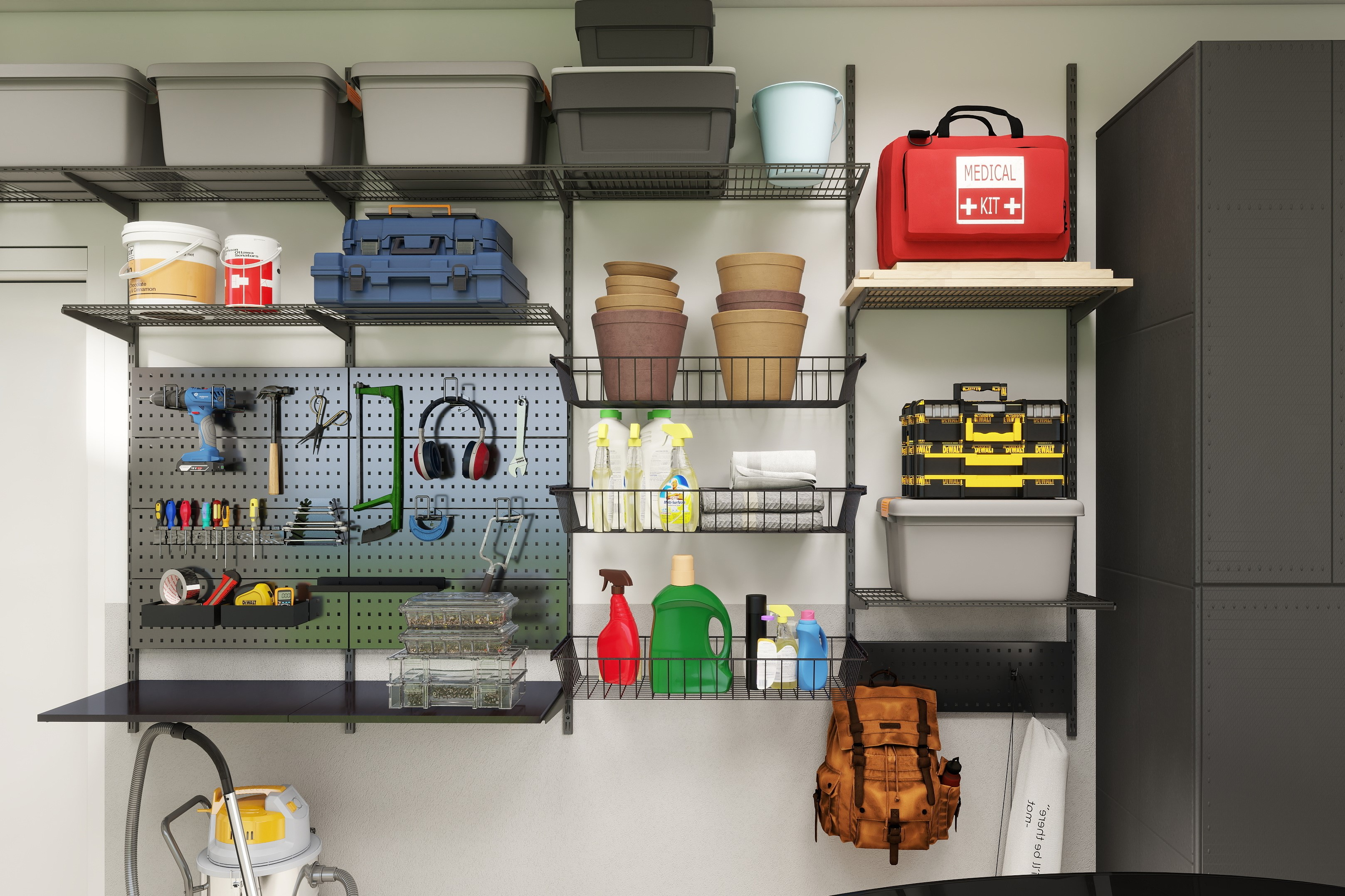
Selecting the right metal shelf bracket is crucial for creating durable, reliable storage solutions in both residential and commercial environments.
Whether you're installing heavy-duty industrial shelving or lightweight decorative displays, understanding the fundamentals of metal shelf bracket design, materials, and load capacities will ensure your shelving system performs optimally for years to come. Modern manufacturing techniques have revolutionized metal shelf bracket production, offering unprecedented strength-to-weight ratios and corrosion resistance that make these components essential for contemporary storage applications.
Understanding Metal Shelf Bracket Materials and Construction
Steel Bracket Fundamentals
Steel remains the most popular choice for metal shelf bracket manufacturing due to its exceptional strength and cost-effectiveness. Cold-rolled steel provides superior dimensional accuracy and surface finish compared to hot-rolled alternatives, making it ideal for precision applications. The gauge thickness of steel brackets typically ranges from 14 to 18 gauge, with heavier gauges offering increased load-bearing capacity. Modern steel metal shelf bracket designs incorporate strategic reinforcement ribs and gussets that distribute weight evenly across mounting surfaces.
Powder coating and galvanization processes protect steel brackets from corrosion while providing attractive finish options. For projects requiring a robust and versatile option, consider the BOMEDA Steel Bracket INA. It is crafted from high-quality steel and comes in multiple finish colors like white, black, brown, and silver, offering both protection and aesthetic flexibility. Electro-galvanized coatings offer basic protection for indoor applications, while hot-dip galvanizing provides superior corrosion resistance for outdoor installations. The surface preparation process significantly impacts coating adhesion and long-term performance, requiring proper cleaning and phosphate treatment before finishing application.
Alternative Metal Options
Aluminum brackets provide excellent corrosion resistance and lightweight properties, making them suitable for marine environments and weight-sensitive applications. Extruded aluminum profiles allow complex cross-sectional designs that maximize strength while minimizing material usage. Stainless steel brackets offer premium corrosion resistance and aesthetic appeal, particularly in food service and medical applications where hygiene considerations are paramount.
Cast iron brackets deliver exceptional load capacity and traditional aesthetic appeal, though their weight and brittleness limit modern applications. Wrought iron provides superior impact resistance compared to cast alternatives, making it suitable for decorative applications requiring both strength and visual appeal. Each metal shelf bracket material presents unique advantages that must be matched to specific application requirements and environmental conditions.
Load Capacity Considerations and Engineering Standards
Weight Distribution Analysis
Proper load capacity calculation requires understanding both vertical and horizontal forces acting on metal shelf bracket installations. Dead loads represent the constant weight of shelving materials and permanently stored items, while live loads account for temporary additions and dynamic forces. The distribution pattern of stored items significantly affects bracket stress concentrations, with point loads creating higher localized stresses than evenly distributed weights.
Safety factors typically range from 2:1 to 4:1 depending on application criticality and risk assessment. Professional installations often require engineering calculations that account for material fatigue, environmental factors, and long-term loading scenarios. The metal shelf bracket mounting system must be evaluated as part of the complete structural assembly, including wall attachment methods and shelf material properties.
Testing and Certification Requirements
Industry standards such as ANSI/BIFMA and ASTM provide testing protocols for evaluating metal shelf bracket performance under various loading conditions. Static load testing verifies ultimate strength capacity, while cyclic testing evaluates fatigue resistance over extended use periods. Impact testing ensures brackets can withstand sudden loading events without catastrophic failure.
Third-party certification provides independent verification of manufacturer claims regarding load capacity and safety performance. Documentation requirements include test reports, material certifications, and installation guidelines that ensure proper implementation. Quality assurance programs verify consistent manufacturing processes that maintain certified performance levels across production runs.
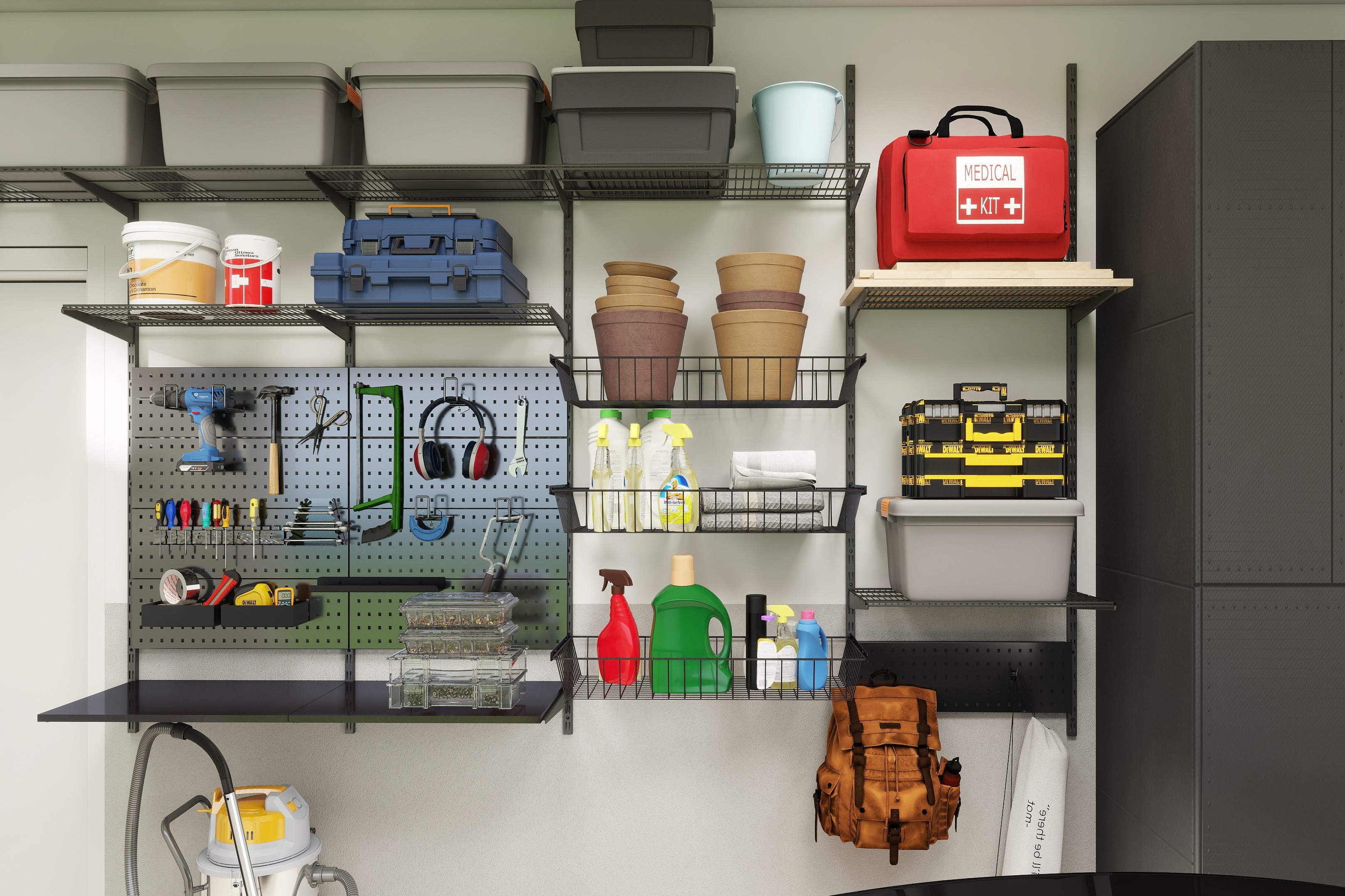
Installation Methods and Mounting Considerations
Wall Attachment Systems
The effectiveness of any metal shelf bracket system depends heavily on proper wall attachment methods and fastener selection. Hollow wall anchors require careful sizing to match wall thickness and provide adequate pullout resistance. Solid masonry installations benefit from expansion anchors or chemical anchoring systems that create mechanical bonds with substrate materials.
Stud mounting provides the most reliable attachment method for drywall applications, distributing loads into structural framing members. Toggle bolts and snap toggles offer alternatives for hollow wall installations where stud locations don't align with desired bracket positioning. The BOMEDA Steel Bracket INA is designed for easy installation and adjustment, accommodating various wall types and project needs. Its design ensures a secure fit, contributing to the overall stability of your storage system.
Alignment and Leveling Techniques
Proper bracket alignment ensures even load distribution and prevents shelf deflection that can lead to stored item displacement. Laser levels and traditional bubble levels both provide accurate reference lines for multi-bracket installations. Template systems streamline installation processes while maintaining consistent spacing and alignment across multiple shelf levels.
Adjustable mounting slots allow fine-tuning of bracket positions after initial installation, accommodating minor measurement errors and building irregularities. The metal shelf bracket design should incorporate adjustment capabilities without compromising structural integrity or aesthetic appeal. Professional installation tools and techniques significantly improve both installation quality and completion time.
Design Features and Aesthetic Considerations
Functional Design Elements
Modern metal shelf bracket designs integrate functional features that enhance usability and installation convenience. Integrated cable management channels accommodate power and data cables in commercial installations. Removable shelf pins allow easy shelf height adjustment without complete bracket reinstallation, providing flexibility for changing storage requirements.
Anti-tip features prevent shelf displacement during seismic events or accidental contact, enhancing safety in high-traffic environments. Integrated leveling mechanisms compensate for minor wall irregularities, ensuring proper shelf alignment without shimming requirements. The metal shelf bracket profile should complement shelf materials and architectural elements while maintaining structural performance.
Surface Finishes and Appearance Options
Powder coating technology offers unlimited color options and superior durability compared to traditional liquid paints. Textured finishes provide enhanced grip for gloved hands while hiding minor surface imperfections. Metallic finishes create premium appearances that complement contemporary design themes without significant cost increases.
Brushed and polished finishes require careful maintenance but provide elegant appearances suitable for high-visibility applications. The wide range of finishes available for products like the BOMEDA Steel Bracket INA allows for easy matching with existing décor in homes, offices, or retail spaces. The metal shelf bracket finish selection should consider maintenance requirements, environmental exposure, and aesthetic compatibility with surrounding elements. Consistent finish quality across production batches requires strict quality control and color matching protocols.
Application-Specific Requirements and Industry Standards
Commercial and Industrial Applications
Commercial environments require metal shelf bracket systems that meet specific safety and performance standards while accommodating high-frequency use patterns. Food service applications demand easy cleaning surfaces and corrosion-resistant materials that comply with health department regulations. Pharmaceutical and medical facilities require brackets that support sterilization processes without degradation or contamination risks.
Warehouse and industrial settings benefit from heavy-duty bracket designs that accommodate pallet racking systems and mechanical handling equipment. Seismic requirements in certain geographic regions mandate specific attachment methods and structural calculations. The metal shelf bracket selection process must account for these specialized requirements during initial design phases.
Residential and Retail Considerations
Residential applications prioritize aesthetic appeal and ease of installation while maintaining adequate safety margins for typical household loads. Retail environments require brackets that complement merchandise displays while providing secure support for valuable inventory. The visual impact of metal shelf bracket installations can significantly influence space perception and user satisfaction.
Child safety considerations may require specific design features such as rounded corners and smooth edges that minimize injury risks. Accessibility requirements influence bracket height and adjustment mechanisms to accommodate users with varying physical capabilities. The sturdy construction and reliable support (with load capacities of 20-30kg depending on size) of the BOMEDA Steel Bracket INA make it suitable for diverse settings, from DIY home projects to demanding commercial displays. The metal shelf bracket design must balance functionality, safety, and aesthetic requirements across diverse user populations.
Maintenance and Longevity Factors
Preventive Maintenance Protocols
Regular inspection schedules help identify potential issues before they compromise system safety or performance. Visual inspections should focus on corrosion signs, fastener loosening, and structural damage that might affect load capacity. The metal shelf bracket mounting points require particular attention as they experience the highest stress concentrations.
Cleaning protocols vary depending on finish type and environmental exposure, with powder-coated surfaces requiring gentler treatments than bare metal. Lubrication of adjustable components prevents seizing and ensures continued functionality throughout the service life. Documentation of maintenance activities provides valuable data for predicting replacement schedules and budgeting requirements.
Service Life Expectations
Quality metal shelf bracket systems typically provide 15-20 years of reliable service under normal operating conditions. Environmental factors such as humidity, temperature fluctuations, and chemical exposure significantly impact service life projections. Proper material selection and surface treatment can extend service life well beyond standard expectations.
Replacement indicators include visible corrosion, fastener failure, or deflection beyond acceptable limits. The total cost of ownership calculation should include maintenance requirements, energy efficiency impacts, and replacement costs. High-quality metal shelf bracket systems, like those built with durable high-quality steel, often provide superior long-term value despite higher initial investment costs.
Frequently Asked Questions
What factors determine the appropriate load capacity for a metal shelf bracket installation?
Load capacity depends on bracket material, wall construction, fastener type, and shelf dimensions. Steel brackets typically support heavier loads than aluminum alternatives, while solid wall mounting provides greater capacity than hollow wall installations. For example, the BOMEDA Steel Bracket INA offers a load capacity of 20kg for smaller sizes and 30kg for larger dimensions. Professional engineering calculations account for safety factors, dynamic loading, and long-term performance requirements.
How do environmental conditions affect metal shelf bracket performance and selection?
Moisture, temperature extremes, and chemical exposure significantly impact bracket material selection and finish requirements. Stainless steel or specially coated brackets perform better in corrosive environments, while standard steel brackets suffice for controlled indoor conditions. The protective finishes available on products like the BOMEDA Steel Bracket INA help withstand various conditions. Proper material matching to environmental conditions prevents premature failure and ensures long-term reliability.
What installation methods provide the most reliable mounting for heavy-duty applications?
Solid wall mounting with expansion anchors or through-bolts provides maximum holding strength for heavy-duty metal shelf bracket installations. Structural attachment to building framing members distributes loads effectively and ensures long-term stability. Professional installation following manufacturer guidelines and local building codes guarantees optimal performance and safety compliance.
How can I ensure proper alignment when installing multiple brackets for a shelving system?
Laser levels provide the most accurate reference lines for multi-bracket installations, ensuring consistent alignment across long spans. Installation templates help maintain proper spacing and reduce measurement errors during installation. The metal shelf bracket design should include adjustment features that allow fine-tuning after initial mounting to accommodate minor irregularities.