 EN
EN

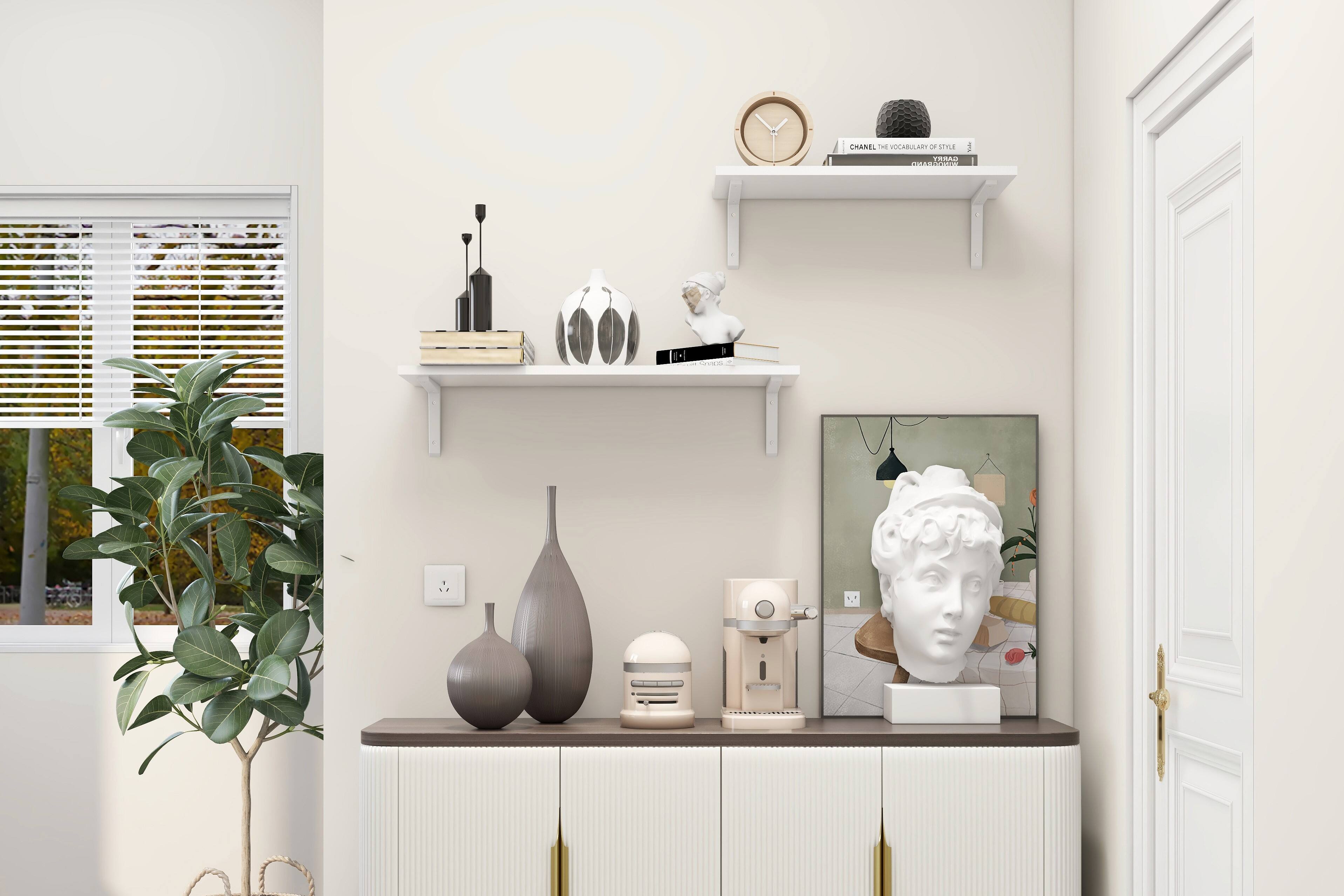
Metal wall shelving has become one of the most sought-after solutions for homeowners who want to build practical, attractive, and durable storage systems without professional help. The combination of industrial strength, clean aesthetics, and modular flexibility makes metal wall shelving a natural fit for the growing DIY culture in modern homes. Whether organizing a garage, home office, kitchen, or living room, more people are turning to metal wall shelving as their first choice when designing functional spaces.
The popularity of metal wall shelving in DIY home storage is not a trend driven by style alone. It reflects a practical shift in how homeowners think about space. As living areas grow smaller and storage demands grow larger, metal wall shelving provides a reliable, wall-mounted solution that maximizes vertical space while keeping floors clear. Understanding why metal wall shelving dominates the DIY storage category means looking closely at its structural advantages, its design versatility, and its long-term cost value.
Structural Strength That Supports Real Storage Needs
Load Capacity That Plastic and Wood Cannot Match
One of the primary reasons metal wall shelving is so popular among DIY builders is its exceptional load-bearing capacity. Unlike wood shelves that can warp under moisture or plastic units that flex under weight, metal wall shelving maintains its structural integrity even when holding heavy tools, books, appliances, or storage bins. This makes metal wall shelving the go-to option for spaces where real, heavy-duty storage is required rather than decorative display.
For a DIY builder, knowing that a shelf system will hold weight reliably over years of use is critical. Metal wall shelving provides that confidence. The steel or iron construction used in quality metal wall shelving systems resists bending, cracking, and surface degradation in ways that alternative materials simply cannot. This durability reduces the need for replacement and makes metal wall shelving a genuinely cost-effective investment across its full lifespan.
Stable Wall Mounting for Long-Term Safety
Metal wall shelving systems are engineered for direct, secure wall attachment. The mounting hardware included with quality metal wall shelving is designed to anchor firmly into wall studs or masonry, distributing weight evenly and preventing shelf movement. For DIY users who lack professional installation experience, this engineered approach to mounting makes metal wall shelving significantly safer and more reliable than improvised wood or bracket solutions.
Proper wall anchoring also protects household contents. Items stored on metal wall shelving stay securely positioned without the risk of shelf sag or sudden failure. This is especially important in high-use environments like workshops, laundry rooms, or kitchens, where stored items are accessed frequently and shelving must perform consistently under repeated loading and unloading.
Modular Design That Supports True DIY Customization
Adjustable Components That Fit Any Room
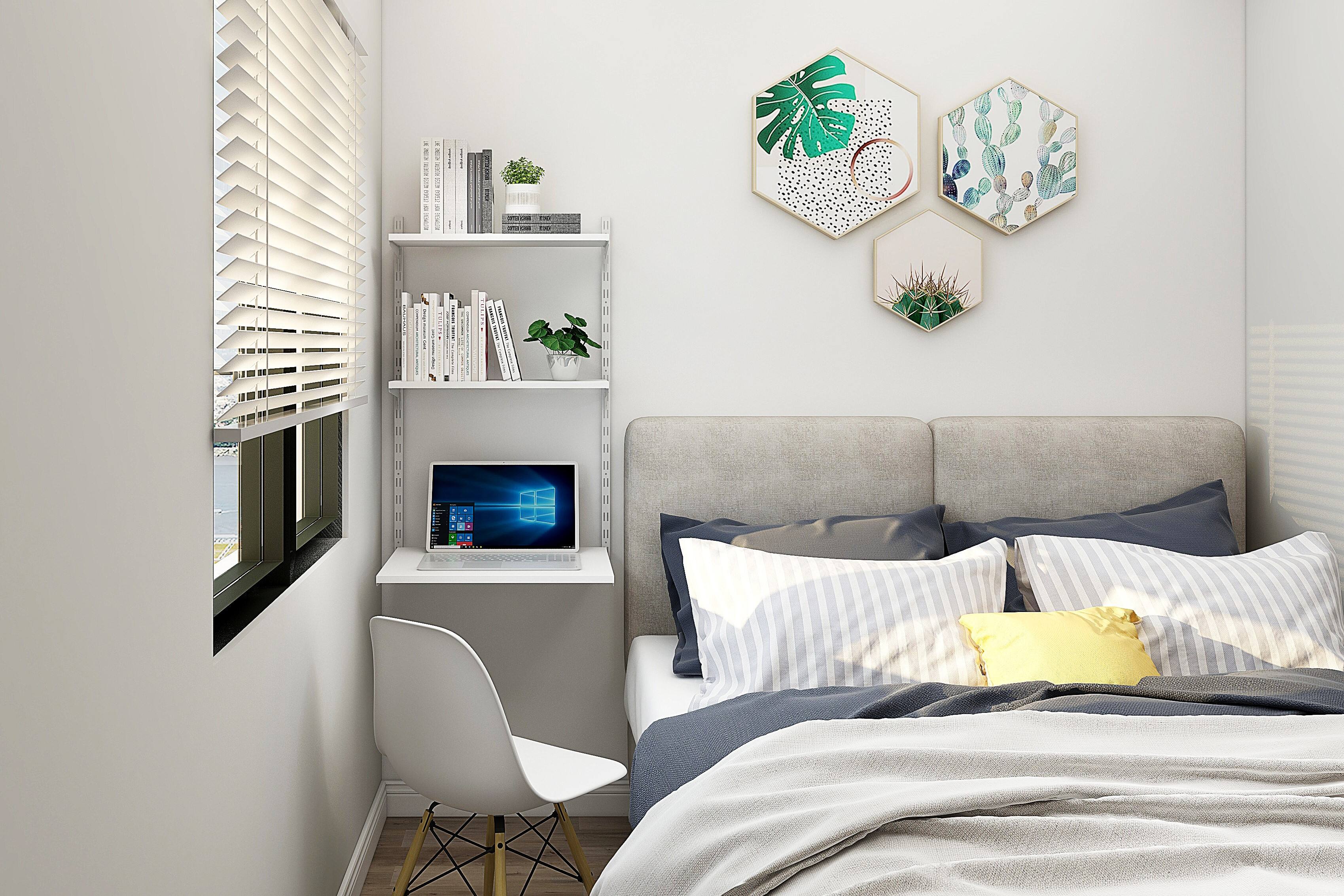
A key reason metal wall shelving has captured the DIY market is its modular, adjustable nature. Most metal wall shelving systems use a rail-and-bracket design that allows shelf heights, spacing, and configurations to be changed without tools or specialized knowledge. This flexibility means that the same metal wall shelving system can be installed in a compact utility room one month and reconfigured into a full workshop storage wall the next.
The ability to customize metal wall shelving without professional help gives DIY homeowners genuine control over their storage environment. Rather than buying fixed furniture that may not suit changing needs, users of metal wall shelving can expand their system incrementally, adding rails, brackets, or shelves as requirements evolve. This scalability makes metal wall shelving an especially smart investment for growing households or multi-use rooms.
Compatible Accessories for Diverse Storage Applications
Beyond simple shelves, metal wall shelving systems often support a range of compatible accessories such as hooks, baskets, tool holders, and drawer units. This accessory ecosystem transforms metal wall shelving from a simple shelf into a complete wall-based storage platform. DIY users can combine shelf panels with specialized organizers to create highly customized solutions that address specific storage challenges in each room.
This compatibility with accessories is one of the clearest competitive advantages metal wall shelving holds over traditional fixed shelving. A single metal wall shelving rail can anchor shelves for books, hooks for tools, and wire baskets for craft supplies all at once. This multi-function potential is precisely what DIY enthusiasts value most when designing efficient home storage systems from scratch.
Long-Term Value and Practical Cost Efficiency
Lower Total Cost Compared to Furniture-Based Storage
When homeowners compare the cost of metal wall shelving to freestanding furniture-based storage, the value calculation strongly favors metal wall shelving. Freestanding units occupy floor space, limit room reconfiguration options, and must be replaced entirely when storage needs change. Metal wall shelving, by contrast, stays mounted and can be expanded or reconfigured at a fraction of the cost of purchasing new furniture.
The long service life of metal wall shelving further strengthens its cost case. Because metal wall shelving resists corrosion, warping, and structural fatigue far better than wood or plastic alternatives, it does not need to be replaced on a regular cycle. For a DIY homeowner investing in a home storage system, choosing metal wall shelving means investing once in a solution that performs reliably for many years without maintenance-driven costs.
Easy Self-Installation That Reduces Labor Expenses
Metal wall shelving systems designed for the DIY market are packaged with clear installation guidance, pre-drilled components, and all necessary hardware. This makes self-installation straightforward even for homeowners with limited technical background. By eliminating the need for professional installers, metal wall shelving significantly reduces the total cost of building a home storage system.
The ease of self-installation also encourages homeowners to take on larger, more ambitious storage projects using metal wall shelving. When installation feels accessible and achievable, DIY builders are more willing to invest in comprehensive systems rather than minimal solutions. This confidence in the installation process is a major driver of metal wall shelving adoption across a wide range of home environments.
FAQ
Is metal wall shelving suitable for all room types in a home?
Yes, metal wall shelving is suitable for virtually every room in a home, including kitchens, bathrooms, garages, offices, and living areas. The key is choosing metal wall shelving with the appropriate finish and load rating for each environment. Powder-coated or rust-resistant metal wall shelving works well in humid areas like bathrooms and laundry rooms, while standard finishes perform excellently in dry interior spaces.
How much weight can metal wall shelving typically support?
The load capacity of metal wall shelving varies by system design, bracket spacing, and wall anchor quality. Most quality metal wall shelving systems are rated to support between 50 and 200 kilograms per shelf when properly anchored into wall studs. Always follow the manufacturer weight guidelines for your specific metal wall shelving system to ensure safe and effective use.
Can metal wall shelving be repositioned after installation?
Most modular metal wall shelving systems are designed for easy repositioning. Shelf brackets on rail-based metal wall shelving can typically be adjusted without removing the wall rails, making it simple to change shelf heights or reconfigure the layout as storage needs evolve. Full rail removal and reinstallation may be needed for major layout changes, but this remains straightforward for most DIY homeowners.