 EN

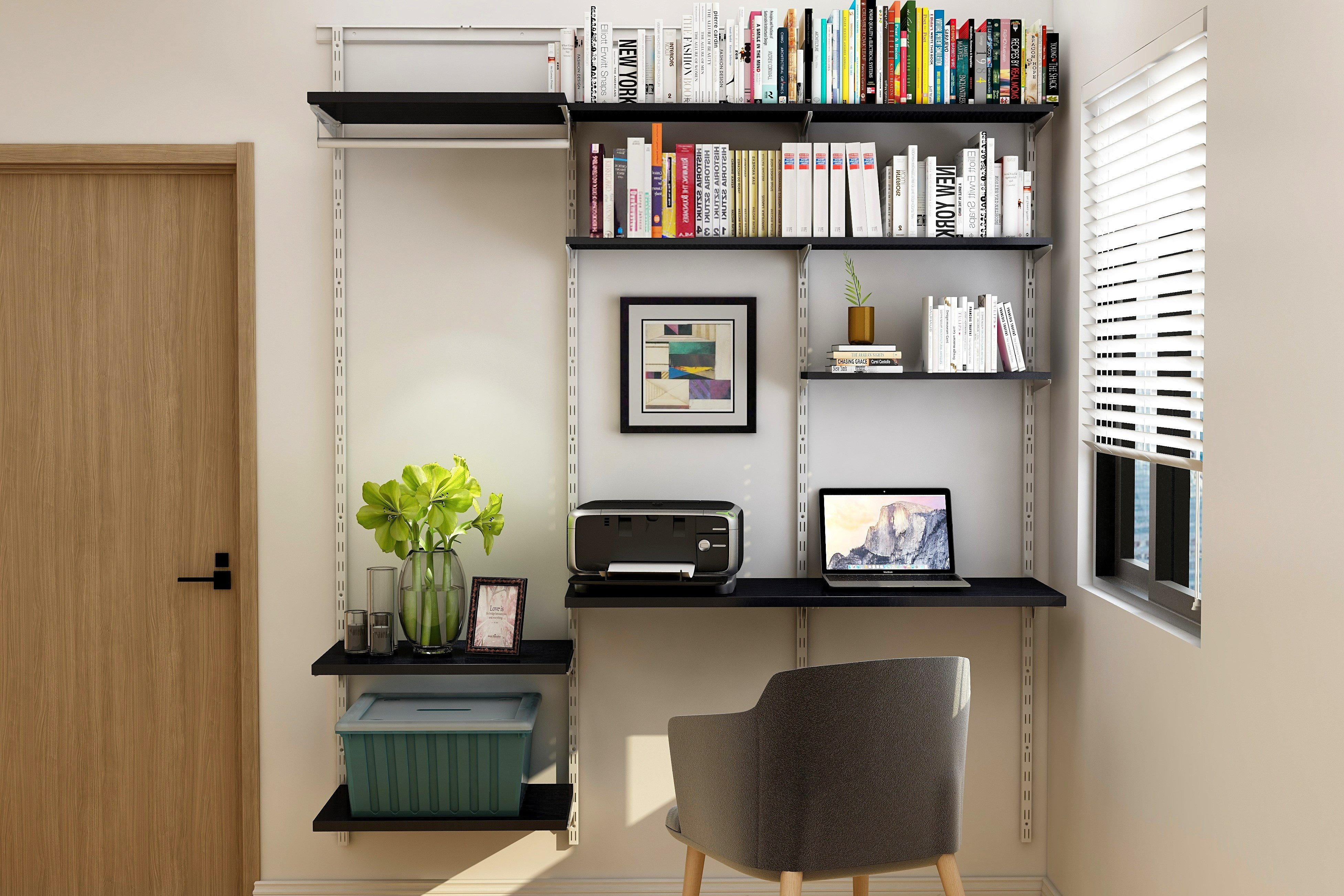
Installing a wall shelving unit requires precise planning and understanding of fundamental structural principles. The success of your installation depends critically on identifying wall studs and selecting appropriate fixings that can support your intended load. Many homeowners and facility managers overlook the importance of proper stud spacing alignment, leading to shelves that sag, shift, or fail under weight. This guide walks you through the essential knowledge needed to install a wall shelf unit that remains secure for years.

Understanding stud spacing and fixings forms the backbone of modular wall shelving design. Wall studs in typical residential and commercial buildings are spaced 16 inches or 24 inches apart, running vertically from floor to ceiling. Your modular wall shelving system must anchor into these studs for maximum strength and load-bearing capacity. The type and quality of fixings you choose—whether expanding anchors, heavy-duty brackets, or lag bolts—determine how much weight your wall mounted shelving can safely hold.
Understanding Stud Spacing Fundamentals
Standard Stud Spacing Dimensions
Most residential construction follows a 16-inch on-center stud spacing standard, meaning the distance from the center of one stud to the center of the next is 16 inches. Commercial buildings and some modern residential projects may use 24-inch spacing instead. When planning your wall shelf unit installation, you need to locate existing studs using a stud finder or by tapping along the wall and listening for solid resistance. Mark each stud location clearly with a pencil line to guide your fixing placement. This foundational step prevents installing shelves into drywall alone, which lacks the strength needed for heavy or medium-load applications.
Locating Studs Accurately
A magnetic or electronic stud finder is the most reliable tool for locating wall studs before hanging your modular wall shelving. Electronic devices detect the density change between stud and drywall, while magnetic finders locate fasteners driven into studs during initial framing. Mark the outer edges of each stud as you locate them, then mark the center point. For wall mounted shelving, align your bracket positions with these center marks whenever possible. Even if your shelf unit design requires fixings between studs, the primary support brackets must penetrate solid wood studs for adequate weight distribution and safety.
Selecting and Installing Appropriate Fixings
Fixings for Stud-Mounted Installation
When your adjustable wall shelves will mount directly into studs, lag bolts or wood screws rated for appropriate weight are the strongest choice. Lag bolts penetrate deep into solid wood and create mechanical locks that resist pullout forces. Install lag bolts or structural wood screws with washers to distribute load across a wider wall surface. These fixings accommodate heavy-load shelving systems and provide the security needed in high-traffic commercial environments or residential kitchens bearing dense books and equipment. Always pre-drill pilot holes to prevent wood splitting and ensure the fastener seats properly against the stud.
Fixings for Between-Stud Mounting
When spacing constraints require fixings between studs, use heavy-duty expansion anchors specifically engineered for drywall. Toggle bolts and expanding anchors create mechanical engagement with the drywall cavity, distributing force across a larger internal area. These products work well for lighter-duty wall shelf units, but their weight capacity remains lower than stud-mounted fixings. Always verify the rated load capacity of between-stud anchors and never exceed those limits. For modular wall shelving carrying moderate loads, quality expansion anchors rated for 50 to 75 pounds per anchor provide acceptable performance when properly installed at correct depth.
Design and Load Planning for Wall Mounted Shelving
Calculating Load Distribution
The total weight your wall mounted shelving can safely support depends on stud spacing, fixing type, and number of anchoring points. A single lag bolt into a stud typically supports 100 to 150 pounds, while quality expansion anchors between studs support 50 to 75 pounds each. Distribute the load across multiple fixings rather than concentrating weight at one or two points. For a modular wall shelving system spanning 48 inches with four attachment points across studs, the combined capacity far exceeds that of a two-point installation. Calculate your actual stored weight, including the shelf unit itself, and ensure total fixings capacity exceeds this by a safety factor of at least 25 to 50 percent.
Bracket Spacing and Alignment
Bracket spacing for adjustable wall shelves should not exceed the span limits recommended by your shelf unit manufacturer. Typically, brackets spaced 24 to 32 inches apart support most adjustable wall shelves adequately. Each bracket location should ideally align with a wall stud or incorporate heavy-duty between-stud anchors for the intermediate supports. When mounting modular wall shelving systems, follow the manufacturer's specific guidance on minimum and maximum bracket spacing. Uneven spacing or insufficient bracketing causes shelf deflection, which stresses fixings and accelerates failure. Verify level positioning before tightening all fasteners to ensure consistent support across the shelf unit's entire length.
FAQ
What is the most reliable way to locate wall studs before installing a wall shelf unit?
An electronic stud finder is the most reliable method for locating wall studs before mounting your wall shelving unit. These devices detect density changes between stud wood and drywall with high accuracy. Tap the wall while using the finder to confirm locations, and always mark both outer edges and the center point of each stud. For adjustable wall shelves, ensure your primary bracket fixings align with these center marks for maximum support and load capacity.
Can modular wall shelving mount securely between wall studs?
Yes, modular wall shelving can mount between studs using heavy-duty expansion anchors rated for appropriate weights. However, between-stud mounting provides less load capacity than stud-mounted fixings. These anchors work well for lighter-duty applications and decorative wall mounted shelving. Always verify the anchor's rated capacity and never exceed it. For higher loads, prioritize stud-aligned bracket placement or use a combination of stud-mounted primary supports with between-stud secondary anchors.
How do I determine the correct weight capacity for my wall shelving installation?
Calculate the total weight of your wall shelf unit plus all stored items, then multiply by 1.25 to apply a safety factor. Refer to the rated capacities of your specific fixings and brackets, multiply by the number of fixings, and compare to your calculated total weight. For adjustable wall shelves, this calculation should account for uneven weight distribution, which often occurs in residential settings. When total fixing capacity exceeds your calculated load by at least 25 to 50 percent, your installation is appropriately engineered for safe, long-term performance.