 EN
EN


Selecting the right wall rail shelving systems requires understanding far more than just dimensions and basic aesthetics. Organizations across manufacturing, retail, healthcare, and logistics industries depend on wall rail shelving systems to optimize space, improve workflow efficiency, and maintain organized storage environments. The difference between a mediocre installation and an exceptional one often comes down to the specific components that comprise the wall rail shelving systems you choose. Understanding these components helps procurement teams, facility managers, and operations leaders make informed decisions that align with both immediate needs and long-term performance expectations.
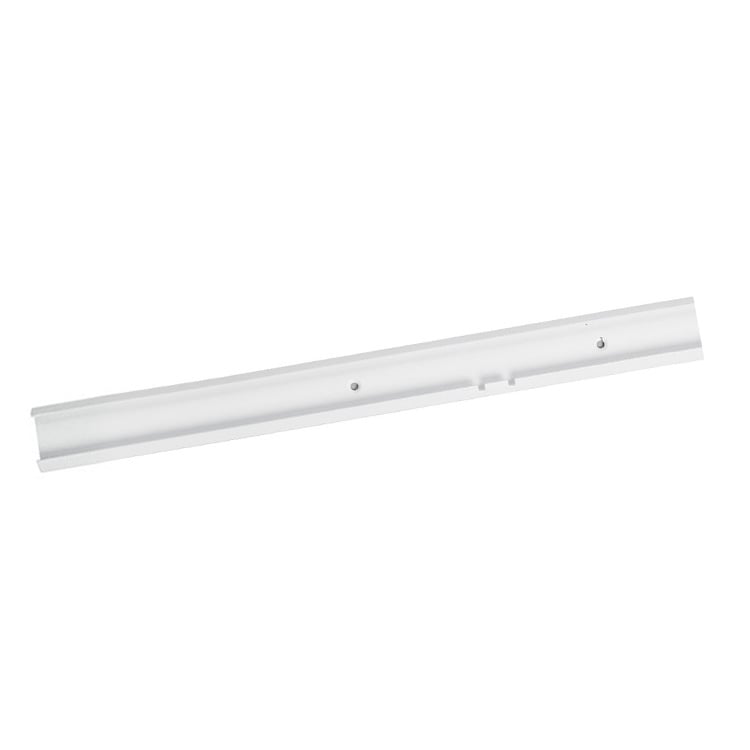
Before committing budget and floor space to any wall rail shelving systems installation, it is critical to evaluate the foundational components that directly impact durability, load capacity, safety, and adaptability. Each element within wall rail shelving systems serves a specific structural or functional purpose, and compromising on quality in any single component can compromise the entire system's performance. This guide explores the essential components you should consider when sourcing wall rail shelving systems for your facility.
Understanding Rail and Support Structure
Rail Materials and Load-Bearing Capacity
The rail framework forms the backbone of any wall rail shelving systems installation. Rails are typically manufactured from steel, aluminum, or composite materials, each offering distinct advantages depending on your environment and load requirements. Steel rails in wall rail shelving systems provide maximum load capacity and durability in heavy-duty industrial settings, while aluminum options reduce weight and resist corrosion in humid or chemical-prone environments. When evaluating wall rail shelving systems, verify the specifications for load rating per linear foot, ensuring the rail material can sustain your typical and peak storage demands without deflection or structural fatigue.
Wall Anchoring and Installation Points
The attachment method between your wall surface and wall rail shelving systems directly affects stability and safety. Quality wall rail shelving systems include engineered anchoring solutions that account for wall composition—whether concrete, brick, metal studs, or wood framing. Proper spacing of mounting points distributes weight evenly across wall rail shelving systems, preventing stress concentration and potential failure. Anchors should use expansion bolts, chemical adhesives, or welded connections appropriate to your wall material. When sourcing wall rail shelving systems, confirm that installation documentation specifies the exact fastening requirements and spacing intervals to ensure both safety compliance and long-term structural integrity.
Shelf Deck and Bracket Components
Shelf Deck Materials and Finishes
The horizontal shelf decking within wall rail shelving systems determines weight distribution and load uniformity across the support rails. Shelf decks are commonly manufactured from steel, plywood, wire mesh, or composite materials, each suited to different applications. Steel decks in wall rail shelving systems offer maximum load capacity and easy cleaning, making them ideal for industrial and food-service environments. Wire mesh or ventilated options allow air circulation, beneficial in wall rail shelving systems designed for temperature-controlled storage or inventory visibility. When considering wall rail shelving systems, evaluate whether the shelf deck material matches your typical product type—heavier items require solid steel decks, while lighter inventory may benefit from cost-effective alternatives. Surface finishes—powder coat, galvanized, or painted—protect wall rail shelving systems from corrosion and wear, particularly important in humid or outdoor-adjacent installations.
Bracket Design and Adjustability
Brackets connect shelf decks to supporting rails in wall rail shelving systems, and their design significantly influences both safety and flexibility. High-quality wall rail shelving systems feature brackets with multiple engagement points along the rail, allowing shelves to be repositioned as storage needs change. Look for wall rail shelving systems with brackets that lock securely into place—lip brackets, notch brackets, or cam-lock mechanisms each offer different security profiles. Bracket material must match or exceed the load-bearing requirements of your wall rail shelving systems, and the connection interface between bracket and shelf deck should be rigid and corrosion-resistant. Adjustability in wall rail shelving systems becomes critical when inventory types or sizes fluctuate over time.
Safety Features and Compliance Considerations
Load Rating Documentation and Certification
Every quality set of wall rail shelving systems should include detailed load rating documentation that specifies weight capacity per shelf, per section, and across the entire installation. This documentation ensures that your wall rail shelving systems meet regulatory compliance standards such as OSHA, ANSI, or international equivalents. Load ratings in wall rail shelving systems account for distributed loads, concentrated point loads, and dynamic movement during inventory retrieval. When sourcing wall rail shelving systems, request third-party certification or engineering validation confirming that stated capacity ratings have been tested under realistic conditions. Mislabeled or unverified wall rail shelving systems can create workplace safety hazards and liability exposure.
Anti-Tip and Stabilization Mechanisms
Lateral stability is a critical component of safe wall rail shelving systems installation, particularly in high-traffic areas or earthquake-prone regions. Modern wall rail shelving systems incorporate anti-tip features such as reinforced corner bracing, horizontal cross-bracing between sections, or seismic-rated anchoring systems. These mechanisms prevent racking (lateral twisting) and ensure that wall rail shelving systems remain plumb and secure even when items are retrieved unevenly or when environmental forces apply stress. When evaluating wall rail shelving systems for your facility, consider whether installation will occur in a controlled warehouse environment or in a space subject to vibration, seismic activity, or frequent movement. The right wall rail shelving systems configuration includes stabilization components matched to your specific risk profile.
Customization and Scalability Features
Modular Design and Expansion Capability
Future-ready wall rail shelving systems incorporate modular design principles that allow sections to be added, reconfigured, or relocated as business needs evolve. Quality wall rail shelving systems use standardized rail profiles and bracket systems that remain compatible across different sections and expansion phases. This modularity in wall rail shelving systems reduces long-term total cost of ownership by avoiding complete replacement when capacity needs change. When sourcing wall rail shelving systems, verify that component availability extends years into the future—manufacturers that discontinue wall rail shelving systems lines force costly replacement cycles when you need to expand or repair.
Accessory Integration Options
The best wall rail shelving systems accommodate add-on accessories that enhance functionality without requiring structural modifications. Integrated label holders, dividers, bins, lighting fixtures, and signage mounts transform basic wall rail shelving systems into application-specific storage solutions. When evaluating wall rail shelving systems, confirm that rail profiles include compatible mounting points for accessories your operation may need. This flexibility in wall rail shelving systems means initial investment protects against future functionality gaps without triggering replacement costs.
FAQ
What load capacity should wall rail shelving systems support for typical warehouse storage?
Most industrial-grade wall rail shelving systems support between 150 and 500 pounds per shelf, depending on shelf depth and rail material. Light-duty wall rail shelving systems may support 75–150 pounds, while heavy-duty installations handle 500–1000 pounds or more. Your specific requirements depend on inventory type, item density, and retrieval frequency. Consult load rating documentation provided with your wall rail shelving systems to ensure compliance with your storage needs.
How often should wall rail shelving systems be inspected for safety?
High-use wall rail shelving systems installations should be visually inspected quarterly or semi-annually, depending on facility traffic and environmental conditions. Look for rust, loose brackets, bent rails, or wall damage in wall rail shelving systems sections. Maintenance intervals for wall rail shelving systems may be longer in climate-controlled, light-use environments but should accelerate in humid, corrosive, or high-traffic areas.
Can wall rail shelving systems be relocated or reconfigured after installation?
Yes, modular wall rail shelving systems can often be reconfigured by adjusting shelf heights or moving shelves between sections. However, relocating entire wall rail shelving systems installations to different wall areas typically requires new wall anchoring and may not be practical if the original wall surface has degraded. Before sourcing wall rail shelving systems, assess whether future flexibility is critical to your facility planning.