 EN
EN

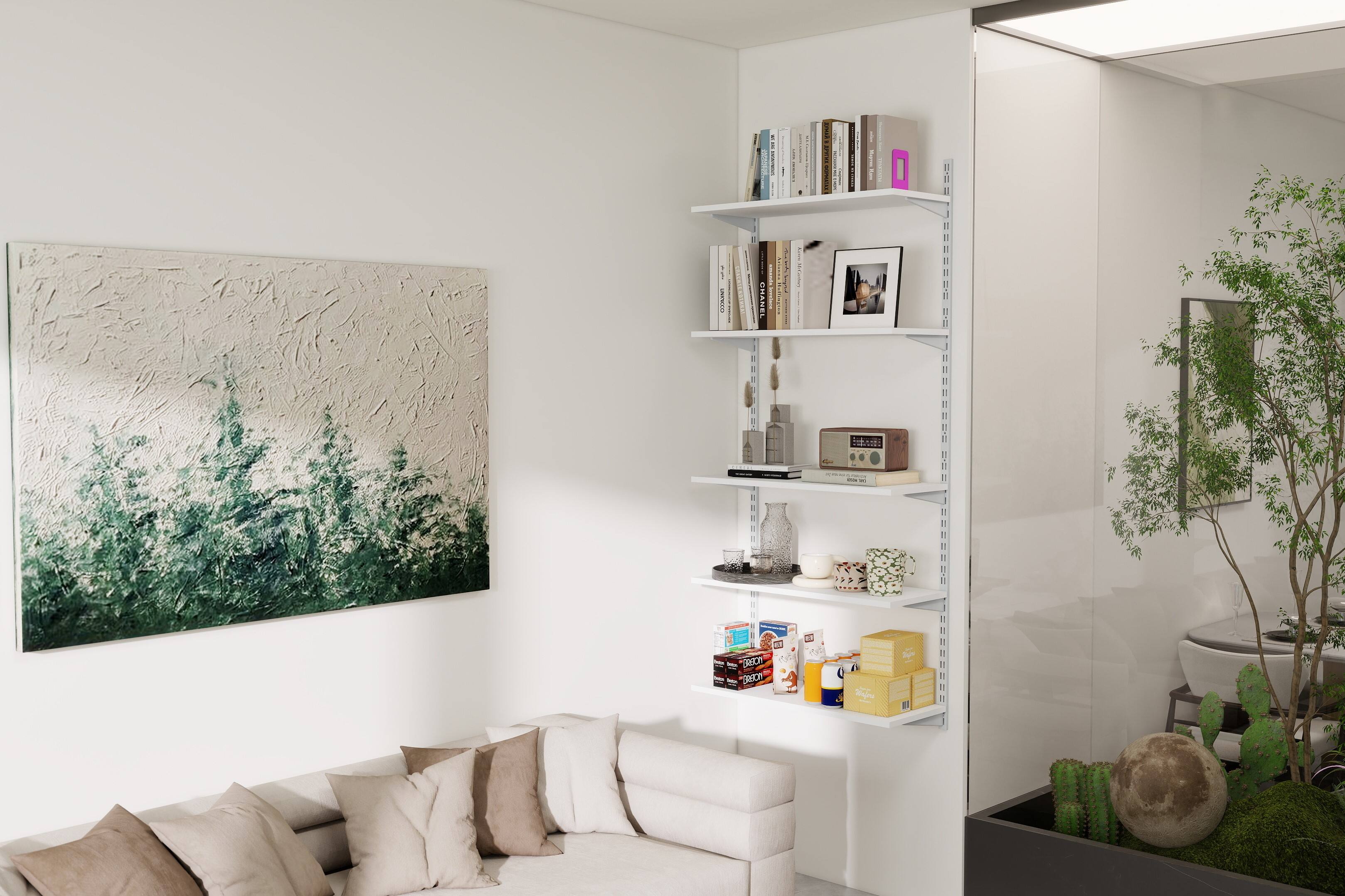
Installing shelves on your walls can dramatically transform any space while maximizing storage potential.
Whether you're organizing a home office, kitchen, or retail environment, choosing the right mounting approach ensures both functionality and aesthetic appeal. Professional installation requires careful planning, proper tools, and understanding of wall construction to achieve lasting results that support your intended load requirements.
Understanding Wall Construction and Load Requirements
Identifying Wall Types and Structural Elements
Before beginning any wall mounting project, understanding your wall construction is essential for selecting appropriate fasteners and ensuring secure installation. Drywall over wood studs represents the most common residential construction, typically featuring 16-inch or 24-inch stud spacing. Concrete walls require specialized anchors and drilling techniques, while hollow walls demand toggle bolts or expansion anchors for adequate support.
Load-bearing capacity varies significantly based on wall type and mounting hardware selection. Standard drywall alone supports minimal weight, making stud attachment crucial for heavy shelving applications. A quality wall rail system, such as the BOMEDA Wall Rail System-50, is engineered to distribute weight efficiently across multiple mounting points, reducing stress concentration and improving overall stability. Professional contractors often recommend locating at least two studs for standard shelf installations to ensure adequate support.
Calculating Weight Distribution and Safety Margins
Proper load calculation prevents catastrophic failure and ensures long-term reliability of your shelving system. Consider not only the shelf weight itself but also the maximum intended load including books, equipment, or merchandise. Safety factors typically require calculating 150% of expected load to accommodate dynamic loading and prevent overloading situations.
Weight distribution across multiple mounting points reduces individual fastener stress and improves system reliability. Modern wall rail system designs like the BOMEDA System-50 incorporate advanced load-spreading mechanisms that transfer forces across extended mounting areas rather than concentrating stress at individual points. This system features a robust capacity of 55kg per 20 cm bracket spacing, significantly enhancing weight capacity while maintaining a clean, professional appearance.
Essential Tools and Materials for Professional Installation
Selecting the Right Mounting Hardware
Professional-grade mounting hardware forms the foundation of any reliable shelving installation. Stud finders with edge-finding capability ensure accurate stud location, while high-quality drill bits prevent wall damage during installation. Masonry bits become essential for concrete applications, and appropriate wall anchors must match both wall type and expected load requirements.
Modern wall rail system installations benefit from specialized mounting brackets designed for specific applications. The BOMEDA Wall Rail System-50 includes a single slotted upright design that allows for easy, tool-free height adjustment of shelves, accommodating slight irregularities in wall surfaces while maintaining level installation. This system is made from durable materials with corrosion-resistant finishes in white, black, or white aluminum, maintaining appearance and structural integrity over extended periods.
Measuring and Layout Tools for Precision Installation
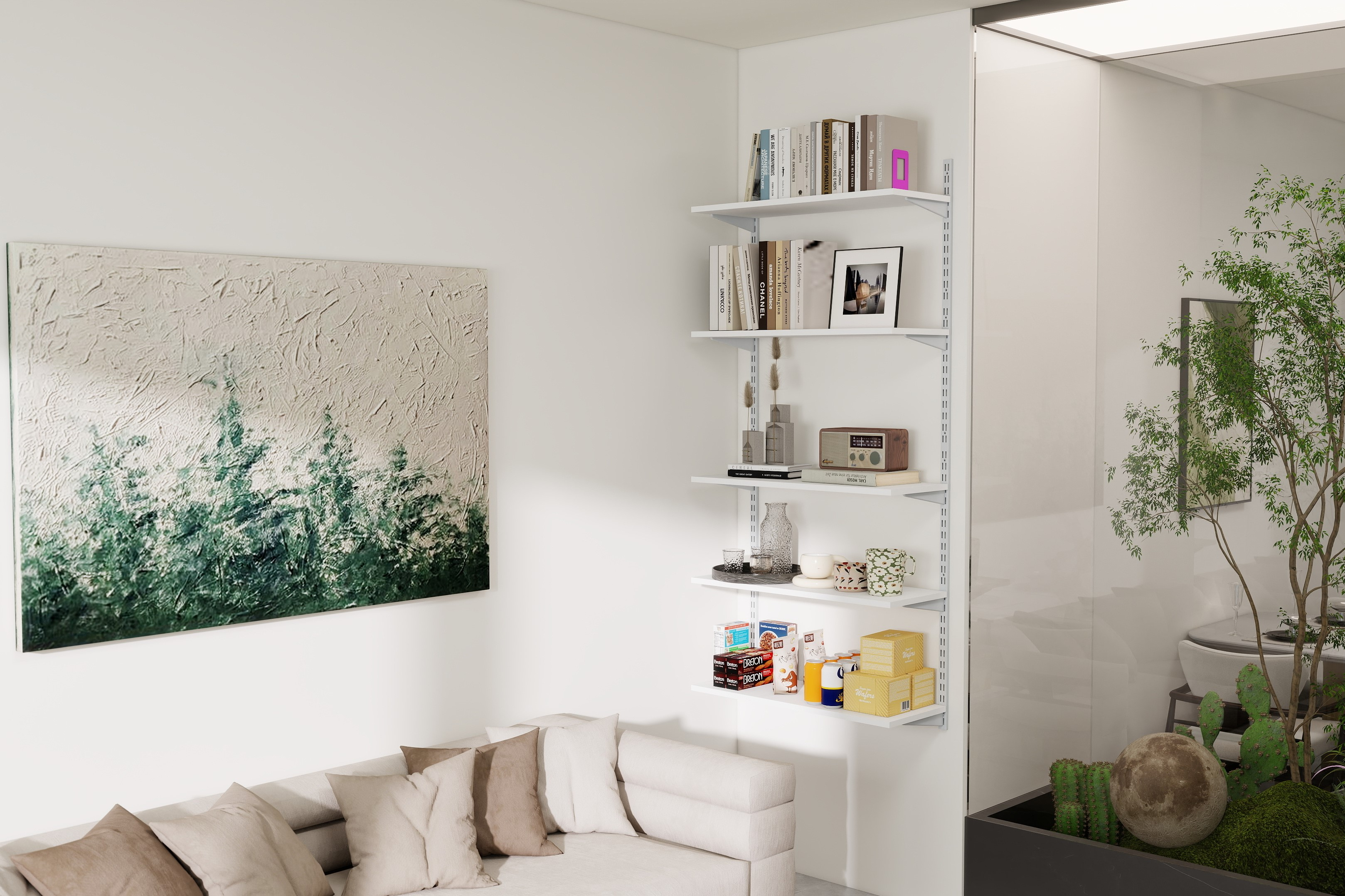
Accurate measurement and layout prevent costly mistakes and ensure professional results. Laser levels provide superior accuracy compared to traditional bubble levels, especially for extended installations spanning multiple wall sections. Digital calipers and precision rulers enable exact spacing measurements critical for modular shelving systems.
Template systems streamline installation by providing consistent hole patterns and eliminating measurement errors. Many professional installers create custom templates for repeated installations, ensuring consistency across multiple locations. The BOMEDA System-50 is available in precise lengths from 145mm to 2500mm, allowing for perfect customization to your space dimensions. Proper planning with these standardized components reduces installation time while improving final appearance and functionality.
Step-by-Step Installation Process
Wall Preparation and Surface Assessment
Thorough wall preparation ensures optimal adhesion and prevents future installation problems. Surface cleaning removes dust, grease, and debris that could interfere with mounting hardware performance. Paint condition assessment determines whether surface preparation or primer application is necessary before installation begins.
Electrical and plumbing system locations require careful verification before drilling begins. Stud finders with wire detection capability help identify potential hazards, while building plans provide additional safety information. Professional installers always verify utility locations through multiple methods to prevent accidental damage during installation.
Precise Marking and Drilling Techniques
Accurate marking translates measurement plans into physical installation points while maintaining system alignment. Center punch marks prevent drill bit wandering and ensure precise hole placement. Multiple verification steps, including measurement confirmation and level checking, prevent errors that could compromise installation quality.
Drilling techniques vary based on wall material and fastener requirements. Pilot holes prevent splitting in wood applications, while progressive drill bit sizing ensures clean holes in masonry applications. A professional wall rail system installation like the BOMEDA System-50 requires consistent hole depth and diameter to ensure proper fastener engagement and load transfer for its rated 55kg capacity.
Advanced Mounting Techniques for Different Applications
Commercial and Heavy-Duty Installation Methods
Commercial applications demand enhanced mounting techniques that exceed residential requirements. Heavy-duty wall rail system installations often require structural reinforcement or specialized fasteners designed for increased load capacity. Chemical anchors provide superior holding power in concrete applications where mechanical fasteners prove insufficient.
The BOMEDA Wall Rail System-50 is particularly suited for commercial environments like retail stores and warehouses, where its 55kg/20cm load capacity meets demanding storage needs. Its versatile single slot design allows for quick reconfiguration of displays and shelving without tools, adapting to changing merchandise or storage requirements.
Seismic considerations become important in earthquake-prone regions, requiring flexible mounting systems that accommodate building movement without failure. Professional installations incorporate redundant fastening methods and load paths that maintain functionality even if individual components fail. These advanced techniques ensure reliability in demanding commercial environments.
Adjustable and Modular System Integration
Modular shelving systems offer flexibility that adapts to changing storage requirements over time. Track-based wall rail system designs enable easy reconfiguration without additional wall penetration. These systems typically feature standardized mounting intervals that accommodate various shelf lengths and bracket configurations.
The BOMEDA System-50 excels in modular integration with its single slotted design that allows shelves to be adjusted and repositioned quickly without disassembling the entire system. This makes it ideal for environments where display needs change frequently, such as retail spaces, showrooms, or evolving home storage requirements.
Integration with existing architectural elements requires careful planning to maintain both functionality and aesthetic appeal. Professional installers coordinate with other trades to ensure proper sequencing and avoid conflicts with electrical, HVAC, or plumbing systems. Successful integration creates seamless storage solutions that enhance rather than detract from overall space design.
Quality Assurance and Long-Term Maintenance
Installation Testing and Load Verification
Comprehensive testing verifies installation quality and confirms load-bearing capacity before system use begins. Gradual load testing allows identification of potential problems while preventing catastrophic failure. Professional installations include documentation of test procedures and results for future reference and warranty purposes.
Deflection measurements under load ensure that shelf systems remain within acceptable limits for intended applications. Excessive deflection indicates inadequate support or improper installation that requires correction before system acceptance. Quality wall rail system installations like the BOMEDA System-50 maintain minimal deflection even under maximum rated loads of 55kg per bracket point.
Preventive Maintenance and System Longevity
Regular inspection schedules identify potential problems before they result in system failure or safety hazards. Fastener tightness, bracket alignment, and load distribution require periodic verification to maintain optimal performance. Professional maintenance programs extend system life while ensuring continued reliability and safety.
Environmental factors such as humidity, temperature cycling, and vibration can affect long-term performance of wall-mounted systems. The BOMEDA System-50 is constructed from durable materials with protective finishes that help minimize environmental effects while maintaining appearance and structural integrity. Understanding these factors enables proactive maintenance strategies that prevent premature system deterioration.
Troubleshooting Common Installation Challenges
Addressing Wall Irregularities and Surface Issues
Uneven walls present significant challenges for wall rail system installation but several techniques can compensate for surface irregularities. Shim installation behind mounting brackets provides level surfaces for proper shelf alignment. Adjustable mounting systems accommodate moderate wall variations without compromising installation quality or appearance.
Plaster walls require special consideration due to their tendency to crack or crumble around fastener locations. Pre-drilling and careful fastener selection prevent damage while ensuring adequate holding power. Professional installers often use backing plates or washers to distribute loads across larger wall areas, a technique compatible with the BOMEDA System-50 installation.
Resolving Stud Location and Spacing Problems
Irregular stud spacing or missing studs complicate standard installation procedures but alternative mounting methods provide solutions. Toggle bolts and expansion anchors offer reliable holding power in hollow wall sections between studs. Blocking installation between studs creates solid mounting surfaces for heavy-duty applications.
Metal stud construction requires specialized fasteners and techniques different from wood stud applications. Self-drilling screws designed for metal studs provide reliable attachment while preventing thread stripping. The versatility of the BOMEDA Wall Rail System-50 allows it to be installed on various wall types including those with challenging stud configurations, making it adaptable to different construction methods.
Frequently Asked Questions
What weight capacity should I expect from a properly installed wall rail system?
Weight capacity depends on wall construction, mounting hardware, and system design. The BOMEDA Wall Rail System-50 provides a rated capacity of 55kg per 20 cm of bracket spacing when properly installed into studs or appropriate wall anchors. Stud-mounted installations generally provide higher capacity than hollow wall applications. Always consult manufacturer specifications and consider safety factors when determining maximum loads for your specific installation.
How do I ensure my shelves remain level across long spans?
Long-span installations require careful attention to wall irregularities and mounting point alignment. Use laser levels for initial layout and check multiple points during installation to maintain consistent elevation. The design of the BOMEDA System-50 includes adjustment mechanisms in its single slotted upright that compensate for minor variations while maintaining overall level appearance across its available lengths up to 2500mm.
Can I install wall shelving on concrete or masonry walls?
Concrete and masonry installations are certainly possible but require specialized techniques and hardware. Masonry bits, concrete anchors, and proper drilling speeds prevent wall damage while ensuring secure attachment. The BOMEDA Wall Rail System-50 can be installed on concrete walls using appropriate anchors to achieve its full 55kg capacity. Professional installers often recommend chemical anchors or expansion bolts for heavy-duty masonry applications to achieve maximum holding power.
What maintenance is required for wall-mounted shelving systems?
Regular inspection of fastener tightness, bracket alignment, and load distribution helps maintain system reliability and safety. Check for signs of wall stress, fastener loosening, or component wear annually or after any significant load changes. The BOMEDA System-50, constructed from durable materials with protective finishes, typically requires minimal maintenance beyond periodic cleaning and inspection when properly installed and operated within its 55kg design limits.