 EN
EN


Distributors and retailers face continuous pressure to optimize their supply chains while meeting customer demands for reliable, cost-effective storage solutions. Sourcing wall mounted storage systems requires a strategic approach that balances quality, cost, lead times, and supplier reliability. Whether you're expanding your inventory or replacing aging fixtures, understanding the procurement landscape for wall mounted storage systems is essential to making informed decisions that support your business growth and customer satisfaction.
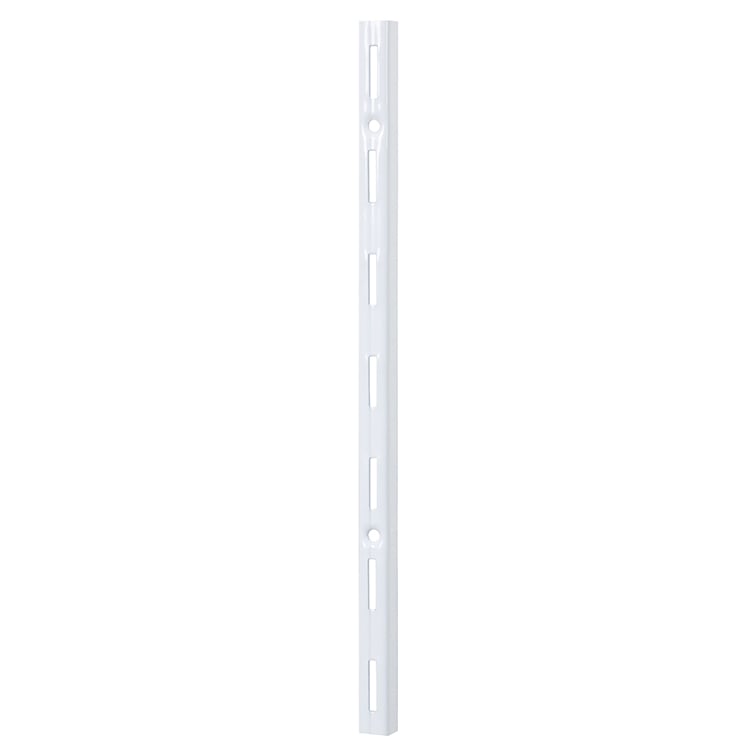
The process of sourcing wall mounted storage systems involves evaluating multiple factors that impact your operational efficiency and profitability. From identifying qualified suppliers to negotiating terms and ensuring product compliance, each step shapes your ability to deliver value to your customers. This guide walks through the essential considerations that distributors and retailers should evaluate when sourcing wall mounted storage systems, helping you establish a procurement strategy that aligns with your market positioning and growth objectives.
Understanding Your Wall Mounted Storage Systems Requirements
Defining Product Specifications and Market Fit
Before engaging suppliers, establish clear specifications for the wall mounted storage systems you intend to source. Determine the load capacity, material composition, finish options, and dimensional range that align with your customer base and end-use applications. Different market segments demand different features; industrial facilities require heavy-duty wall mounted storage systems with higher weight ratings, while retail and hospitality environments prioritize aesthetics and modular flexibility. Documenting these specifications prevents misalignment with suppliers and ensures that wall mounted storage systems you receive meet actual market demand rather than theoretical requirements.
Assessing Volume Requirements and Forecasting
Volume forecasting directly influences which suppliers are viable partners for your wall mounted storage systems procurement. Establish realistic volume projections based on historical sales data, market trends, and growth targets. Suppliers offering wall mounted storage systems come in different scales; some specialize in high-volume commodity production, while others focus on custom or lower-volume specialized systems. Mismatching your volume requirements with supplier capacity leads to either inflated unit costs or unfulfilled orders. Communicate your volume expectations transparently during supplier evaluation to ensure wall mounted storage systems pricing and delivery schedules are realistic and sustainable.
Evaluating and Selecting Qualified Suppliers
Vetting Supplier Credentials and Capabilities
When sourcing wall mounted storage systems, supplier vetting is non-negotiable. Verify that potential suppliers maintain relevant certifications such as ISO 9001 quality management, material testing certifications, and product safety compliance standards. Request samples of wall mounted storage systems and conduct quality inspections that test load capacity, finish durability, and material integrity. Review the supplier's production capacity, lead time consistency, and geographic location to assess supply chain resilience. A supplier offering wall mounted storage systems at an attractive price means little if they cannot maintain consistent delivery schedules or quality standards. Request references from other distributors or retailers who have sourced wall mounted storage systems from the same supplier to validate their reliability.
Comparing Pricing and Cost Structures
Pricing for wall mounted storage systems varies significantly based on material quality, production complexity, order volume, and supplier positioning. Request detailed quotes that break down the cost of wall mounted storage systems by component, finish, and assembly labor. Compare not only unit prices but also minimum order quantities, payment terms, and freight costs, which collectively determine your true cost of goods sold. Some suppliers offering wall mounted storage systems may provide volume discounts or longer payment terms that improve your cash flow. Evaluate whether wall mounted storage systems from premium suppliers justify their higher price through superior durability and reduced customer returns. Use competitive bidding to establish market rates for wall mounted storage systems, but avoid selecting suppliers solely on price, as quality shortcuts often emerge later.
Managing Procurement and Supply Chain Logistics
Structuring Purchase Agreements and Terms
Establish written purchase agreements that clarify expectations for wall mounted storage systems delivery, quality standards, and dispute resolution. Define lead times, inspection procedures, and acceptance criteria for wall mounted storage systems upon arrival. Specify payment terms, minimum order quantities, and price escalation clauses that protect both parties during market volatility. Include provisions for defective wall mounted storage systems, including return procedures and replacement timelines. A well-structured agreement for wall mounted storage systems procurement reduces misunderstandings and provides recourse if supplier performance deteriorates. Negotiate exclusivity clauses if you're sourcing wall mounted storage systems as a key differentiator in your market, or ensure non-exclusive arrangements if you prefer supplier flexibility.
Optimizing Inventory and Logistics Coordination
Effective inventory management of wall mounted storage systems balances availability with working capital efficiency. Determine optimal stock levels based on demand variability and supplier lead times; if wall mounted storage systems require six-week lead times, inventory buffers must be larger than for items with two-week delivery. Coordinate with suppliers to synchronize wall mounted storage systems shipments with your fulfillment schedule, reducing warehousing costs and obsolescence risk. Implement first-in-first-out rotation to prevent wall mounted storage systems from aging in inventory. Track inventory metrics such as turnover rates and carrying costs to identify whether your sourcing strategy for wall mounted storage systems is operationally efficient. Collaborate with suppliers to explore Just-In-Time delivery for wall mounted storage systems if your demand patterns are predictable, further reducing inventory investment.
Ensuring Quality, Compliance, and Customer Success
Implementing Quality Assurance and Testing Protocols
Establish incoming inspection procedures for wall mounted storage systems to catch defects before they reach customers. Test load capacity, verify finish consistency, and inspect for manufacturing flaws or damage during transit. Partner with suppliers to conduct root-cause analysis when wall mounted storage systems fail quality checks, addressing systemic issues rather than isolated incidents. Document quality metrics for wall mounted storage systems from each supplier to identify trends and performance gaps. Certify that wall mounted storage systems meet relevant safety standards and industry certifications required by your customers or regulatory bodies. By maintaining rigorous quality control, you build customer confidence and reduce costly returns or warranty claims related to wall mounted storage systems.
Building Long-Term Supplier Relationships
Sourcing wall mounted storage systems is not a one-time transaction but an ongoing relationship that evolves as your business grows. Share sales forecasts and market feedback with suppliers to help them anticipate demand for wall mounted storage systems and adjust production capacity accordingly. Recognize suppliers who consistently deliver quality wall mounted storage systems on schedule, creating incentives for continued excellence. Engage suppliers in product development discussions; their manufacturing expertise often surfaces cost reduction opportunities or innovative features for wall mounted storage systems. A collaborative approach to sourcing wall mounted storage systems strengthens supply chain resilience and often leads to better pricing, priority allocation during supply constraints, and preferential access to new wall mounted storage systems innovations.
FAQ
What are the typical minimum order quantities when sourcing wall mounted storage systems?
Minimum order quantities for wall mounted storage systems typically range from 50 to 500 units depending on supplier size and product complexity. Larger, established manufacturers may accept lower minimums for standard wall mounted storage systems, while custom or specialty configurations require higher minimums. Negotiate minimums based on your volume capacity; as you scale, you often gain leverage to reduce wall mounted storage systems minimum order quantities with existing suppliers, improving your purchasing flexibility.
How long does it typically take to source and receive wall mounted storage systems?
Lead times for wall mounted storage systems generally span 4 to 12 weeks from order confirmation to delivery, depending on production complexity and supplier location. Standard wall mounted storage systems designs ship faster, while customized wall mounted storage systems involving unique finishes or configurations require extended lead times. Factor these lead times into your procurement planning to ensure wall mounted storage systems inventory aligns with customer demand cycles and avoid stockouts.
What quality standards should wall mounted storage systems meet?
Wall mounted storage systems should comply with relevant safety standards such as ANSI, EN, or ISO certifications depending on your market region and application. Load-bearing capacity must be certified through testing, and material composition should meet environmental and safety regulations. Request documentation proving that wall mounted storage systems have undergone third-party testing and that suppliers maintain quality management certifications. Verify that wall mounted storage systems meet your industry-specific requirements, such as corrosion resistance for humid environments or flame retardant finishes for sensitive applications.