 EN
EN

Modern homes often present unique architectural challenges, with narrow entryways becoming increasingly common in contemporary design.
These compact spaces require thoughtful furniture solutions that maximize functionality without compromising style. A floating console represents the perfect marriage of form and function, offering storage and display capabilities while maintaining an open, airy feel that prevents cramped spaces from feeling even more restrictive. These innovative pieces transform challenging layouts into opportunities for creative design expression.
The evolution of interior design has embraced space-saving solutions that prioritize both aesthetics and practicality.
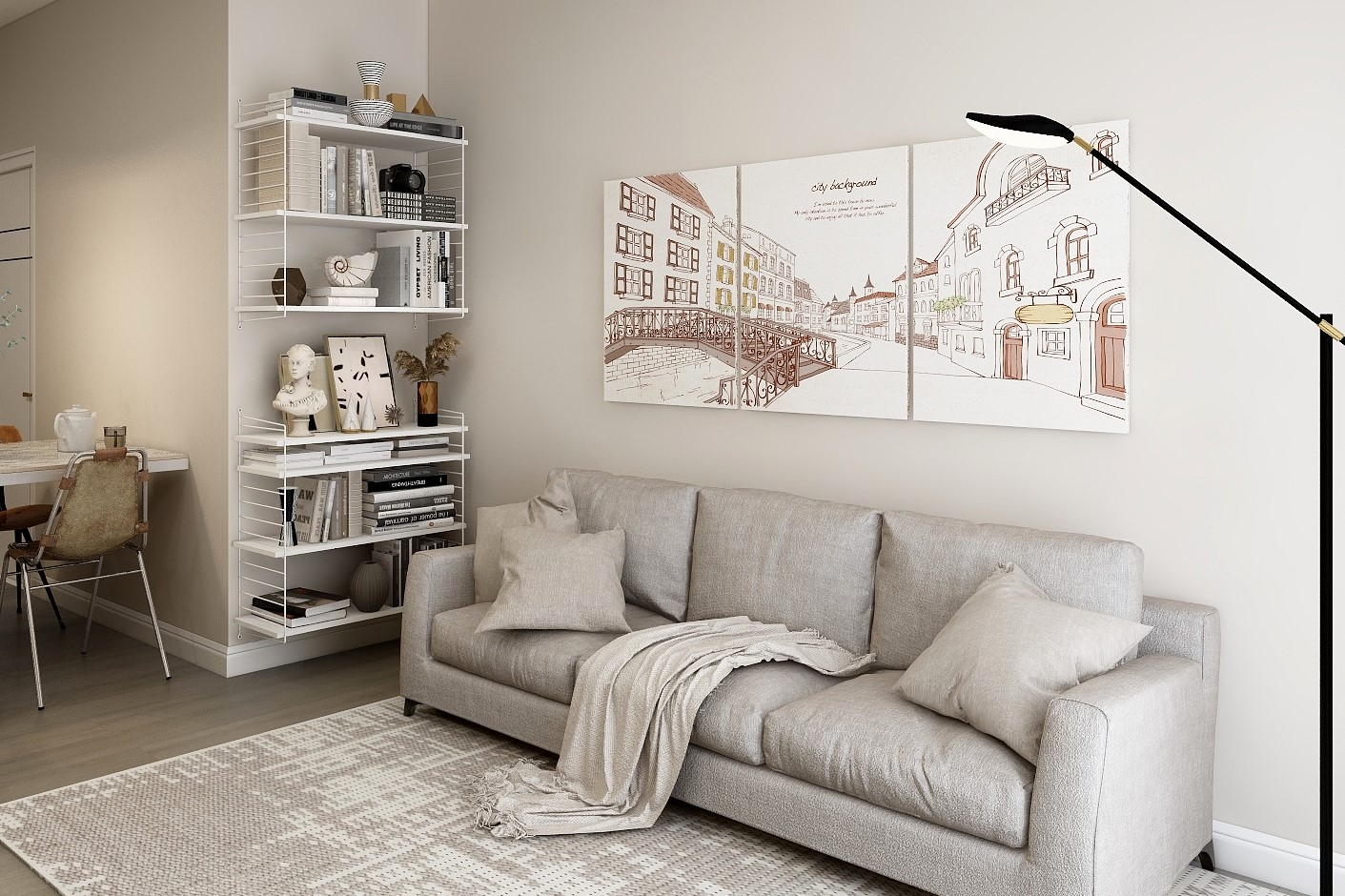
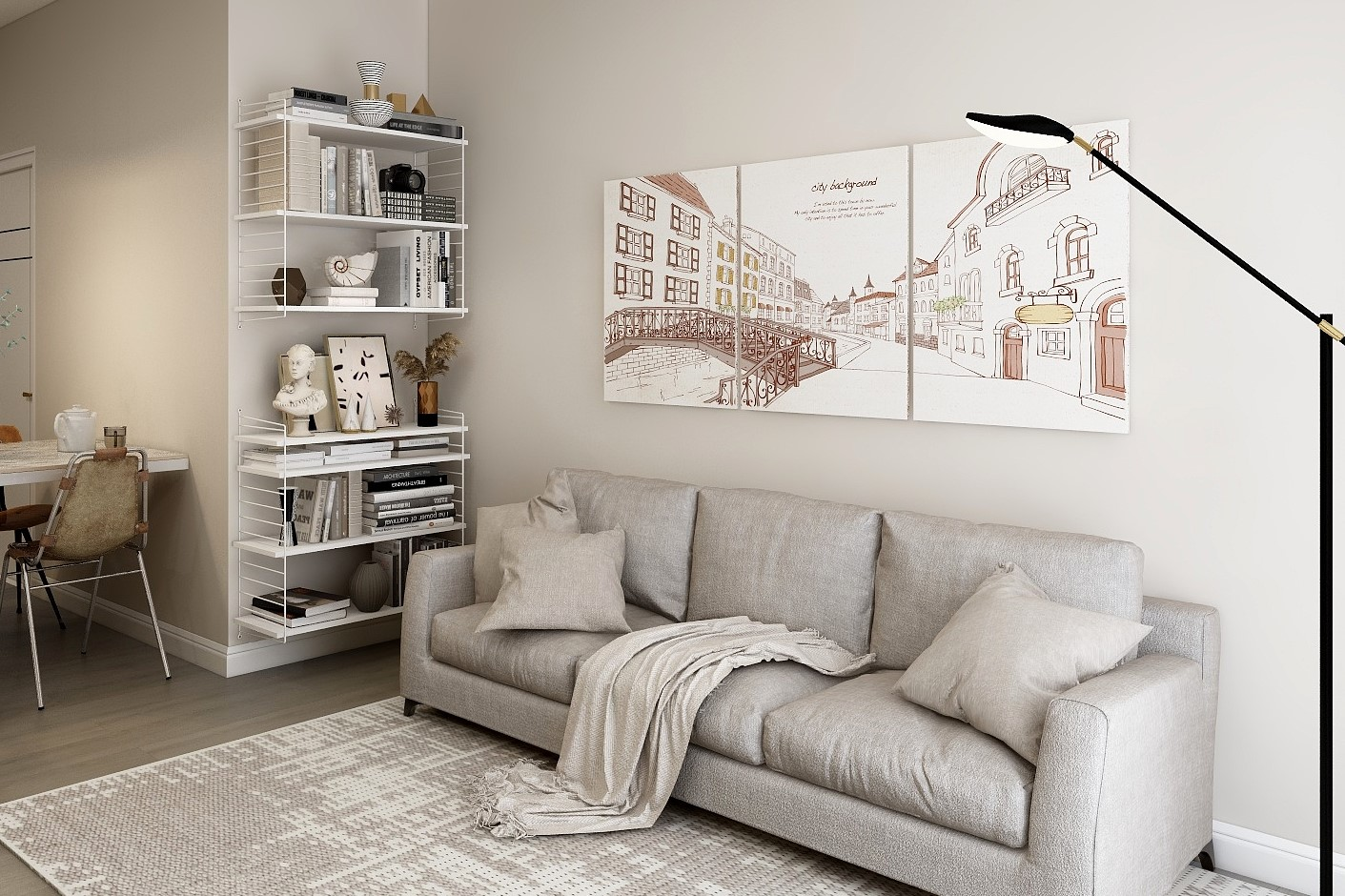
Wall-mounted furniture pieces have gained tremendous popularity among homeowners and interior designers who understand the value of vertical space utilization. When traditional console tables prove too bulky for narrow corridors or compact entryways, a floating console emerges as the ideal alternative, providing essential functionality while creating visual breathing room that makes spaces appear larger than their actual dimensions. The innovative design of the BOMEDA Wire Ladder Shelf Kit takes this concept further, offering a modular, wall-mounted system that provides storage without the visual weight of a solid piece.
Contemporary living demands intelligent storage solutions that adapt to diverse spatial constraints.
The floating console concept addresses these needs by eliminating floor contact, thereby reducing visual weight and allowing unobstructed sightlines throughout the space. This approach proves particularly valuable in high-traffic areas where movement flow remains paramount to daily functionality and overall comfort.
Design Advantages of Wall-Mounted Console Solutions
Space Optimization Through Vertical Integration
Wall-mounted console designs revolutionize space utilization by leveraging vertical surfaces that traditionally remain underutilized. These installations free valuable floor space for movement and other essential functions while providing dedicated areas for keys, mail, decorative objects, and daily necessities. The elevated positioning creates an illusion of expanded floor area, making narrow entryways feel more spacious and welcoming to residents and guests alike.
Professional interior designers frequently recommend floating console installations for clients dealing with space constraints because these pieces offer maximum utility with minimal spatial footprint. The BOMEDA Wire Ladder Shelf Kit, with its minimal wire frame, exemplifies this principle. Its open construction allows light to pass through and eliminates visual barriers that might otherwise fragment already limited space, creating cleaner sightlines that enhance the overall sense of openness and flow.
Aesthetic Flexibility and Custom Integration
Modern floating console designs embrace customization possibilities that allow seamless integration with existing architectural elements and design schemes. These pieces can be positioned at optimal heights to complement surrounding features, from artwork placement to lighting fixtures, creating cohesive visual narratives that enhance overall interior harmony. The ability to select materials, finishes, and dimensions ensures perfect alignment with personal style preferences and functional requirements.
The mounting system flexibility enables creative positioning that transforms challenging wall spaces into functional focal points. Whether installed in narrow hallways, compact entryways, or transitional areas between rooms, a floating console can be strategically placed to maximize both utility and visual impact while respecting architectural proportions and existing design elements. The modularity of a system like the BOMEDA Wire Ladder Shelf allows you to configure shelves and hooks to suit your specific needs in that unique space.
Technical Installation and Mounting Considerations
Structural Requirements and Wall Assessment
Successful floating console installation begins with thorough wall structure evaluation to ensure adequate support for the intended load capacity. Different wall types require specific mounting approaches, from solid masonry installations that offer maximum stability to hollow wall applications that demand specialized hardware and reinforcement techniques. Professional assessment helps determine optimal mounting positions that balance functional requirements with structural integrity.
Load distribution calculations play crucial roles in determining appropriate mounting hardware and bracket systems. A quality floating console system incorporates robust mounting mechanisms designed to handle daily use while maintaining long-term stability and safety. Understanding weight limits and proper installation procedures prevents potential damage to both the furniture piece and the wall structure.
Height Positioning and Ergonomic Considerations
Optimal mounting height for floating console installations depends on intended use patterns and user demographics within the household. Standard positioning typically ranges from 30 to 36 inches from floor level, allowing comfortable access for most adults while maintaining appropriate proportions relative to surrounding architectural elements. Custom height adjustments accommodate specific needs, from accessibility requirements to design preferences that complement existing furniture pieces.
Ergonomic planning extends beyond basic height considerations to include reach distances, viewing angles, and interaction patterns that influence daily usability. The floating console positioning should facilitate natural movement patterns while providing intuitive access to stored items and display surfaces. Careful planning during the design phase prevents future usability issues and ensures long-term satisfaction with the installation.
Material Selection and Durability Factors
Contemporary Material Technologies
Modern floating console construction utilizes advanced materials that combine lightweight properties with exceptional strength and durability. Engineered wood products, metal alloys, and composite materials offer superior performance characteristics compared to traditional solid wood options, particularly in wall-mounted applications where weight reduction becomes critical for safe installation and long-term stability.
Material selection significantly impacts both aesthetic outcomes and functional performance over extended use periods. The BOMEDA Wire Ladder Shelf Kit is constructed from durable metal with a robust powder-coated finish, offering strength in a lightweight form. High-quality finishes resist wear, moisture, and daily handling while maintaining visual appeal that complements evolving interior design trends. Investment in premium materials ensures that the floating console remains an attractive and functional element for years to come.
Finish Options and Maintenance Requirements
Surface treatment technologies have expanded finish possibilities for floating console applications, from natural wood stains that highlight grain patterns to powder-coated metal finishes that offer exceptional durability and color retention. These advanced finishing systems resist common household challenges including humidity fluctuations, temperature variations, and regular cleaning processes that affect furniture longevity.
Maintenance considerations vary significantly between different material and finish combinations, with some options requiring minimal care while others benefit from regular attention to preserve optimal appearance and functionality. Understanding maintenance requirements during the selection phase helps ensure realistic expectations and appropriate care routines that protect the investment over time. The easy-to-clean surface of a powder-coated metal unit simplifies upkeep.
Integration Strategies for Different Interior Styles
Modern and Contemporary Design Applications
Contemporary interior design schemes naturally accommodate floating console installations through their emphasis on clean lines, minimal visual clutter, and efficient space utilization. These design philosophies align perfectly with wall-mounted furniture concepts that prioritize function while maintaining aesthetic simplicity. The floating console becomes an integral design element rather than an afterthought, contributing to overall spatial harmony and visual coherence.
Material selections for modern applications often emphasize industrial elements such as steel, aluminum, or engineered composites that complement contemporary architectural features. The clean, industrial-chic aesthetic of a wire frame shelf fits seamlessly into modern, minimalist, loft, or Scandinavian interiors. These choices create cohesive design narratives that span from structural elements to furniture pieces, establishing unified aesthetic languages that enhance the overall interior experience.
Traditional and Transitional Style Adaptations
Traditional interior design schemes can successfully incorporate floating console elements through careful material and detail selection that respects classical design principles while embracing modern functionality. Wood species, hardware choices, and proportional relationships can be adjusted to complement existing traditional elements while providing contemporary convenience and space-saving benefits.
Transitional design approaches offer particular flexibility for floating console integration, allowing combinations of traditional craftsmanship details with modern mounting technologies and space-saving concepts. The versatility of a modular system allows it to be styled with traditional decorative objects, blending functionality with classic appeal. This hybrid approach enables homeowners to enjoy both classical aesthetic appeal and contemporary functional advantages within cohesive interior environments.
Practical Applications and Use Case Scenarios
Entryway Organization and Welcome Areas
Narrow entryways benefit tremendously from floating console installations that provide essential storage and display functions without compromising traffic flow or visual openness. These spaces require careful balance between functionality and movement, making wall-mounted solutions particularly valuable for daily organization needs including key storage, mail sorting, and personal item management during entry and exit routines.
The floating console serves as a natural focal point for entryway design, offering opportunities to display welcome elements such as plants, artwork, or seasonal decorations that create positive first impressions for guests while maintaining practical functionality for residents. A system with integrated hooks, like the BOMEDA kit, is perfect for instantly organizing coats, hats, and bags right at the door. This dual-purpose approach maximizes the value derived from limited square footage.
Hallway Functionality and Transition Spaces
Long, narrow hallways present unique opportunities for floating console placement that transforms underutilized corridor space into functional storage and display areas. These installations break up expansive wall surfaces while providing convenient stopping points for daily items and decorative elements that add personality to transitional spaces throughout the home.
Strategic hallway positioning enables multiple floating console installations that create rhythm and visual interest along extended corridors while providing distributed storage solutions that reduce clutter in primary living areas. This approach proves particularly valuable in homes with limited built-in storage options.
Cost Considerations and Investment Analysis
Initial Investment Versus Long-Term Value
Floating console investments encompass both immediate costs and long-term value propositions that extend beyond simple furniture purchases. Quality installations provide decades of reliable service while contributing to overall property value through improved functionality and aesthetic appeal. Initial cost considerations include materials, hardware, and professional installation services that ensure proper mounting and safety compliance.
Comparative analysis with traditional console table options reveals that floating console solutions often provide superior value through space-saving benefits and design flexibility that adapts to changing needs over time. The ability to relocate or adjust mounting positions provides adaptability that fixed furniture pieces cannot match.
Customization Costs and Design Services
Custom floating console designs command premium pricing but deliver personalized solutions that address specific spatial challenges and aesthetic preferences unavailable through standard product offerings. Design services help optimize functionality while ensuring seamless integration with existing interior elements, maximizing both practical and visual outcomes.
Professional design consultation often proves cost-effective by preventing installation mistakes and optimizing material selections that balance performance requirements with budget constraints. These services help navigate technical requirements while achieving desired aesthetic outcomes within established financial parameters.
Frequently Asked Questions
What weight capacity can I expect from a properly installed floating console?
Properly installed floating console systems typically support between 30 to 80 pounds, depending on mounting hardware quality, wall structure, and installation techniques. Solid wall installations generally offer higher weight capacities than hollow wall applications, while professional installation ensures optimal load distribution and long-term stability. Always consult manufacturer specifications and consider professional assessment for heavy-duty applications or valuable item storage.
How difficult is floating console installation for DIY homeowners?
Floating console installation complexity varies significantly based on wall type, bracket systems, and required precision for level mounting. Basic installations on solid walls with quality mounting hardware can be manageable for experienced DIY enthusiasts, while complex applications or hollow wall installations often benefit from professional service to ensure safety and proper function. Consider your skill level and available tools before committing to self-installation.
Can floating consoles work in rental properties or temporary living situations?
Many floating console systems offer removable mounting options that minimize wall damage, making them suitable for rental properties with landlord approval. Temporary mounting solutions and damage-minimizing hardware help preserve security deposits while providing functional benefits. The modular and potentially less invasive mounting of a system like the BOMEDA Wire Ladder Shelf can be an excellent solution for renters. Always verify lease agreements regarding wall modifications and consider consulting property management before installation to avoid potential conflicts.
What maintenance requirements should I expect with wall-mounted console furniture?
Floating console maintenance typically involves regular cleaning of surfaces and periodic inspection of mounting hardware to ensure continued stability and safety. Most quality installations require minimal ongoing attention beyond normal furniture care, while annual hardware checks help identify any loosening or wear that might affect performance. For a metal wire frame console, a simple dusting or wipe-down is usually sufficient. Specific maintenance requirements vary by material and finish selections, with manufacturer guidelines providing detailed care instructions.