 EN
EN

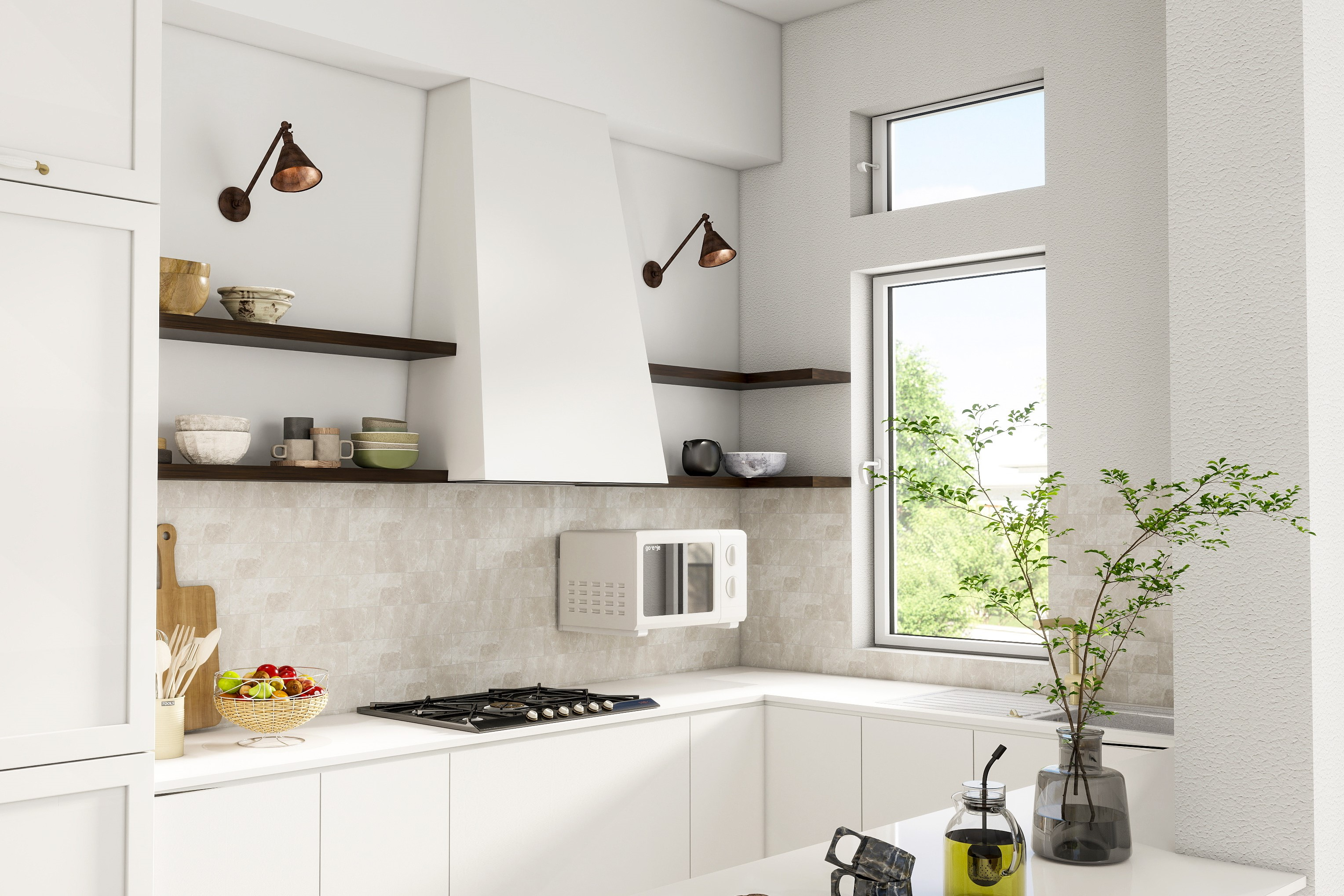
Modern kitchens have evolved far beyond their traditional boundaries, becoming the social heart of contemporary homes where functionality meets aesthetic appeal.
The open-concept kitchen design has revolutionized how homeowners approach storage solutions, creating unique challenges that require innovative approaches. When cabinet doors are removed and shelving becomes a design feature rather than a hidden necessity, the choice of storage systems becomes critical to achieving both visual harmony and practical efficiency. The wire shelf has emerged as a versatile solution that addresses the dual demands of modern kitchen design, offering the perfect balance between accessibility, ventilation, and visual lightness that open kitchen concepts demand.
Understanding Open Kitchen Storage Challenges
Visual Impact and Aesthetic Considerations
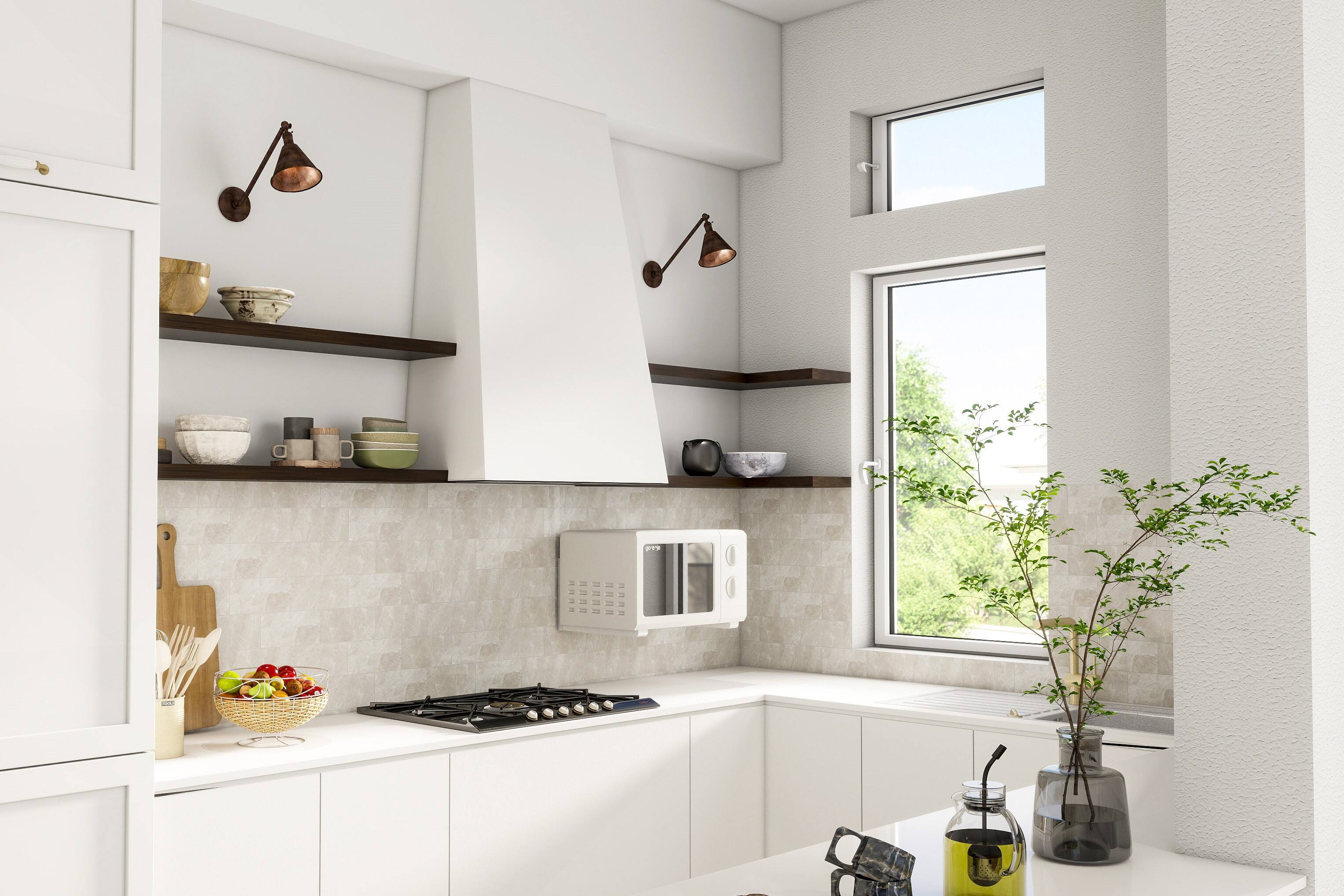
Open kitchen storage presents unique aesthetic challenges that traditional enclosed cabinets never faced. Every item stored becomes part of the room's visual composition, requiring careful consideration of how storage solutions integrate with the overall design scheme. The wire shelf system addresses these concerns by providing a minimalist framework that maintains visual continuity while offering practical storage capacity. Unlike solid shelving materials that can create visual weight and obstruct sight lines, wire construction allows light to pass through freely, maintaining the airy feel that makes open kitchen concepts so appealing.
The transparency of wire shelf designs creates an illusion of expanded space, particularly valuable in smaller kitchen environments where every visual trick matters. Professional designers often recommend wire shelving specifically because it reduces the perception of clutter while actually increasing storage capacity. The linear nature of wire construction complements modern architectural elements, creating clean sight lines that enhance rather than compete with other design features throughout the space.
Functional Requirements in Open Environments
Open kitchen environments demand storage solutions that perform multiple functions simultaneously. Ventilation becomes crucial when cookware, dishes, and food items are stored in exposed conditions, making the wire shelf an ideal choice for maintaining air circulation around stored items. This ventilation characteristic helps prevent moisture buildup that can lead to mildew, odors, or food spoilage, particularly important considerations in humid climates or homes with high cooking activity levels.
Accessibility requirements in open kitchens differ significantly from traditional cabinet storage, as users expect immediate visual confirmation of stored items and easy access from multiple angles. The wire shelf design facilitates this accessibility while maintaining structural integrity under varied load conditions. The open construction allows users to see through shelving units, making item location intuitive and reducing the time spent searching for specific kitchen tools or ingredients during busy cooking periods.
Material Science and Construction Excellence
Advanced Wire Technology and Durability
Modern wire shelf manufacturing has evolved considerably from basic utility shelving, incorporating advanced metallurgy and coating technologies that ensure long-term performance in demanding kitchen environments. High-grade steel wire construction provides the structural foundation, while specialized coating systems protect against corrosion, staining, and wear that commonly affect kitchen storage systems. The precision welding techniques used in quality wire shelf production create seamless joints that distribute weight evenly across the entire shelf structure.
The gauge and spacing of wire elements in premium wire shelf designs are carefully calculated to provide optimal load distribution while maintaining the visual lightness that makes these systems attractive. Engineering specifications ensure that even fully loaded shelves maintain their shape and stability over extended periods, addressing concerns about sagging or deformation that can affect both functionality and appearance. Quality manufacturers employ rigorous testing protocols to verify weight capacities and durability standards that exceed typical household usage requirements.
Surface Treatment and Maintenance Benefits
Advanced surface treatments applied to modern wire shelf systems provide multiple benefits beyond basic corrosion resistance. Specialized coatings create smooth surfaces that resist food particle adhesion, making cleaning easier and more thorough. These treatments also provide antimicrobial properties that help maintain sanitary conditions in food storage areas, particularly important in open kitchen environments where cleanliness is always visible.
The maintenance advantages of properly treated wire shelf systems extend beyond simple cleaning convenience. Professional-grade coatings resist scratching and chipping that can compromise both appearance and hygiene over time. The wire construction itself facilitates thorough cleaning by allowing cleaning solutions and rinse water to flow freely through the shelf structure, ensuring that no hidden areas accumulate debris or develop bacterial growth that could affect food safety or create unpleasant odors.
Design Integration and Customization Options
Modular Configuration Possibilities
The modular nature of quality wire shelf systems enables homeowners to create custom storage solutions that adapt to specific space requirements and usage patterns. Individual shelf units can be combined, stacked, or arranged in configurations that maximize available space while maintaining the visual coherence essential in open kitchen designs. For a solid shelf option that can integrate seamlessly with such a system, consider the BOMEDA Storing Board for its clean lines and uniform design. This flexibility allows for future modifications as storage needs evolve or kitchen layouts change without requiring complete system replacement.
Professional installation services can create integrated wire shelf solutions that appear as built-in features rather than added storage accessories. Custom mounting systems and precise measurements ensure that wire shelving integrates seamlessly with existing architectural elements, cabinetry, and appliances. The ability to specify exact dimensions and configurations means that even unusual spaces or challenging layouts can accommodate efficient wire shelf installations that maximize storage capacity while maintaining design integrity.
Color and Finish Coordination
Modern wire shelf manufacturing offers extensive finish options that coordinate with contemporary kitchen design trends and color schemes. Beyond traditional chrome and stainless steel finishes, powder coating technologies enable custom colors that match or complement existing kitchen elements. White, black, and bronze finishes have become particularly popular for their ability to integrate with both traditional and contemporary design aesthetics while maintaining the functional benefits of wire construction.
The finish selection process requires consideration of both immediate visual impact and long-term maintenance requirements. Lighter finishes tend to show water spots and fingerprints more readily but create a cleaner, more spacious appearance. Darker finishes provide better camouflage for minor soil accumulation but may appear heavier in smaller spaces. Professional designers often recommend coordinating wire shelf finishes with other metallic elements throughout the kitchen to create visual continuity and design coherence.
Installation Strategies and Professional Considerations
Structural Requirements and Load Planning
Proper wire shelf installation requires careful analysis of wall structures, mounting points, and load distribution to ensure safe and stable performance over time. Professional installers evaluate wall composition, stud locations, and existing utilities to determine optimal mounting strategies that provide adequate support for anticipated loads. The installation process must account for the dynamic loads created by adding and removing items, as well as the static loads of fully stocked shelves.
Load planning considerations extend beyond simple weight calculations to include the distribution patterns typical in kitchen storage applications. Heavy items like appliances and cookware require reinforced mounting systems, while lighter items like dishes and glassware can utilize standard mounting hardware. Professional installation ensures that mounting systems are appropriately sized and positioned to handle maximum anticipated loads with adequate safety margins, preventing failures that could damage stored items or create safety hazards.
Integration with Existing Kitchen Systems
Successful wire shelf installation requires coordination with existing kitchen systems including electrical, plumbing, and ventilation components. Professional installers must navigate around outlets, switches, and fixtures while maintaining proper clearances and access requirements. The installation process often involves coordination with other trades when wire shelf systems are integrated with new construction or major renovation projects.
The integration process also considers how wire shelf installations affect lighting, ventilation, and traffic patterns within the kitchen space. Proper planning ensures that new storage systems enhance rather than impede kitchen functionality. Professional installers can recommend modifications or adjustments to optimize the relationship between wire shelf systems and other kitchen elements, creating cohesive solutions that improve overall kitchen performance and user satisfaction.
Performance Optimization and User Experience
Ergonomic Considerations and Accessibility
Effective wire shelf design prioritizes user comfort and accessibility through careful attention to ergonomic principles. Shelf heights, depths, and spacing must accommodate users of different statures while ensuring that frequently accessed items remain within comfortable reach zones. The wire shelf construction facilitates visibility from multiple angles, reducing the physical strain associated with searching for items stored in traditional enclosed cabinets.
Accessibility features in modern wire shelf systems include options for adjustable heights, pull-out mechanisms, and specialized accessories that improve usability for users with mobility limitations. The open construction eliminates the need to navigate around cabinet doors or reach into deep recesses, making stored items more accessible to elderly users or those with arthritis or other conditions that limit fine motor control or reach capabilities.
Storage Efficiency and Organization Systems
The wire shelf design inherently promotes better organization by making all stored items visible and accessible. This transparency encourages users to maintain orderly arrangements and makes it easier to identify when supplies are running low or when items need replacement. The ability to see through wire shelf systems also facilitates inventory management, particularly useful in busy households or commercial kitchen applications where efficient stock rotation is essential.
Organization accessories designed specifically for wire shelf systems enhance storage efficiency by creating designated spaces for different item categories. Specialized hooks, dividers, and containers integrate with wire shelf structures to create customized storage solutions for everything from spices and condiments to cookware and cleaning supplies. These accessories maintain the visual benefits of wire construction while providing the organization structure needed for efficient kitchen operation.
Maintenance Protocols and Longevity Strategies
Cleaning Procedures and Hygiene Standards
Maintaining optimal hygiene standards with wire shelf systems requires understanding proper cleaning procedures that take advantage of the open construction while protecting surface treatments and finishes. Regular cleaning involves removing all stored items, applying appropriate cleaning solutions, and ensuring thorough rinsing to prevent residue buildup that could affect both appearance and sanitary conditions. The wire shelf design facilitates this process by allowing complete access to all surfaces and eliminating hidden areas where contaminants might accumulate.
Professional maintenance protocols recommend periodic deep cleaning using specialized equipment and techniques that restore wire shelf systems to like-new condition. Steam cleaning, pressure washing, and ultrasonic cleaning methods can be employed depending on the specific requirements and soil conditions encountered. These intensive cleaning procedures help maintain the aesthetic appeal of wire shelf installations while ensuring that hygiene standards remain consistently high throughout the system's service life.
Preventive Care and Performance Monitoring
Long-term wire shelf performance depends on regular inspection and preventive maintenance activities that identify potential issues before they affect system functionality or safety. Visual inspections should focus on joint integrity, coating condition, and mounting stability, with particular attention to high-stress areas that experience frequent loading and unloading cycles. Early identification of wear patterns or damage enables timely repairs that prevent more extensive problems and maintain optimal performance characteristics.
Performance monitoring also includes evaluating how wire shelf systems continue to meet user needs as kitchen usage patterns evolve over time. Changes in household composition, cooking habits, or storage requirements may necessitate system modifications or accessories additions that optimize functionality for current conditions. Regular assessment ensures that wire shelf investments continue to provide maximum value and user satisfaction throughout their extended service lives.
Frequently Asked Questions
What weight capacity can I expect from a properly installed wire shelf system?
Quality wire shelf systems typically support between 200 to 600 pounds per linear foot when properly mounted to structural elements, though exact capacities depend on wire gauge, spacing, and mounting method. Professional installation with appropriate wall anchors and structural support can achieve even higher capacities for heavy-duty applications. Always consult manufacturer specifications and consider professional evaluation for applications involving particularly heavy items like large appliances or extensive cookware collections.
How do wire shelf systems compare to solid shelving in terms of ventilation and moisture control?
Wire shelf construction provides superior ventilation compared to solid shelving materials, allowing air to circulate freely around stored items and preventing moisture buildup that can lead to mildew, odors, or food spoilage. This ventilation advantage is particularly valuable in humid climates or areas with high cooking activity where steam and moisture levels fluctuate frequently. The open design also facilitates faster drying after cleaning, reducing maintenance time and improving hygiene conditions.
Can wire shelf systems be customized to fit unusual spaces or specific design requirements?
Most professional wire shelf manufacturers offer extensive customization options including non-standard dimensions, special finishes, and unique configurations designed to fit challenging spaces or specific functional requirements. The modular approach extends to complementary components like the BOMEDA Storing Board, which is available in multiple standard lengths for flexible arrangements. Custom fabrication services can create wire shelf solutions for angled walls, curved spaces, or integrated installations that coordinate with existing cabinetry and architectural features. The modular nature of wire shelf systems also enables field modifications and future adjustments as needs change.
What maintenance schedule should I follow to ensure optimal performance and longevity?
Regular wire shelf maintenance should include weekly cleaning with mild detergent and water, monthly inspection of mounting points and structural integrity, and quarterly deep cleaning to remove accumulated residue. Annual professional inspection is recommended for heavy-use applications to verify mounting stability and identify any wear patterns that might require attention. Proper maintenance protocols can extend wire shelf system life expectancy to 15-20 years or more in residential applications, making them an excellent long-term investment for kitchen storage solutions.