 EN
EN

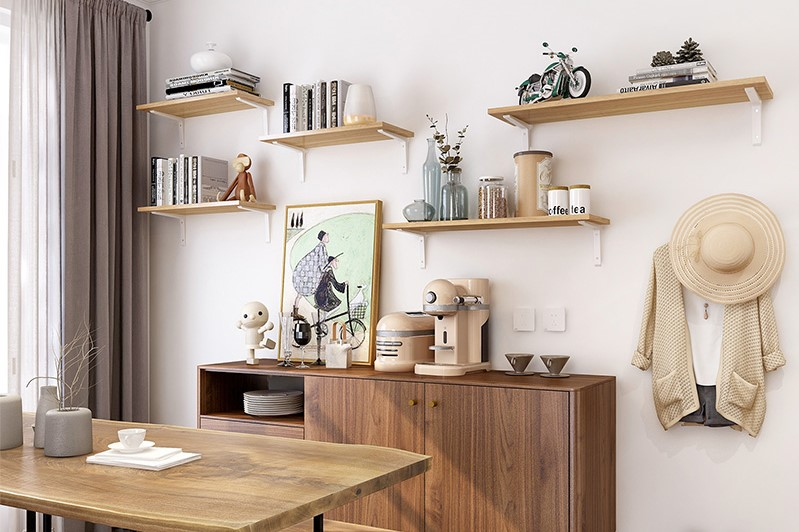
Wall shelves represent one of the most versatile and efficient solutions for modern interior design challenges. These functional elements serve dual purposes by providing essential storage while contributing to the overall aesthetic appeal of any room. Whether you're dealing with limited square footage in a small apartment or simply want to optimize your existing space, wall shelves offer endless possibilities for creative organization and visual enhancement.
The strategic implementation of wall shelves transforms underutilized vertical space into valuable storage and display areas. Unlike traditional furniture pieces that consume floor space, these mounted solutions draw the eye upward, creating an illusion of height and openness. This approach proves particularly beneficial in contemporary living environments where maximizing every square inch has become essential for comfortable daily living.
Modern wall shelves come in countless materials, styles, and configurations to complement any design scheme. From sleek steel constructions that emphasize industrial aesthetics to warm wooden options that enhance traditional or rustic interiors, the variety ensures seamless integration with existing decor. The key lies in understanding how different shelf styles can enhance specific room functions while maintaining visual harmony throughout the space.
Strategic Placement for Maximum Impact
Identifying Optimal Wall Areas
Successful wall shelf installation begins with careful assessment of available wall space and room traffic patterns. High-traffic areas benefit from shelves positioned above eye level to prevent interference with daily activities while maintaining easy access to frequently used items. Corner spaces often present ideal opportunities for shelf placement, as these areas typically remain underutilized in conventional room layouts.
Consider the relationship between natural light sources and potential shelf locations. Positioning shelves adjacent to windows allows displayed items to benefit from natural illumination, creating attractive visual focal points throughout the day. Additionally, walls opposite main seating areas provide excellent opportunities for creating gallery-style displays that serve as conversation starters and artistic elements.
Height and Spacing Considerations
Proper vertical spacing between multiple wall shelves ensures both functionality and visual appeal. Industry standards suggest maintaining 8-12 inches between shelves for books and decorative items, while larger objects may require 15-18 inches of clearance. This spacing prevents overcrowding while allowing each shelf to serve its intended purpose effectively.
The height of the lowest shelf should accommodate the room's primary users while considering the items that will be stored or displayed. Kitchen areas typically benefit from shelves positioned 18-24 inches above countertops, while living room installations can vary based on furniture arrangements and ceiling height. Remember that shelves positioned too high become purely decorative, while those placed too low may interfere with furniture placement.
Design Integration and Aesthetic Enhancement
Material Selection and Style Coordination
The choice of shelf materials significantly impacts both durability and visual appeal. Steel wall shelves offer exceptional strength and modern aesthetics, making them ideal for contemporary spaces that prioritize clean lines and industrial elements. These metal options resist warping and provide reliable support for heavier items while maintaining their appearance over time.
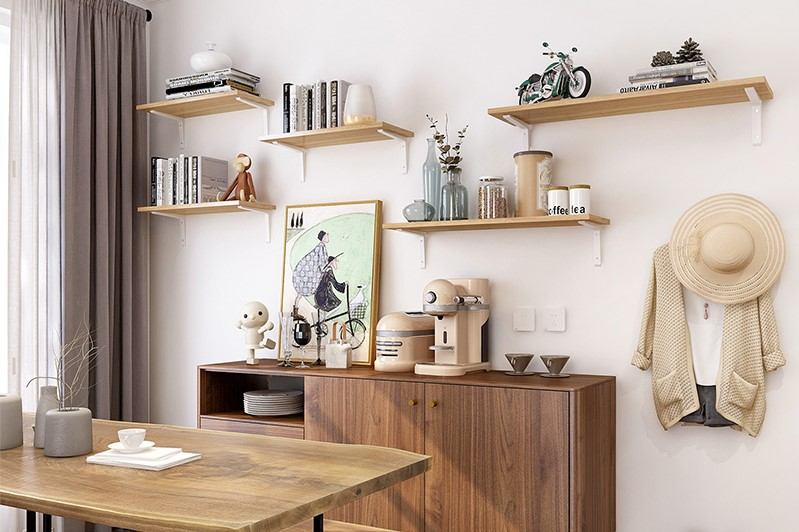
Wood remains a popular choice for those seeking warmth and natural beauty in their interior design. Different wood species and finishes allow for customization that complements existing furniture and architectural elements. Painted options provide flexibility for those who prefer to match specific color schemes or create bold contrast statements within their rooms.
Color Psychology and Visual Flow
The color of your wall shelves influences the overall room atmosphere and perceived space dimensions. Light-colored shelves tend to blend with walls, creating a seamless appearance that emphasizes displayed items rather than the shelving structure itself. This approach works particularly well in minimalist designs where the focus remains on functionality and clean aesthetics.
Contrasting shelf colors can serve as design elements that add visual interest and define specific areas within larger rooms. Dark shelves against light walls create dramatic statements, while colorful options can inject personality and playfulness into neutral spaces. The key is maintaining balance between the shelves themselves and the items they will hold.
Functional Applications Across Different Rooms
Living Room Organization and Display
Living rooms benefit tremendously from well-planned wall shelf installations that combine storage with decorative display opportunities. These spaces often require solutions for books, media equipment, collectibles, and everyday items that need accessible yet organized storage. Wall shelves eliminate the need for bulky entertainment centers while providing flexible arrangements that can evolve with changing needs.
Consider creating asymmetrical shelf arrangements that add visual interest while accommodating items of varying sizes. Mixing shelf lengths and positions creates dynamic wall compositions that serve as architectural features. This approach works particularly well in modern and contemporary design schemes that embrace creative spatial arrangements.
Kitchen and Dining Area Solutions
Kitchen environments present unique opportunities for wall shelf implementation, particularly in areas where cabinet installation proves impractical or insufficient. Open shelving displays dishware, glassware, and decorative items while keeping frequently used ingredients and cooking tools within easy reach. This approach creates an airy, spacious feeling that contrasts with traditional closed cabinet systems.
Dining areas can benefit from wall shelves that display serving pieces, seasonal decorations, or collectibles that reflect personal style. Position these installations at heights that prevent interference with dining activities while maintaining visual connection to the table area. Consider lighting integration to highlight displayed items during evening meals and entertaining.
Installation and Maintenance Best Practices
Proper Mounting Techniques
Successful wall shelf installation requires careful attention to wall construction and appropriate hardware selection. Drywall installations typically require anchor systems that distribute weight across larger areas, while solid wood or masonry walls may accommodate direct fastening methods. Always verify that mounting hardware exceeds the expected load requirements by at least 25% to ensure long-term safety and stability.
Use of electronic stud finders helps locate solid mounting points that provide maximum support for heavier items. When studs are not available in desired locations, toggle bolts or specialized hollow wall anchors provide reliable alternatives. Professional installation may be warranted for complex arrangements or in situations where structural integrity concerns exist.
Long-term Care and Maintenance
Regular maintenance ensures that wall shelves continue to function safely and maintain their aesthetic appeal over time. Monthly inspections should include checking mounting hardware for looseness, examining shelf surfaces for damage, and ensuring that weight distribution remains within design limits. Prompt attention to these details prevents minor issues from developing into safety hazards.
Cleaning requirements vary based on shelf materials and room environments. Steel shelves typically require only occasional dusting and periodic cleaning with appropriate metal cleaners. Wood options may benefit from conditioning treatments that preserve finish quality and prevent cracking or warping. Kitchen installations may require more frequent cleaning due to exposure to cooking residues and humidity.
Space Planning and Room Psychology
Creating Visual Depth and Dimension
Wall shelves contribute significantly to perceived room dimensions through their ability to create layers and visual depth. Staggered shelf arrangements draw attention across wall surfaces, making rooms appear wider and more dynamic. This technique proves particularly effective in narrow spaces where traditional furniture arrangements may feel cramped or restrictive.
The strategic use of varying shelf depths adds another dimension to wall compositions. Shallow shelves work well for lightweight decorative items, while deeper options accommodate books, electronics, and functional storage needs. This variation creates shadow lines and visual interest that enhance the overall architectural character of the space.
Psychological Impact of Organized Spaces
Well-organized wall shelf systems contribute to positive psychological effects by reducing visual clutter and creating sense of order. When items have designated places that are both accessible and attractive, daily routines become more efficient and less stressful. This organization extends beyond mere functionality to influence overall quality of life and personal satisfaction with living spaces.
The ability to display personal collections, books, and meaningful objects in organized, attractive arrangements allows for self-expression while maintaining clean, uncluttered environments. This balance between personality and organization creates spaces that feel both lived-in and sophisticated, supporting both relaxation and productivity as needed.
FAQ
What weight capacity should I consider when selecting wall shelves
Most residential wall shelves support between 15-50 pounds per linear foot, depending on construction materials and mounting methods. Steel shelves typically offer higher weight capacities than wood options, while proper installation into wall studs significantly increases load-bearing capabilities. Always verify manufacturer specifications and consider future storage needs when making selections.
How do I determine the ideal spacing between multiple shelves
Optimal shelf spacing depends on intended use and room proportions. Books typically require 10-12 inches between shelves, while decorative items may need 12-15 inches for proper visual impact. Consider the height of items you plan to store, allowing 2-3 inches of clearance above the tallest pieces for easy access and cleaning.
Can wall shelves work effectively in small apartments
Wall shelves excel in small apartment environments by utilizing vertical space that would otherwise remain unused. They eliminate the need for floor-standing furniture while providing essential storage and display opportunities. Focus on multi-functional arrangements that combine open display with concealed storage solutions for maximum efficiency.
What maintenance is required to keep wall shelves looking their best
Regular dusting and periodic deep cleaning maintain shelf appearance and functionality. Check mounting hardware monthly for any loosening, and redistribute weight if shelves show signs of sagging. Different materials require specific care approaches, with steel shelves needing occasional metal cleaner application and wood shelves benefiting from periodic conditioning treatments.